




Hybrid Hino Cabover Gets 14 MPG for Plumbing Fleet
Known as San Diego’s first certified green plumber, Anderson Plumbing, Heating & Air has turned to a greener large truck option — the diesel-electric hybrid Hino COE (cab-over engine).
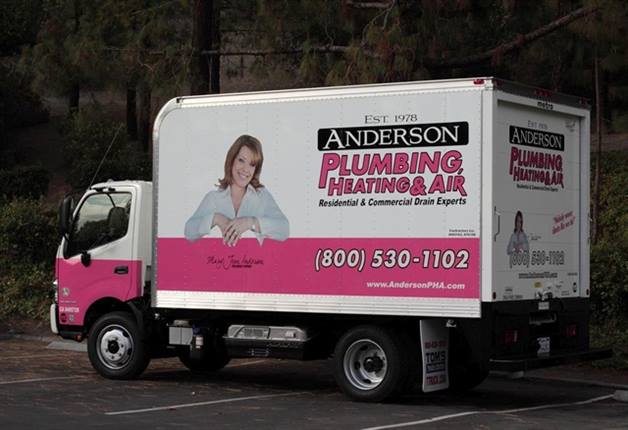
Photo via Work Truck Magazine.
For Mary Jean Anderson, it is important to maintain an environmentally friendly mentality in all aspects of her company, including fleet vehicles. Known as San Diego’s first certified green plumber, Anderson Plumbing, Heating & Air has turned to a greener large truck option — the diesel-electric hybrid Hino COE (cab-over engine).
“We have been waiting a long time for a viable option for a hybrid that is designed to accommodate all of the equipment we take out to the field every day,” says Anderson, who took over the family-owned business in 2004.
With 68 vehicles and growing, Anderson has been serving San Diego County since 1978. Specializing in plumbing installation and repairs for both residential and commercial, the company expanded to include heating and air conditioning services in 2006.
The type of vehicle depends on the type of service: plumbing services use Isuzu diesel NPR trucks, while air conditioning and heating technicians drive Chevrolet Express cargo vans.
“Our carbon footprint is an issue,” says Anderson. “We serve homeowners from North County to South Bay and from the beaches to East County, so it is really important to us to be as efficient and responsible as possible from an environmental standpoint.”
Currently, the Isuzu NPR trucks make up two-thirds of the fleet. Anderson has one Class 5 Hino 195h diesel-electric hybrid, with two more on the way.
With less than a year under its belt, the Hino has already reduced fuel costs for the company. According to Anderson, the company averages a remarkable 14 miles per gallon with the hybrid Hino versus 8 miles per gallon with the Isuzu trucks. Carrying a heavy payload to four appointments daily means fuel expenses can add up quickly for the plumbing service trucks.
“Each of our service vehicles is a plumbing parts warehouse on wheels,” says Anderson. “We carry two water heaters, six different faucets, sinks and a variety of plumbing repair parts — all of which weigh at least a ton.”
Because the hybrid Hinos cost about $58,000 apiece, the company plans to switch out the Isuzus as they reach retirement age.
In addition, the company has also changed the vehicles for its sales team. Opting for a vehicle with better fuel economy, Anderson recently replaced the company’s Ford Ranger trucks with Ford Transit Connect vans with V-6 Ecoboost engines.
Each plumbing service truck contains a 12.5-foot aluminum box on an Isuzu body with a rollup door and step-in where the water heaters and various repair parts are stored. The boxes can be transferred from the Isuzus to the new Hinos, says Anderson.
Hackney Service Vehicles installs the box and shelving on Anderson’s trucks. Hackney completes the upfits on the Isuzus and Hinos at its manufacturing facility in Kansas.
More Green Fleet

Merchants Fleet Reports 290M EV Miles as Fleets Navigate Changing Electrification Market
From millions in operating savings to hundreds of millions of EV miles, Merchants Fleet’s latest report reveals what’s working and what’s changing in fleet electrification.
Read More →
The EV Breakdown Nobody's Talking About: Why Most Electric Vehicle Roadside Calls Aren't Mechanical Failures
Here's why EV breakdowns are widely misunderstood.
Read More →
ChargePoint Now Available in Energy Pass
ChargePoint and additional planned charging network integrations were added to GM's Energy Pass.
Read More →
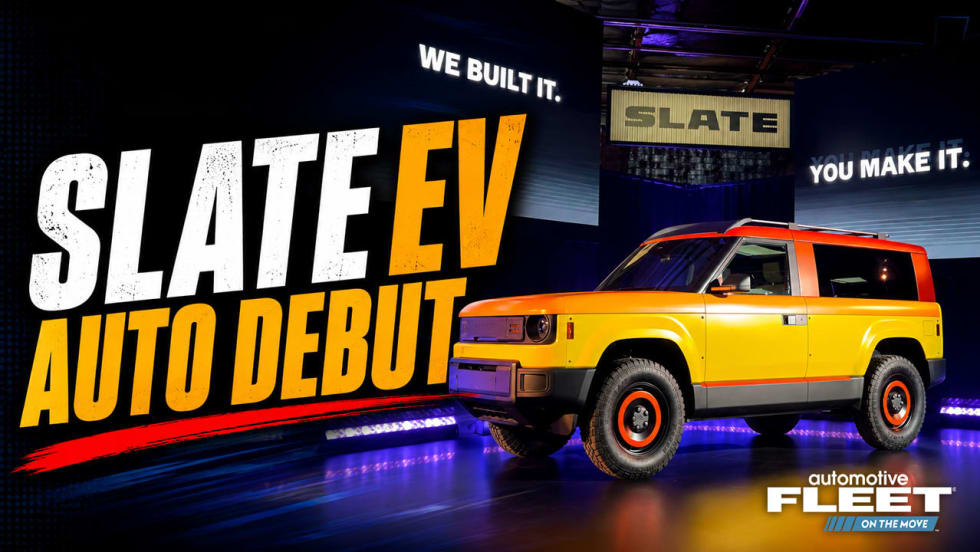
First Look: Slate Auto's Electric Fleet Pickup
Could an affordable, modular EV pickup make electrification more practical for fleets?
Read More →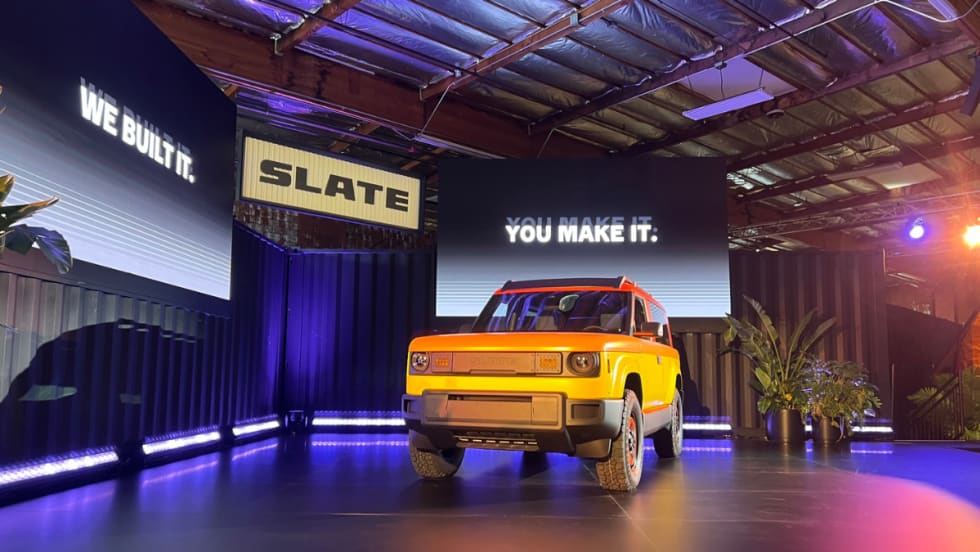
Slate Debuts Colorful, Unique EV Models
A recent media and client event, studded with electric vehicles dressed up on platforms, planted a new position for the manufacturer in the wider EV market. Fleets will find cost-saving advantages.
Read More →
Slate Electric SUV, Pickup Switchable Model Aims For Light-Duty Fleets
Everything about this EV is counterintuitive and understated, making it stand out from the crowd.
Read More →
Inspiration Mobility Acquires Key Electrada Assets
Inspiration Mobility Group has acquired select assets of Electrada, adding the fleet electrification provider's team, technology, and charging infrastructure development capabilities to its energy management business.
Read More →
Turning Connected Vehicle Data Into Decisions That Matter
Fleet leaders have more data than ever, but turning that data into clear, actionable decisions remains a challenge. This white paper shows how leading organizations are using connected vehicle data to improve safety, reduce costs, and optimize fleet performance. Learn how to turn insight into action across your fleet.
Read More →
Are You Tracking Your Fleet's True Total Cost of Ownership?
Bobit Business Media surveyed 190 fleet professionals and found that while most fleets are tracking costs, fragmented systems and data gaps are keeping true TCO visibility out of reach. With rising pressure to control spend in an increasingly volatile environment, the gap between what fleets think they know and what the data actually shows is wider than you might expect. See how your peers are managing costs today and where the industry still has room to improve.
Read More →