




How Mercedes’ BlueTec Works, and the 2009 Clean-Diesel SUVs to Come
MONTVALE, N.J. – There is a wave of diesel-powered vehicles coming to America despite the price premium on diesel fuel, and Mercedes-Benz has been leading the movement with its 50-state-legal “clean diesels.”
MONTVALE, N.J. – There is a
wave of diesel-powered vehicles coming to
America despite the price premium
on diesel fuel, and Mercedes-Benz has been leading the movement with its
50-state-legal “clean diesels” featuring BlueTec technology that mark the
culmination of years of scientific research, powertrain engineering, and market
preparation, according to www.consumerreports.org. The resulting BlueTec
diesels burn cleaner than most gasoline engines and exhibit superior fuel
economy at the same time.
This
month, Mercedes announced that it would offer a clean-diesel option for three
of its 2009-model SUVs: the midsized ML- and R-Class, and the big GL-Class. All
will use the same 210-hp, 3.2L diesel V-6. Mercedes has estimated that the
GL320 BlueTec will record an average of 24 mpg, some 20 to 40 percent better
than a comparable gasoline engine. It should also be able to travel 600 miles
on a single tank of fuel.
Honda, Nissan, and Toyota are all developing clean-diesel technology, but the Mercedes BlueTec system is the first practical mass-market application available in the United States.
BlueTec is the proprietary name for a series of engine technologies, filters, and catalysts that result in low emissions and high fuel economy. It starts with a high-pressure common-rail turbo direct injection diesel engine. “Common rail” refers to the method for injecting precisely the right amount of fuel directly into each cylinder at exactly the right moment. The turbocharger boosts horsepower, and the system recirculates the exhaust gas that powers it in order to consume any unburned fuel.
When exhaust gas leaves the engine, a multi-phase treatment process begins. By their nature, diesels tend to produce high levels of carbon monoxide, oxides of nitrogen known collectively as NOx, and particulate matter, also known as soot. Oxidation catalysts minimize the carbon monoxide and further reduce unburned hydrocarbons. A maintenance-free particulate filter, or soot trap, then reduces soot to nearly undetectable levels.
Mercedes uses two strategies to deal with NOx, one for cars and one for SUVs. The E320 BlueTec sedan, attacks NOx with a storage catalyst and a second catalyst called SRC (Selective Catalytic Reduction). Periodically the engine runs rich for a little while, which cleanly purges the NOx storage catalyst. For heavier vehicles, such as SUVs, Mercedes has adopted a urea-injection system called AdBlue. That’s because the NOx trap technology used in cars would require too-frequent purging and thus reduce fuel economy.
The AdBlue system uses the SRC catalyst and a tank of liquid urea, which is misted into the exhaust stream. When the urea comes in contact with the hot exhaust gas, it releases ammonia, which in turn reacts with NOx and emerges as harmless nitrogen and water. The urea supply is said to be good for 10,000 miles, so it only needs to be refilled at the vehicle’s normal service intervals. The AdBlue system reduces NOx emissions by 80 percent, according to Mercedes.
The Mercedes-Benz BlueTec SUVs are slated to go on sale this fall as 2009 models.
More Green Fleet

EV Charging Use Is Outpacing Infrastructure Growth
ChargePoint’s 2026 Charging Forward Report points to rising charger use, higher-powered charging, commercial vehicle electrification, and energy-management technology. Here’s what fleets should know.
Read More →
Merchants Fleet Reports 290M EV Miles as Fleets Navigate Changing Electrification Market
From millions in operating savings to hundreds of millions of EV miles, Merchants Fleet’s latest report reveals what’s working and what’s changing in fleet electrification.
Read More →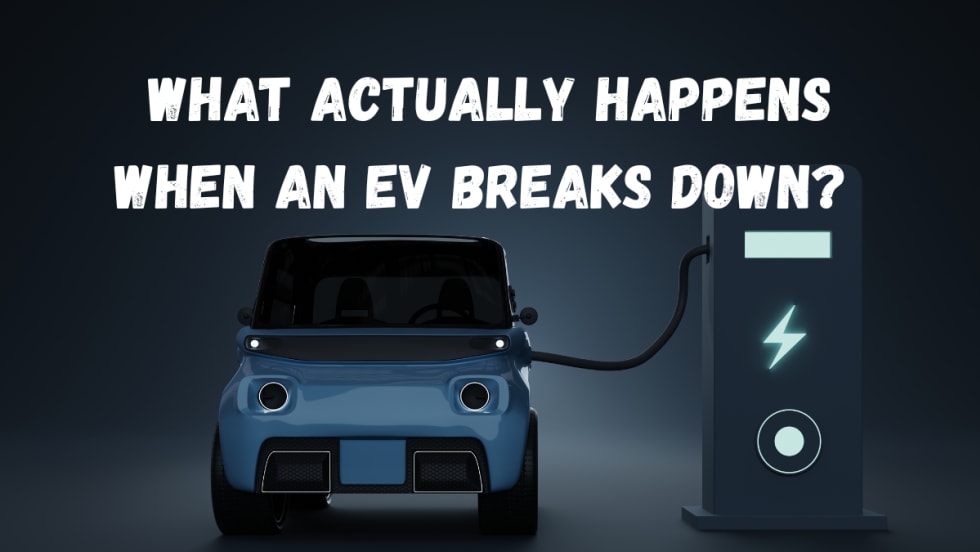
The EV Breakdown Nobody's Talking About: Why Most Electric Vehicle Roadside Calls Aren't Mechanical Failures
Here's why EV breakdowns are widely misunderstood.
Read More →
ChargePoint Now Available in Energy Pass
ChargePoint and additional planned charging network integrations were added to GM's Energy Pass.
Read More →
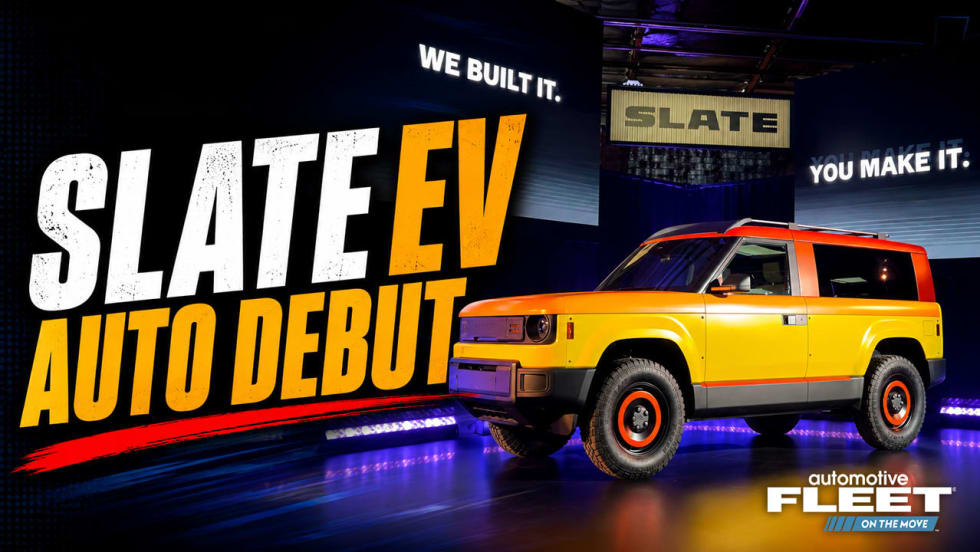
First Look: Slate Auto's Electric Fleet Pickup
Could an affordable, modular EV pickup make electrification more practical for fleets?
Read More →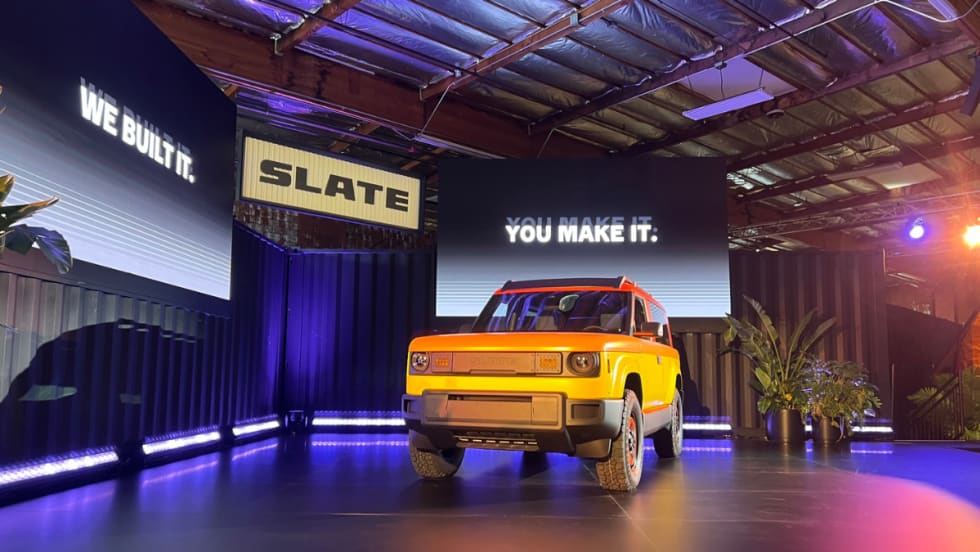
Slate Debuts Colorful, Unique EV Models
A recent media and client event, studded with electric vehicles dressed up on platforms, planted a new position for the manufacturer in the wider EV market. Fleets will find cost-saving advantages.
Read More →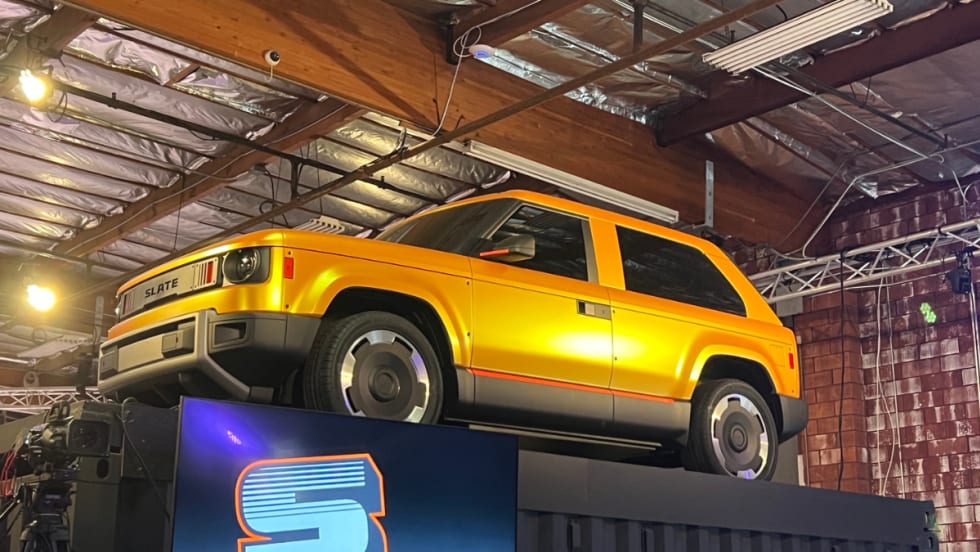
Slate Electric SUV, Pickup Switchable Model Aims For Light-Duty Fleets
Everything about this EV is counterintuitive and understated, making it stand out from the crowd.
Read More →
Inspiration Mobility Acquires Key Electrada Assets
Inspiration Mobility Group has acquired select assets of Electrada, adding the fleet electrification provider's team, technology, and charging infrastructure development capabilities to its energy management business.
Read More →
Turning Connected Vehicle Data Into Decisions That Matter
Fleet leaders have more data than ever, but turning that data into clear, actionable decisions remains a challenge. This white paper shows how leading organizations are using connected vehicle data to improve safety, reduce costs, and optimize fleet performance. Learn how to turn insight into action across your fleet.
Read More →