





Related: Short-Term Highway Patch, Trucking Issues on The Hill
House Passes Five-Month Highway Bill Patch
House Republican leaders on July 15 pushed through an $8-billion plus measure to fund highway and infrastructure expenditures through December 18.
July 16, 2015
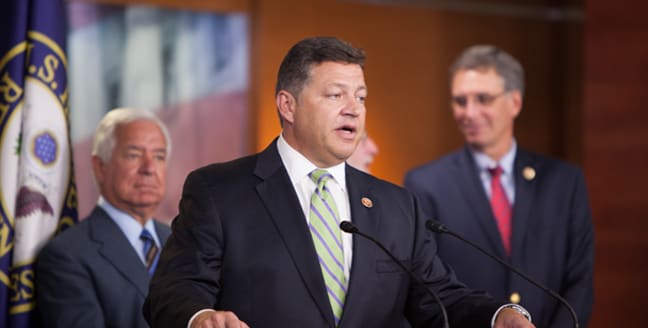
Rep. Bill Shuster (R-PA) contends five-month patch will provide time to legislate a "fiscally responsible' long-term highway bill.
2 min to read
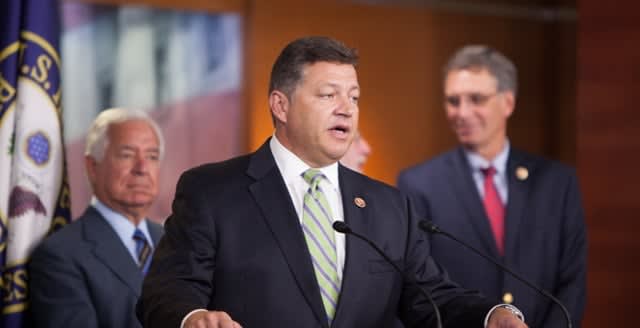
Rep. Bill Shuster (R-PA) contends five-month patch will provide time to legislate a "fiscally responsible' long-term highway bill.
The House has punted. Republican leaders on July 15 pushed through an $8-billion plus measure to fund highway and infrastructure expenditures through December 18 as Congress scrambles to come up with a long- or short-term solution before the extension of the MAP-21 infrastructure bill passed by Congress in May expires at the end of this month.
The Highway and Transportation Funding Act of 2015, Part II (H.R. 3038) was passed 312-119 despite Democrats objecting that Congress should be determining how to pay for a longer-term bill rather than kicking the can down the road yet again.
The bill does not include an increase in federal fuel taxes. Instead, per news reports, the funding would be obtained mainly by applying $3 billion of savings from Transportation Security Administration fees and $5 billion derived from tax-compliance measures.
However, Senate GOP leaders remain adamant that they will keep pushing for a longer-term surface transportation package. As reported by The Hill newspaper, Senate Republicans have said they want at minimum to ensure the Highway Trust Fund remains solvent beyond the 2016 election and want to see a multi-year bill passed.
Complicating matters for the highway bill of all things is a tussle over reauthorizing the Export-Import Bank, which is expected to be a provision in the Senate’s infrastructure-funding bill.
While the bank measure has significant support on Capitol Hill, it is adamantly opposed by some conservative lawmakers.
Their resistance may result in the Senate acting at the eleventh hour to present the House with a longer-term highway bill fitted with a rider that keeps going the Export-Import Bank.
In a statement, Rep. Bill Shuster (R-PA), Chairman of the House Transportation & Infrastructure Committee, contended that H.R. 3038 “gives Chairman Paul Ryan and the [House] Ways and Means Committee time to continue working on the progress they have made to fund a long-term transportation bill that is fiscally responsible.”
He added that the funding enabled by the House bill is “fully paid for and will not add to the nation’s debt.”
More Operations

How Fleets Can Recruit and Train Veterans for Technician Roles
Here's how the technician shortage has affected uptime for fleets, and what to do about it.
Read More →
Avis Budget Group Deploys Neology Toll Management Technology Across Major Brands
Neology’s neoFleet platform will manage toll transactions and toll-authority operations for vehicles across Avis, Budget, Payless, Budget Truck and Zipcar.
Read More →
Fleet Personal-Use Charges Edge Higher in 2026
Nearly eight in 10 surveyed fleets allow personal use of company vehicles, while just over half of respondents report charging employees for the privilege.
Read More →
The Future of Fleet + What’s Changing Right Now | AF News Recap
Could developments overseas offer a preview of what’s coming for U.S. fleets? This week, we’re looking at the future of AI, autonomy, and electrification, plus Ford Pro’s new certified pre-owned program, smarter vehicle offboarding, and a new way for fleets to manage toll expenses.
Read More →
How to Handle Vehicle Offboarding
What do fleet managers need to do when a driver leaves?
Read More →
Sponsored•October 1, 2026
Fleet Manager’s Ultimate Playbook: Navigating the New Standard in OEM Connectivity
Rising operating costs, driver safety concerns, and unplanned downtime are putting unprecedented pressure on modern fleets. Discover how fleet managers use embedded OEM connectivity and real-time vehicle data to cut TCO, prevent downtime, and protect drivers without aftermarket telematics hardware.
Read More →
U.S. Bank Adds Verra Mobility Toll Management to Voyager Fleet Platform
The integration allows U.S. Bank Voyager fleet customers to manage toll payments and violations alongside fuel, EV charging and maintenance expenses.
Read More →
ADAS Prevents Crashes. But Repairs Cost More | AF News Recap
ADAS-equipped vehicles may crash less often, but they can cost more when they do. This week, we’re breaking down what that tradeoff means for fleets, plus Subaru’s first Forester Wilderness Hybrid, Nissan’s new e-POWER Rogue, and why Calstart has become Catalyst Mobility.
Read More →
Moventum Fleet Management Names Mark Iorillo Head of Sales
Iorillo brings nearly 20 years of fleet management and sales experience to the role, including previous positions at Element Fleet Management, CEI, Donlen and Ryder.
Read More →
Fleet Has a Talent Pipeline Problem. What Comes Next? | AF News Recap
Where will fleet’s next generation of leaders come from? This week, we’re looking at the industry’s talent pipeline, what certification can add to a fleet career, how to build an award-worthy track record, and the return of Automotive Fleet’s Personal Use Survey.
Read More →