




House Passes 'Clean Energy' Bill
WASHINGTON, D.C. --- The Democratic-controlled House on June 26 narrowly passed a major energy bill that calls for the U.S. to reduce carbon dioxide and other greenhouse gas emissions 17 percent from 2005 levels by 2020 and about 80 percent by mid-century, Reuters reported.
WASHINGTON, D.C. --- The Democratic-controlled House on June 26 narrowly passed a major energy bill that calls for the U.S. to reduce carbon dioxide and other greenhouse gas emissions 17 percent from 2005 levels by 2020 and about 80 percent by mid-century, Reuters reported.
In general, Democrats hailed the legislation as a historic step in tackling the climate crisis, while Republicans predicted the bill would damage the economy without resolving the nation's energy problems. Eight Republicans joined 211 Democrats in voting for the bill; 44 Democrats joined 168 Republicans in voting against the bill.
The legislation, called the American Clean Energy and Security Act of 2009, now faces a tougher test in the Senate. However, Senate Majority Leader Harry Reid said he was "hopeful that the Senate will be able to debate and pass bipartisan and comprehensive clean energy and climate legislation this fall."
The House bill includes several concessions for the agriculture industry. They include Department of Agriculture oversight of carbon-reduction efforts by farmers, instead of EPA oversight. Also, obstacles to corn-based ethanol, previously proposed by the EPA, would be postponed by at least five years. Those obstacles were tied to EPA projections linking biofuels to indirect land use change.
Because of a compromise negotiated just days before the House vote, the U.S. EPA will be barred for five years from calculating indirect land use changes when calculating greenhouse gas emissions. This will allow further scientific study on whether there's a link between biofuels use in the U.S. and tropical deforestation.
"We commend the House of Representatives for passing legislation today that would fix a flawed provision of current law that threatens the future of biofuels production in the U.S. and continues our nation's reliance on foreign oil," Growth Energy CEO Tom Buis said following the vote. "The legislation prevents the Environmental Protection Agency from adopting rules to penalize domestic ethanol and biodiesel production for land use changes occurring in foreign countries." Growth Energy is a lobbying group for ethanol producers.
The House bill's other pollution-reduction goals include 42 percent by 2030 and 83 percent by 2050. About 85 percent of government-issued pollution permits would be given out to industries that are big energy users. About 15 percent would be sold. The free permits were designed to ease industry's financial burden and prevent big energy price hikes for consumers. But under the "cap and trade" program, fewer and fewer permits would be made available to companies over the next several decades.
Companies that pollute less than their limit could sell some of their permits to others struggling to comply with new requirements. Moreover, companies could offset up to 2 billion tons of their emissions each year by paying for "green" projects in the U.S. and abroad, such as efforts to preserve rain forests.
More Green Fleet

EV Charging Use Is Outpacing Infrastructure Growth
ChargePoint’s 2026 Charging Forward Report points to rising charger use, higher-powered charging, commercial vehicle electrification, and energy-management technology. Here’s what fleets should know.
Read More →
Merchants Fleet Reports 290M EV Miles as Fleets Navigate Changing Electrification Market
From millions in operating savings to hundreds of millions of EV miles, Merchants Fleet’s latest report reveals what’s working and what’s changing in fleet electrification.
Read More →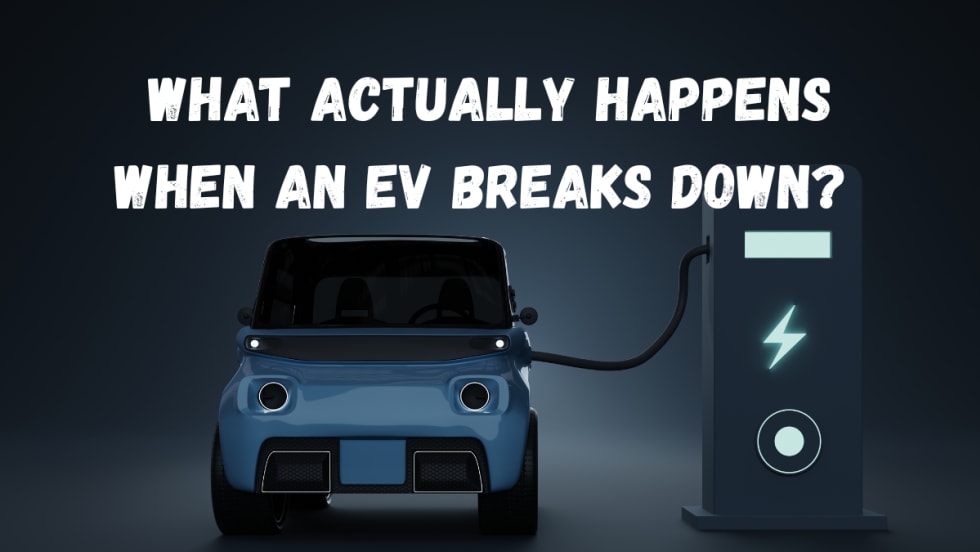
The EV Breakdown Nobody's Talking About: Why Most Electric Vehicle Roadside Calls Aren't Mechanical Failures
Here's why EV breakdowns are widely misunderstood.
Read More →
ChargePoint Now Available in Energy Pass
ChargePoint and additional planned charging network integrations were added to GM's Energy Pass.
Read More →

First Look: Slate Auto's Electric Fleet Pickup
Could an affordable, modular EV pickup make electrification more practical for fleets?
Read More →
Slate Debuts Colorful, Unique EV Models
A recent media and client event, studded with electric vehicles dressed up on platforms, planted a new position for the manufacturer in the wider EV market. Fleets will find cost-saving advantages.
Read More →
Slate Electric SUV, Pickup Switchable Model Aims For Light-Duty Fleets
Everything about this EV is counterintuitive and understated, making it stand out from the crowd.
Read More →
Inspiration Mobility Acquires Key Electrada Assets
Inspiration Mobility Group has acquired select assets of Electrada, adding the fleet electrification provider's team, technology, and charging infrastructure development capabilities to its energy management business.
Read More →
Turning Connected Vehicle Data Into Decisions That Matter
Fleet leaders have more data than ever, but turning that data into clear, actionable decisions remains a challenge. This white paper shows how leading organizations are using connected vehicle data to improve safety, reduce costs, and optimize fleet performance. Learn how to turn insight into action across your fleet.
Read More →