




HomeServe USA Upgrading Fleet to Econoline Vans
STAMFORD, CT - Automotive Fleet contacted HomeServe USA to get more details about their plans for this new fleet.
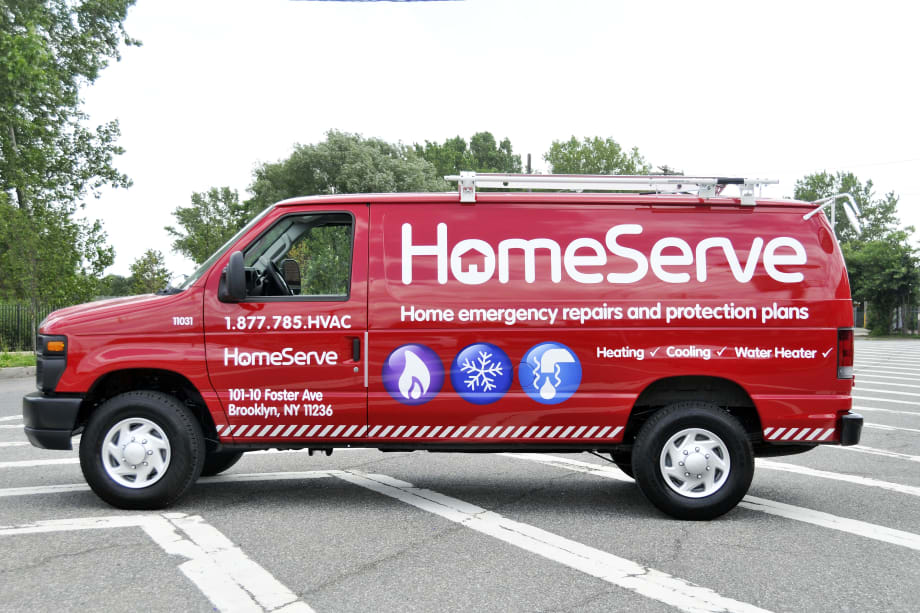
STAMFORD, CT – Earlier this month HomeServe USA, a provider of emergency home repair programs, announced that it has launched a fleet of company-branded service vehicles in the northeastern U.S. AutomotiveFleet contacted HomeServe USA to get more details about their plans for this new fleet.
HomeServe USA is the U.S.-based branch of HomeServe, a UK company that also has operations in the UK, France, Spain, Italy, and Belgium. In the U.S., the company’s total fleet consists of 200 vehicles, of which the 140 vehicles announced as part of the company’s new fleet in the U.S. are service vans, according to company spokesperson Myles Meehan.
“HomeServe is undergoing a process of upgrading older vehicles that were part of an existing fleet of service vans,” Meehan said. “These vehicles were acquired as part of the National Grid Energy Services business and are based in this region.”
After HomeServe USA acquired the fleet from NGES, the company decided it needed to implement a vehicle replacement strategy and went about gathering data before deciding on a new make and model for its service van fleet.
“According to Lou King, HomeServe’s VP of Operations, we took a two-step process in determining the vehicle replacement strategy,” Meehan said. “First, we analyzed how the vehicles were being used and then evaluated the individual vehicles for emissions, mileage, and maintenance history. The existing fleet of service vans is mostly comprised of several Chevy models with an average age of 5-plus years. HomeServe undertook an assessment process of alternatives and determined that the Ford Econoline van was best suited to meet our needs moving forward.”
Although the company is now transitioning to this branded group of vehicles, the primary reason for their use is to ensure former NGES customers are aware of HomeServe USA taking over as a service provider in the region.
“The National Grid Energy Services (NGES) acquisition offered us an opportunity to re-brand that business and promote the HomeServe name regionally in the territories previously served by NGES,” Meehan said. “The new branded vehicles do represent an effort to increase awareness of HomeServe in this region. This is the only area here in the US where HomeServe has an employed network of service technicians in branded vehicles.”
Meehan said that in the other areas, HomeServe delivers service through a closely managed network of independent contractors from various trades.
“Like in other areas of the country, here in the northeast HomeServe is expanding the scope of service plans available to customers and the number of territories served as we form new partnerships,” he said.
By Greg Basich
More Operations

Fleet Has a Talent Pipeline Problem. What Comes Next? | AF News Recap
Where will fleet’s next generation of leaders come from? This week, we’re looking at the industry’s talent pipeline, what certification can add to a fleet career, how to build an award-worthy track record, and the return of Automotive Fleet’s Personal Use Survey.
Read More →
Smith System Launches Driver Risk Management Program
Fleets have more driver data than ever, but identifying risky behavior doesn't necessarily correct it. Smith System's new Driver Risk Management program combines monitoring, training, and follow-up coaching to help fleets connect risk signals with driver intervention.
Read More →
Automotive Fleet Opens 2026 Personal Use Survey for Commercial Fleet Managers
Less than two weeks left! Commercial and corporate fleet managers are invited to share how their organizations handle company vehicle personal-use policies, charges, and driver eligibility.
Read More →
From AI Prompts to AI-Generated Safety Songs | AF News Recap
Can better prompts make AI more useful for fleet managers? This week, we’re breaking down smarter fleet analysis, an AI-assisted experiment that turned safety training into music, and what happened to fuel prices in August.
Read More →
How to Write Better AI Prompts for Fleet Analysis
Include these six elements in your fleet prompts to generate more relevant analysis and accurate answers.
Read More →
Fleet Meets: Eric Kilgore
This edition of the Fleet Meets series features one of the industry's best leaders driving multi-market and national operations.
Read More →
Why Reactive Fleet Management Is Becoming Too Expensive to Sustain
Research highlights a growing need for proactive management strategies to address rising costs in fleet operations effectively.
Read More →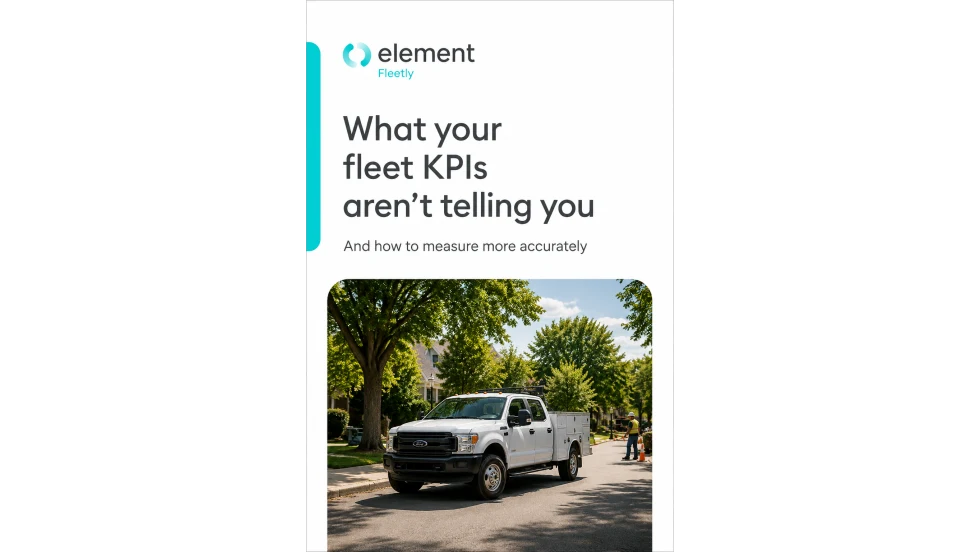
What Your Fleet KPIs Aren’t Telling You
Tracking fleet metrics is only useful when the data leads to better decisions. This guide helps fleet leaders assess cost, utilization, and downtime more accurately, identify performance gaps, and prioritize the actions that can improve operational results.
Read More →
Hidden in Plain Sight: Fleet Compliance Risks
Fleet compliance isn't just about having policies — it's about consistently enforcing them. This practical guide reveals six hidden compliance risks common in public sector and shared fleet operations and outlines proven strategies to improve visibility, accountability, and audit readiness
Read More →
Turning Fleet Payment Data into Executive Insights
Does data alone drive results in operations?
Read More →