




Related: Manheim's Used Vehicle Values Rise 6 Straight Months
High-Mileage Vehicle Depreciation Strengthens
Vehicles over 100,000 aren’t depreciating at the same as they used to due mostly to a tight supply of late-model used vehicles, according to Edmunds’ Q3 Used Vehicle Market Report.
by Staff
November 14, 2017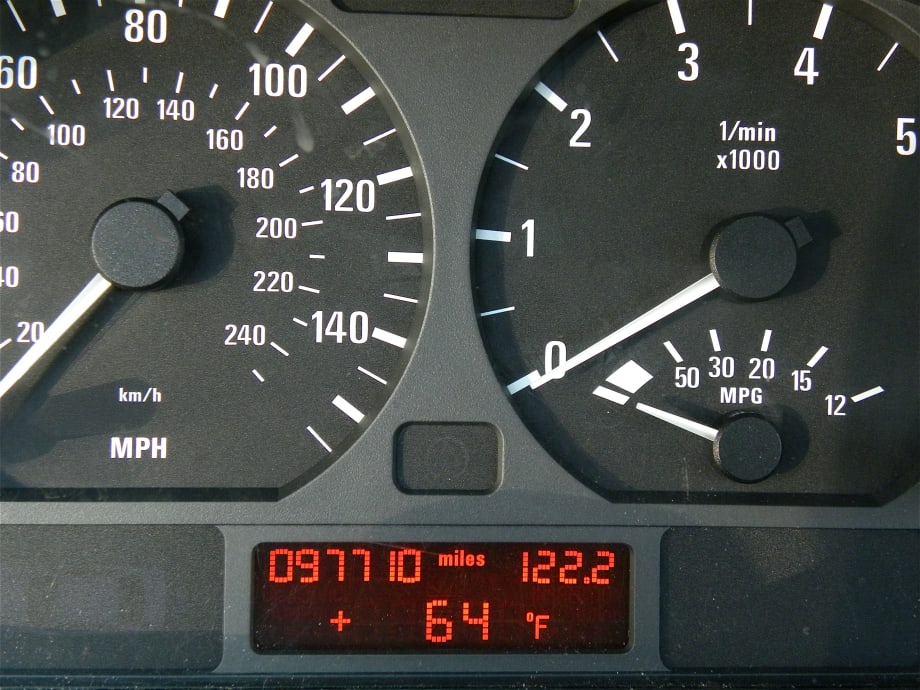
Photo via Peter Stevens / Flickr
2 min to read
Photo via Peter Stevens / Flickr
Vehicles over 100,000 aren’t depreciating at the same as they used to due mostly to a tight supply of late-model used vehicles, according to Edmunds Q3 Used Vehicle Market Report.
The rate of depreciation for vehicles between 100,000 miles and 150,000 miles on the odometer is now similar to the decline that occurs between 50,000 and 100,000 miles.
"After about the first 40,000 miles, vehicles depreciate at a slow and steady pace. The most dramatic drop-off is actually during the first 20,000 miles," said Ivan Drury said, Edmunds senior analyst. "Following the recession, many people were forced to hang on to their vehicles longer than they may have wanted to simply because they couldn’t afford to get a new car. People then saw for themselves how much vehicle quality has improved and realized that a car with 125,000 or even 150,000 miles still has a lot of life left."
This realization has caused a high demand for these high-mileage vehicles, Edmunds noted. In the third quarter of 2017, a 2013 model-year vehicle with 10,000 to 20,000 miles on the odometer took roughly the same amount of time to sell as one with 90,000 to 100,000 miles.
On average, a 2010 model-year vehicle took a dealer 34 days to sell; a 2013 model-year took 42 days to sell; and a 2016 model -year vehicle took 51 days to sell.
This demand for higher-mileage vehicles combined with low supply is also causing prices among the late-model segment to rise. The fact that SUVs and trucks — which are typically more expensive than cars and hold their values better— are as popular as they are right now, is also adding to the average transaction price for used cars.
Currently, a 2015 mid-size SUV with 100,000 miles holds about 50% of its original value while a mid-size car with 100,000 miles retains around 42% of its original value. The gap between car and truck, Edmunds added, widens further among older models.
“Even though the number of off-lease vehicles entering the used market is starting to level off, the average price of a used vehicle is still at a record high because demand also remains at the lower end of the market,” Drury said. “While the oversupply of newer vehicles is good news for buyers who can afford them, there’s still a very large segment of the population who just want an affordable vehicle to get them from A to B, and those are becoming much harder to find.”
More Remarketing

FLD Promotes Three Executives in Leadership Changes
FLD has promoted three longtime executives, naming Gary Mott CEO, Richard Mallek president, and Ron Sanders managing partner.
Read More →
Ford Pro Launches Certified Pre-Owned Program for Commercial Vehicles
Ford Pro Advantage will offer certified pre-owned Class 1-7 commercial vehicles through more than 700 Ford Pro Commercial Vehicle Centers.
Read More →
Copart to Acquire ACV in $1.9 Billion Deal
The acquisition would expand Copart beyond its traditional salvage business into dealer-to-dealer wholesale remarketing while adding ACV’s vehicle data, inspection, and valuation technology.
Read More →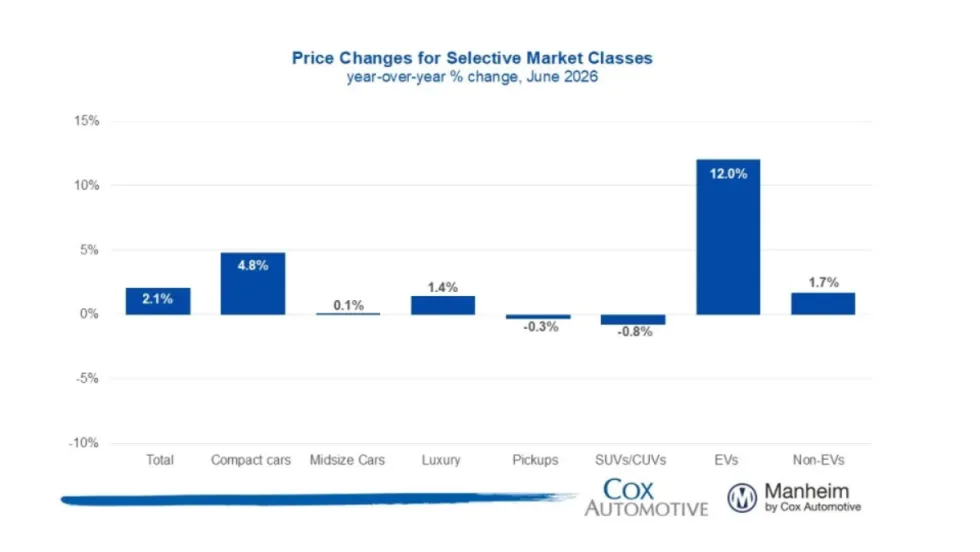
Manheim Index Shows Used-Vehicle Wholesale Prices Up 2.1% in June
The market is seeing stronger appreciation in older used vehicles this year, and the most affordable segments have been among the year’s best performers.
Read More →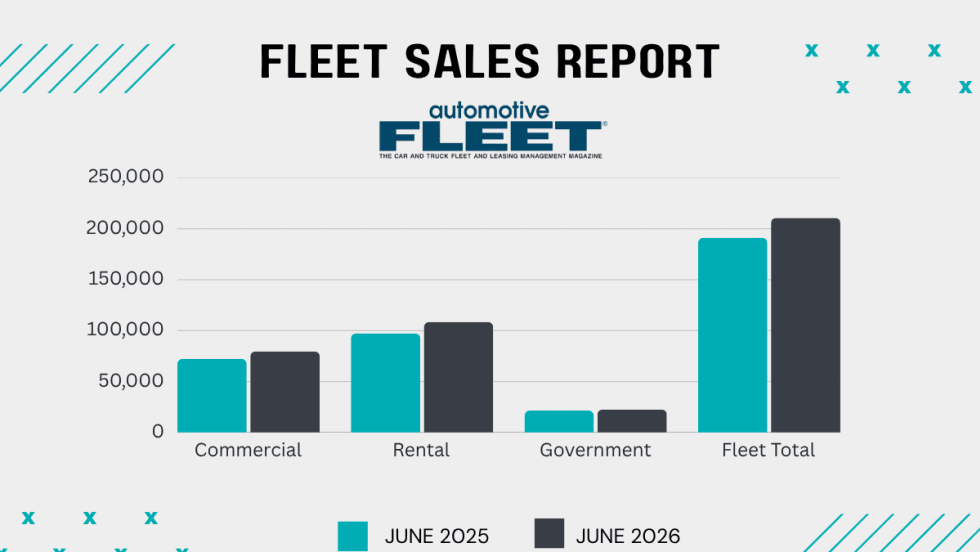
Commercial Fleet Sales Contribute To June, YTD Gains
The fleet sector has boosted its vehicle purchases at a reliable pace in the first half of this year compared with 1H 2025.
Read More →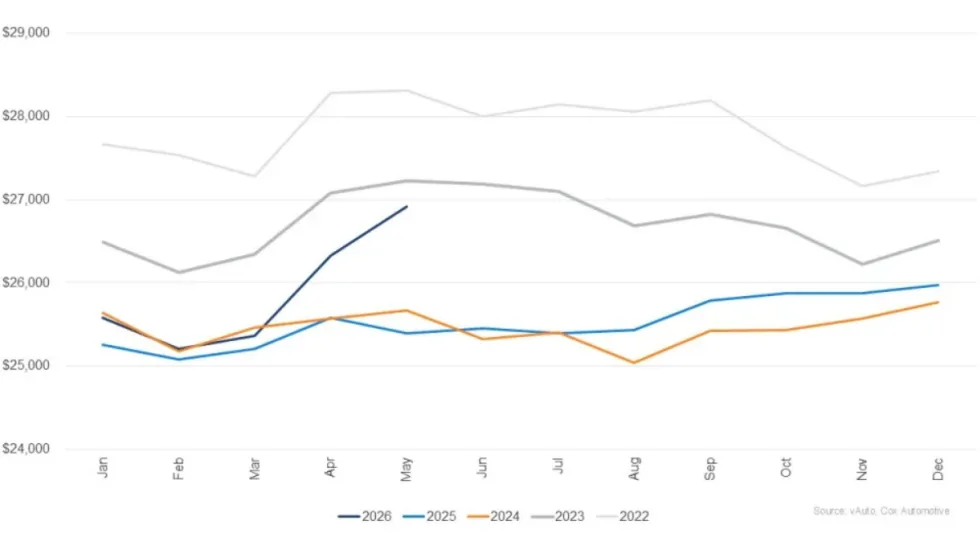
Used Vehicle Prices Climb Higher As Sales Pace Slows
The higher prices at used retail reflect strong wholesale values earlier in the spring, particularly for older, more affordable vehicles.
Read More →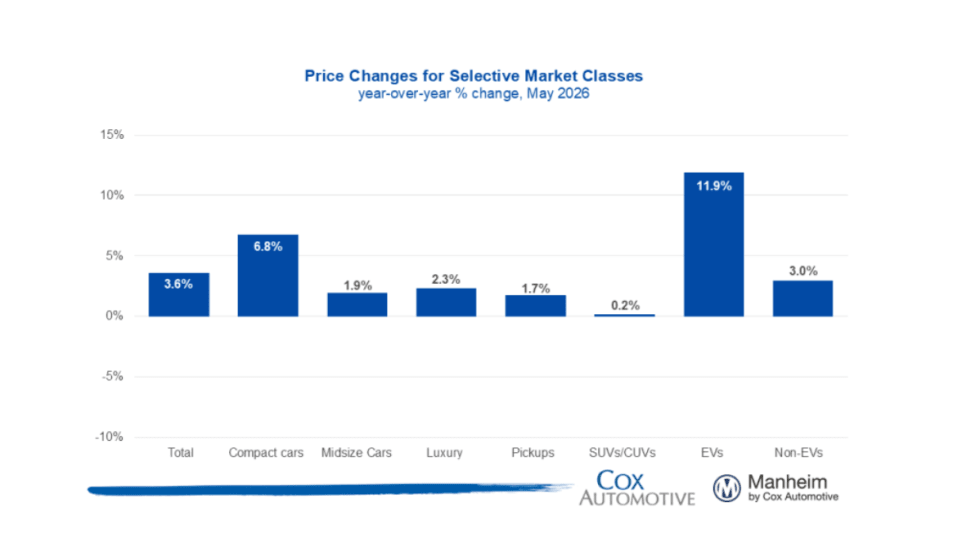
Wholesale Used Vehicle Market Sustains Moderate Rise In Values, Prices
Trends continue to normalize after a strong start to the year, as consumers contend with higher gas prices in the coming summer months.
Read More →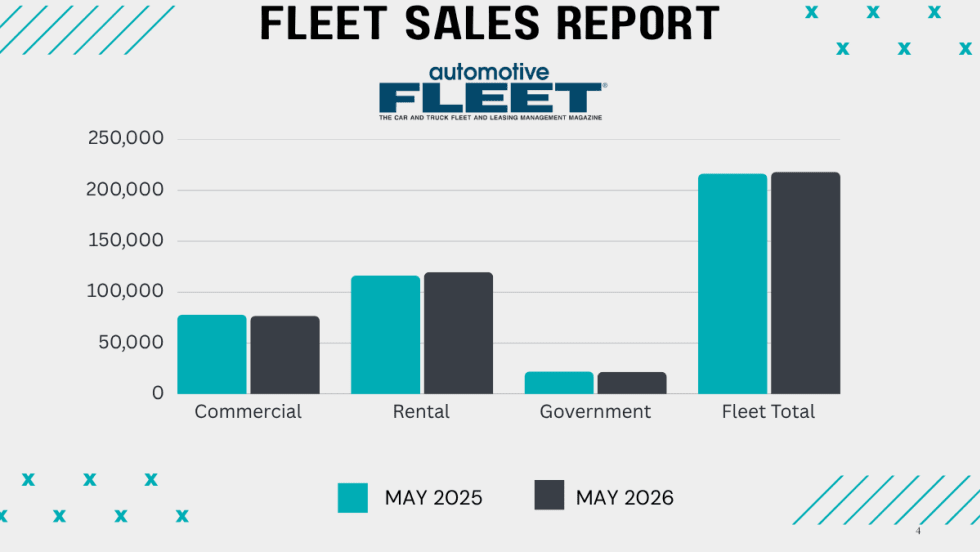
Commercial Fleet Sales Still Lead Sectors Despite May Mini Dip
The U.S. economy's continued growth and positive business investment are creating a favorable environment for fleet vehicle demand.
Read More →
How Connected Vehicle Data Is Lifting Fleet Resale Values
A vehicle health score could improve the value of fleet vehicles at remarketing. The path to a universal standard is forming, and fleets that understand the process early will be better positioned when it arrives.
Read More →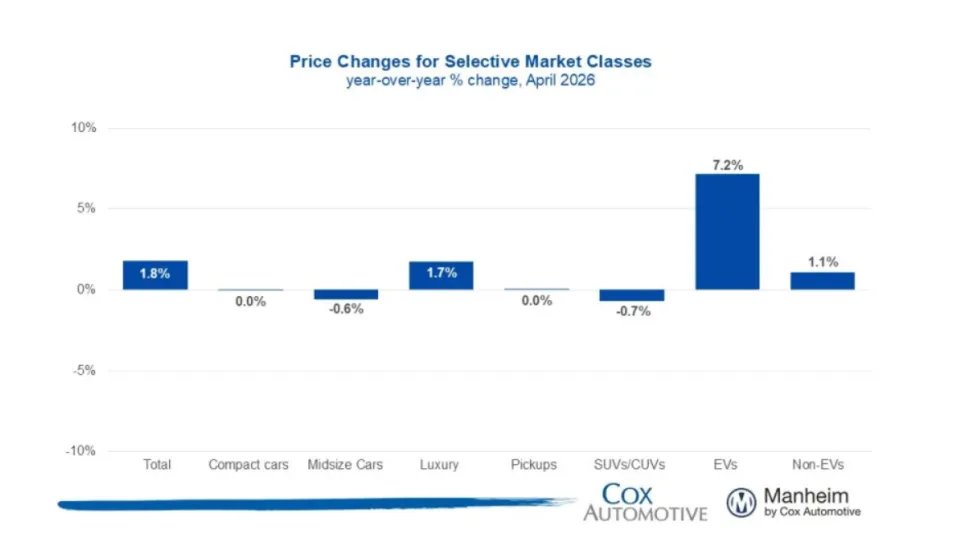
Wholesale Used Vehicle Prices Slightly Up In April
The Iranian conflict and rising gas prices inject much uncertainty into the future wholesale used vehicle markets, as higher gas prices soak up spendable income from vehicle buyers.
Read More →