




Green Truck Summit: Electric Trucks and Alternative Fuels
The Green Truck Summit was introduced in 2007 and helps industry experts and fleet managers engage in conversation about best practices, share new ideas, and collaborate on potential advanced technologies.

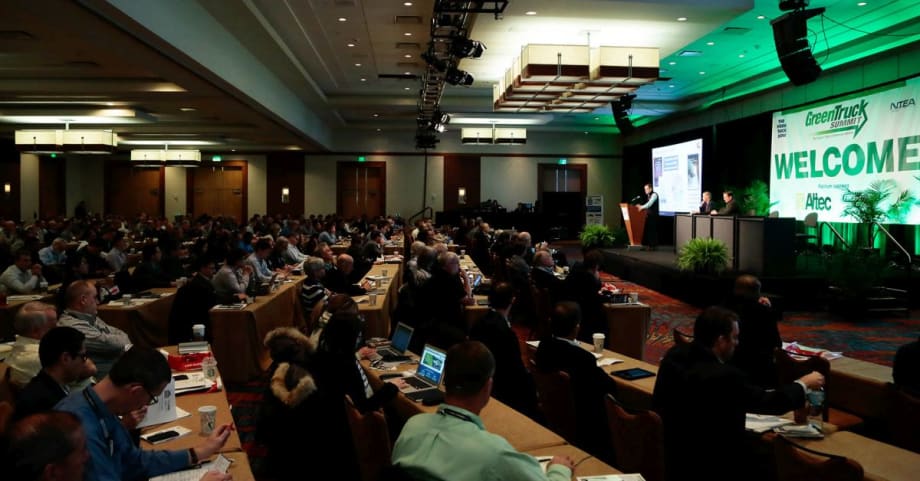
The Green Truck Summit was first launched in 2007.
Photo: NTEA
Fleet managers, truck equipment distributors, upfitters, and truck dealers from around the world will hear strategies to help create more productive and innovative work trucks, discover ways to turn commercial vehicles into work systems and gain insight into electric work truck deployment at Green Truck Summit 2020, held in conjunction with The Work Truck Show 2020.
Work Truck Week runs March 3-6, 2020 at the Indiana Convention Center in Indianapolis.
Green Truck Summit, Manufacturer and Distributor Innovation Conference, and educational sessions begin March 3. The Work Truck Show exhibit hall opens March 4 and runs through noon on March 6.
Produced by NTEA – The Association for the Work Truck Industry, Green Truck Summit provides a look into and long-range forecasts around the latest productivity options and alternative fuel and technology implementation. The Summit features presentations from regulatory agencies, fleet managers, commercial vehicle manufacturers, and stakeholders from industry trade associations and professional societies.
“In recent years, the intense focus on developing more efficient and sustainable vocational truck fleets has yielded some of the most innovative green technologies and industry practices ever,” says Doyle Sumrall, NTEA managing director. “This conference, which was introduced to the industry in 2007, has become an important forum where industry experts and fleet managers can engage in conversation about best practices, share new ideas and collaborate on potential advanced technologies that can drive fleets even further down the road toward a zero-emission transportation industry.”
Green Truck Summit begins March 3 at 8:30 a.m. with opening remarks, followed by a keynote address at 8:45 a.m. Following the keynote, attendees can participate in a variety of general sessions.
During the How Truck Technology Advances Will Impact Industry Practices session, industry leaders Bill Combs, director, Connected Fleet, Penske Truck Leasing; Nick Rini, director of engineering, FCCC; Rick Sapienza, director, Clean Transportation Program, NC Clean Energy Technology Center; and an OEM representative will share a forward look at work truck automation and autonomy, highlighting advanced technologies currently in development, as well as future possibilities.
Meeting Program Sustainability Targets: Successes and Challenges of New Equipment Offerings will feature Todd Carlson, principal manager – fleet asset management, Southern California Edison; Bill Van Amburg, executive vice president, CALSTART; and an additional fleet representative discussing fleet management strategies that can help achieve a more sustainable transportation profile.
Legacy fleet equipment is one of the most challenging elements of a sustainability evolution that involves powerplants and sustainable fuels. Attendees of Achieving Legacy Fleet Sustainability will learn strategies to help overcome obstacles, such as fluctuations in OEM offerings and support, to successfully transition their legacy fleet. Joseph Moser II, fleet manager, Commonwealth Edison; and additional fleet representatives will lead the discussion.
In the Alt Fuels and Technology: Evolution Toward Zero Emissions session, presenters Michael Berube, acting deputy assistant secretary for transportation, Office of Energy Efficiency and Renewable Energy, U.S. Department of Transportation; Michael McDonald, director, sustainability and government affairs, UPS; and Tucker Perkins, president and CEO, PERC, will help attendees discover how the introduction of renewable diesel, CNG and propane, reductions in exhaust emissions from conventional power offerings, along with batteries, fuel cells and fundamental truck designs, are driving industry change.
With increasing interest in electric drive medium- and heavy-duty trucks, the top sources for onboard energy are fuel cells and batteries. Elizabeth Fretheim, head of business development, Nikola Motor Company; Abas Goodarzi, president and CEO, US Hybrid; and an OEM representative will discuss the pros and cons of these choices during Powering Electric Drive: Batteries or Fuel Cells?
In addition to these general sessions, attendees can choose from dozens of concurrent sessions March 4-5 with topics such as vehicle weight management, building better vehicle spec’s, maximizing the value of aftermarket tires, OEM chassis updates, and more.
The Work Truck Show exhibit hall featuring 500 exhibitors will be open March 4-6. The Productivity and Fuels Pavilion section showcases companies displaying clean technologies and fuel utilization reduction solutions.
Additionally, attendees can experience the industry’s latest clean vehicle solutions and alternative fuel applications at The Work Truck Show Ride-and-Drive where they can test-drive or ride in the newest work trucks on March 4-5. Participation is free and available on a first-come, first-served basis to all registered Work Truck Show 2020 attendees.
Originally posted on Work Truck Online
More Global Fleet

GeoFencing Adds to Your Truck Security Arsenal
Geofencing is a familiar fleet tool today, but its early adoption marked a major shift in vehicle tracking, route monitoring, and the debate over employee privacy.
Read More →
Holman Takes Full Ownership of ARIZA in Mexico
Holman is bringing its Mexican fleet management operation fully under its own brand after more than 30 years as a joint venture. The change gives multinational fleet customers a single Holman operation across the U.S., Canada, and Mexico.
Read More →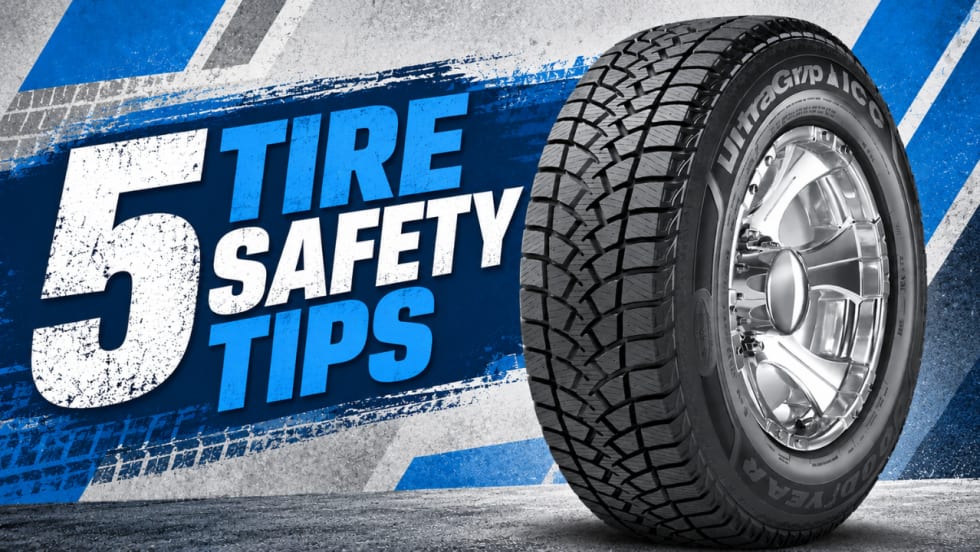
5 Tire Maintenance Tips to Help Prevent Work Truck Downtime
Regular tire checks can do more than extend tread life. These five maintenance practices can help work truck fleets catch problems early, reduce costs, and prevent downtime.
Read More →

Proven Ways to Reduce Work Truck Downtime
The age-old problem of downtime will always be a reality, but with new strategies at hand, fleets have more ways to keep trucks on the road longer.
Read More →

Cameras, Safety and Insurance: From Reactive Claims to Real-Time Prevention (Part 2 of 2)
Part Two: Commercial auto remains one of the most challenging and costly lines of coverage for fleet operators and insurers alike. Continue learning more about how to effectively address these issues from Onur Aksan, Enterprise Business Development Executive, Geotab
Read More →
Cameras, Safety and Insurance: From Reactive Claims to Real-time Prevention
Commercial auto remains one of the most challenging and costly lines of coverage for fleet operators and insurers alike. Learn more about how to effectively address these issues from Onur Aksan, Enterprise Business Development Executive, Geotab.
Read More →
Fleet Costs Are Rising: Here’s How Leaders Are Responding
Fleet leaders are under pressure to reduce costs, adapt to economic uncertainty, and make smarter decisions. See how peers across North America are responding with real data, proven strategies, and forward-looking insights. Download the 2026 Market Pulse Report to benchmark your strategy and uncover where you can gain an edge.
Read More →
Enterprise Fleet Management Surpasses 900,000 Vehicles in U.S. & Canada
Enterprise Mobility connects with mobility solutions around the globe
Read More →