




Graybar's Fleet Manager Hughes Retires
David Hughes, long-time director, corporate safety & fleet management at Graybar, retired on June 1. Succeeding Hughes as the new director, corporate safety and fleet management at Graybar is Keith Bailey, who assumed the position in May.


Hughes

Hughes
David Hughes, long-time director, corporate safety & fleet management at Graybar, retired on June 1. Succeeding Hughes as the new director, corporate safety and fleet management at Graybar is Keith Bailey, who assumed the position in May.
At the time of his retirement, Hughes was responsible for all aspects of Graybar's corporate safety program, including injury and accident prevention, regulatory compliance, management consultation, and program development and implementation
His fleet management responsibilities for the 2,000-vehicle fleet included negotiations with OEMs for both cars and trucks, developing specifications for delivery trucks with OEMs and preferred upfitters, establishment of maintenance programs, and DOT compliance.
While managing Graybar's corporate fleet, Hughes established fleet policy and procedures, including driver mileage reimbursement for personal use program, fuel reimbursement, and lifecycle replacement analysis.
Beyond corporate safety and fleet management, Hughes' other responsibilities during his Graybar career included facility operations for more than 400,000 square feet of office space housing multiple tenants, including the corporate data center and 800 employees. In addition, he administered corporate-wide employee relocations for household goods moves.
"After 21 years working for a fantastic company I have decided to retire to pursue new challenges. Being part of an exceptional company made this a difficult decision. However, for me, the realization that I must continue to grow and stretch my comfort zone made it the right decision. I am looking forward to change," said Hughes.
More Operations
Here's When You Should Make an Exception to Fleet Policy
Fleet policies are designed to create consistency, but not every driver or situation fits neatly within standard rules.
Read More →
AI-Native or AI-Acquired: What Should Fleet Managers Look for in an AI Platform?
Six questions can help fleet managers look beyond AI marketing claims to evaluate integration, data access, and real-world operational performance.
Read More →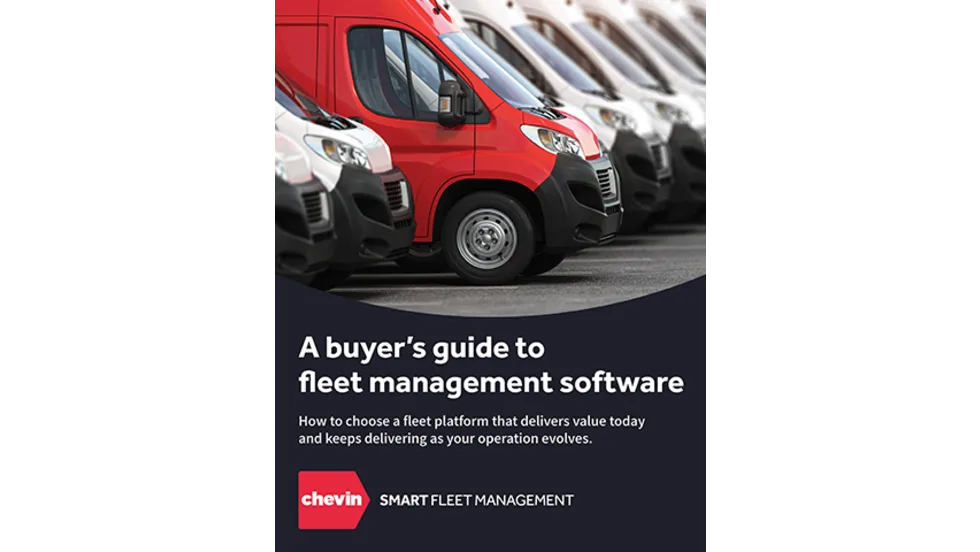
A buyer's guide to fleet management software in 2027
Buying fleet management software in 2027 means looking beyond features and price. As fleet operations, technology and expectations evolve, this guide explores what today’s fleet professionals should consider when choosing a system that can deliver value now and adapt to what comes next.
Read More →

What Will Shape the Next Era of Fleet Management?
EVs, AI, and autonomous vehicles are reshaping fleet management. Discover what’s ahead—and how fleet leaders can prepare for the next era.
Read More →
How Fleets Can Recruit and Train Veterans for Technician Roles
Here's how the technician shortage has affected uptime for fleets, and what to do about it.
Read More →
Avis Budget Group Deploys Neology Toll Management Technology Across Major Brands
Neology’s neoFleet platform will manage toll transactions and toll-authority operations for vehicles across Avis, Budget, Payless, Budget Truck and Zipcar.
Read More →
Fleet Personal-Use Charges Edge Higher in 2026
Nearly eight in 10 surveyed fleets allow personal use of company vehicles, while just over half of respondents report charging employees for the privilege.
Read More →
The Future of Fleet + What’s Changing Right Now | AF News Recap
Could developments overseas offer a preview of what’s coming for U.S. fleets? This week, we’re looking at the future of AI, autonomy, and electrification, plus Ford Pro’s new certified pre-owned program, smarter vehicle offboarding, and a new way for fleets to manage toll expenses.
Read More →
How to Handle Vehicle Offboarding
What do fleet managers need to do when a driver leaves?
Read More →
Fleet Manager’s Ultimate Playbook: Navigating the New Standard in OEM Connectivity
Rising operating costs, driver safety concerns, and unplanned downtime are putting unprecedented pressure on modern fleets. Discover how fleet managers use embedded OEM connectivity and real-time vehicle data to cut TCO, prevent downtime, and protect drivers without aftermarket telematics hardware.
Read More →