




GM's 2013-MY Chevrolet Traverse Features New Safety Tech, New Exterior and Interior
NEW YORK - GM stated that the new Traverse has an “athletic” exterior design and a new front end that introduces a “new face” for Chevrolet crossover utility vehicles.
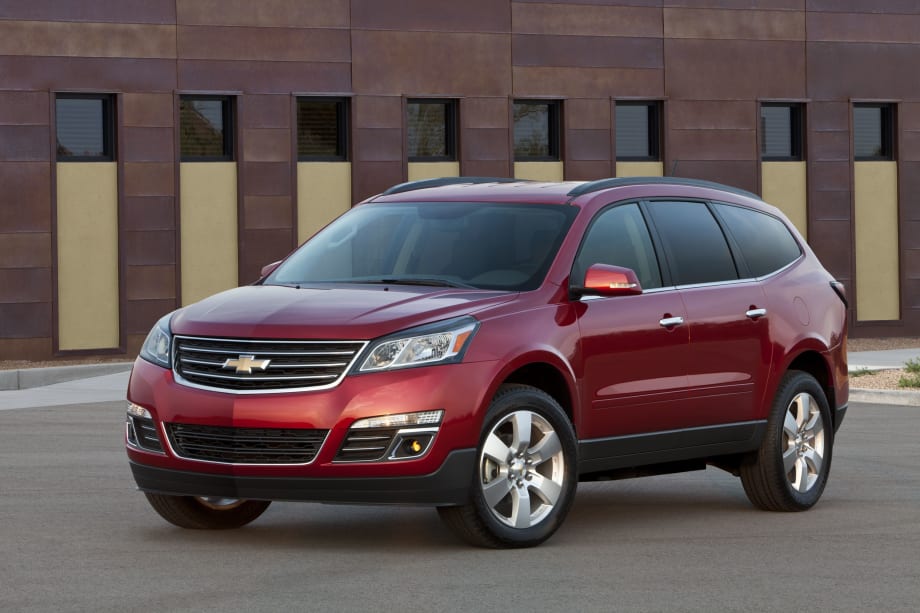
The 2013-MY Chevrolet Traverse.
The 2013-MY Chevrolet Traverse.
NEW YORK - General Motors announced the new 2013-MY Chevrolet Traverse’s features, which include a new exterior design, interior upgrades, and new safety technologies.
You can view a gallery with more photos of the new Traverse here.
GM stated that the new Traverse has an “athletic” exterior design and a new front end that introduces a “new face” for Chevrolet crossover utility vehicles. The automaker described the front end as featuring a new shape supported by a powerdome hood, a three-bar upper and two-bar lower grille design, new lamps, chrome accents around the grille and fog lamps, and sculpted front corners that the company said are similar to those on the Malibu sedan.
One of the major new features that GM is touting is the automaker’s new front center airbag. In an accident, the airbag deploys from the inboard side of the driver’s seat and inflates between the driver and front passenger, helping to protect both occupants.
“While no restraint technology or feature can address all body areas or all potential injuries, the front center air bag is designed to address field-relevant, side-impact crashes that are not addressed by current regulatory or consumer metric test conditions,” said Gay Kent, GM executive director of Vehicle Safety and Crashworthiness. “It works with the vehicle’s other air bags, safety belts and structure to deliver a safer occupant environment.”
Inside, the Traverse features upgraded materials, contrasting stitching, chrome and silver accents, and available blue ambient lighting. It also comes with a new center stack that showcases a 6.5-inch color touch radio with the available Chevrolet MyLink infotainment system. The new center stack also features large, illuminated climate controls that the automaker said are easier to use.
The Traverse’s second-row seat comes with a three-passenger bench or a pair of captain’s chairs. GM said the third-row seat can accommodate three adult passengers. The vehicle provides 24.4 cu. ft. of cargo room behind the third row seats as well.
The Traverse’s front seats also now feature adjustable articulating head restraints, and the eight-way power passenger seat includes leather trim. New wood trim treatments are standard on the LT and LTZ models. When it comes to interior colors, customers can choose from three options, in cloth or leather, including Ebony and Mojave, Light Titanium and Dark Titanium, and Ebony.
GM upgrades the transmission in the vehicle, as the Traverse’s 3.6L V-6 with direct injection is mated to a six-speed automatic transmission that provides an improved shift feel, according to GM. The automaker also improved ride and handling characteristics by using rebound springs in the front struts (to increase roll control). GM also added new shock valving to deliver a smoother ride at lower speeds. The Traverse offers an all-wheel-drive system that provides more traction on slippery roads.
Additional safety and security features include the following:
Available Side Blind Zone Alert and Rear Cross Traffic Alert systems (standard on LTZ)
Standard head curtain side air bags with rollover protection for outboard occupants in all seating rows.
StabiliTrak electronic stability control with rollover mitigation technology is standard on all models and incorporates full-function traction control.
Standard rearview camera system.
Standard four-wheel-disc brake system with ABS.
Safety belt pretensioners.
LATCH (Lower Anchors and Tethers for CHildren) child seat attachment system included in outboard second-row seating positions.
Tire pressure monitoring system, standard on all models.
Body structure designed to absorb crash energy and provide a protective “safety cage” around occupants.
Standard hill start assist brakes.
More Operations

Company Vehicle or Reimbursement? How Fleets Are Rethinking Assignments
As fleet costs and insurance pressures rise, fleet managers are taking a closer look at which employees need company-provided vehicles and when a reimbursement program may make more sense.

Fleetio, ASE Launch Scholarship Program for Automotive Technicians
The second annual program will award 15 scholarships totaling $35,000 to support ASE certification, testing fees, and equipment costs.

Reading the Global Signals: What AI and the Energy Transition Mean for Fleets Now
In this opening keynote of the 2026 Fleet Forward Conference, John Rossant, founder of CoMotion, How can fleet managers navigate a never-ending, changing industry landscape?

90% Use Telematics. Are Fleets Getting Safer? | AF News Recap
This week, we're breaking down which industries have the highest rates, how Jamie McKay manages 2,400 vehicles, what's happening with the 2027 fleet awards, and why software-defined vehicles could introduce new costs.

What's Best Handled by an FMC, and What's Better Done Directly?
Fleet managers continue to rely on FMCs for essential services but are taking a closer look at where working directly with suppliers can improve efficiency and responsiveness.

Fleet Meets: Erin Gilchrist
Meet Erin Gilchrist, the inaugural Mike Antich Spirit of Fleet Award winner, as she shares insights on leadership, mentorship, the power of industry connections, and why people remain at the heart of fleet's future.

How 2026 Fleet Visionary Jamie McKay Manages 2,400 Vehicles Across 37 States
How do you keep 2,400 vehicles running across 37 states? Fleet Visionary Award winner Jamie McKay shares how collaboration, flexibility, and a few simple strategies help her tackle fleet management challenges at Aptive Pest Control.

Managing Fleet Costs in an Era of Permanent Volatility
Fleet operating costs have risen more than 20% since 2020, raising a key question: When does extending a vehicle's service life stop making financial sense?

The Next Evolution of Fleet Management: Autonomous Operations
This opening keynote session at the Fleet Forward Conference highlights the future of autonomous driving for fleets.

How to Reduce the Total Cost of Risk From Catalytic Converter Theft
A stolen catalytic converter can cost fleets far more in downtime and lost productivity than in repairs. A total-cost-of-risk approach can help fleet managers quantify their exposure and prioritize theft prevention.