





Learn More: Hands-Free Trailering? GM's Super Cruise Debuts New Features
GM to Double Super Cruise Road Network
Hundreds of thousands of additional miles of roads in the U.S. and Canada will be added to the hands-free network.
August 3, 2022
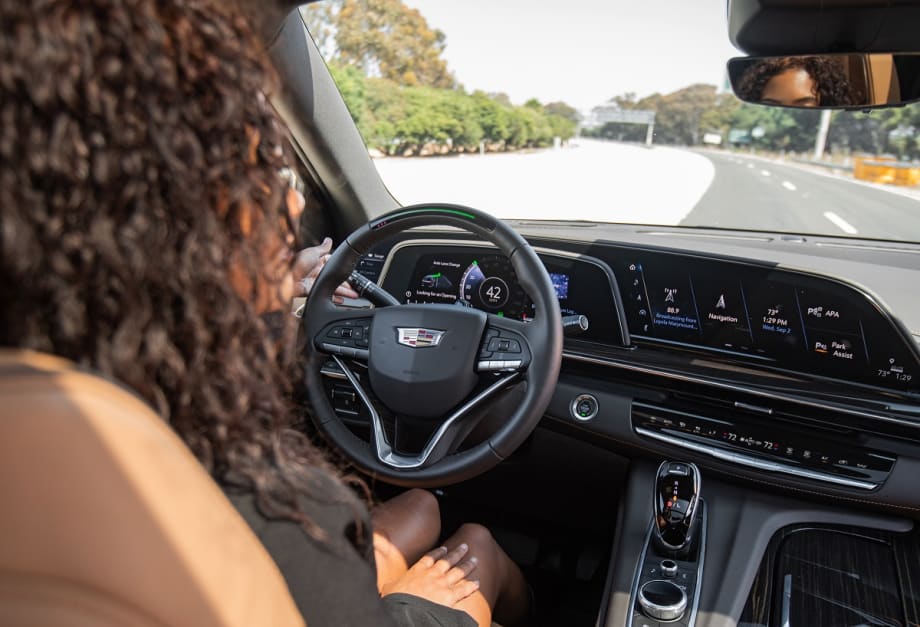
GM vehicles built on the VIP electrical architecture will be the first to receive the update later this year.
Photo: General Motors
2 min to read
General Motors announced that Super Cruise, a hands-free driver assistance technology, will soon be expanded to work on even more roads, giving drivers greater accessibility to hands-free driving. By doubling the Super Cruise road network, hundreds of thousands of additional miles of roads in the U.S. and Canada can be explored hands-free, the announcement said.
For new vehicles in the GM portfolio built on the VIP electrical architecture, the expansion will be available later this year and will be delivered over the air at no additional charge starting in 2022 on Super Cruise-equipped models.
Super Cruise currently works on mapped divided highways, known as interstates. The expansion will enable Super Cruise to work on many additional state and federal routes, a combination of undivided and divided highway roads. A few notable routes with large sections coming online with this expansion include:
The Mother Road – U.S. Route 66
Pacific Coast Highway – CA Route 1
Overseas Highway – U.S. Route 1
Trans-Canada Highway
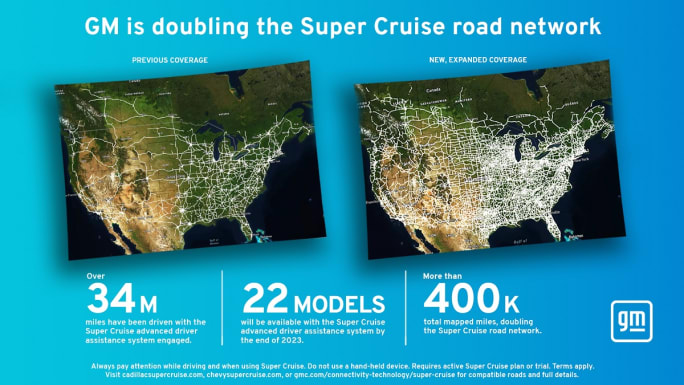
So far, GM customers have driven more than 34 million miles with Super Cruise engaged.
Photo: General Motors
"GM is all in when it comes to accessible advanced driver assistance technology. We are adding Super Cruise to more vehicles than ever, and on more roads for more customers to experience,” said Mario Maiorana, GM chief engineer, Super Cruise. “We are pursuing what we believe to be the most comprehensive path to autonomy in the industry with responsible deployment of automated driving technology like Super Cruise at the core of what we do.”
When Super Cruise is engaged, the vehicle’s precision LiDAR map data, real-time cameras, radars, and GPS keep the vehicle traveling along the lane path for a hands-free driving experience. These systems work together through “sensor fusion” to create a sensory field around the vehicle that assists in keeping it centered in the lane while elevating the driver’s comfort and convenience.
Super Cruise accelerates or brakes the vehicle to maintain a selected following gap from a vehicle ahead, steers to maintain lane position, and on select models when offered, can perform both driver and system-initiated lane changes to pass slower traffic and to move from a lane that may be ending, while monitoring the driver’s head position and/or eyes in relation to the road to help ensure driver attention.
More Green Fleet
Sponsored•October 1, 2026
New Propane Autogas Program Offers Fleet Compensation
Qualified commercial fleets can receive $7,500 per eligible propane autogas vehicle and up to $10,000 for new refueling site prep. Learn how the program works and see whether your fleet qualifies.
Read More →
EV Charging Use Is Outpacing Infrastructure Growth
ChargePoint’s 2026 Charging Forward Report points to rising charger use, higher-powered charging, commercial vehicle electrification, and energy-management technology. Here’s what fleets should know.
Read More →
Merchants Fleet Reports 290M EV Miles as Fleets Navigate Changing Electrification Market
From millions in operating savings to hundreds of millions of EV miles, Merchants Fleet’s latest report reveals what’s working and what’s changing in fleet electrification.
Read More →
The EV Breakdown Nobody's Talking About: Why Most Electric Vehicle Roadside Calls Aren't Mechanical Failures
Here's why EV breakdowns are widely misunderstood.
Read More →
ChargePoint Now Available in Energy Pass
ChargePoint and additional planned charging network integrations were added to GM's Energy Pass.
Read More →
First Look: Slate Auto's Electric Fleet Pickup
Could an affordable, modular EV pickup make electrification more practical for fleets?
Read More →
Slate Debuts Colorful, Unique EV Models
A recent media and client event, studded with electric vehicles dressed up on platforms, planted a new position for the manufacturer in the wider EV market. Fleets will find cost-saving advantages.
Read More →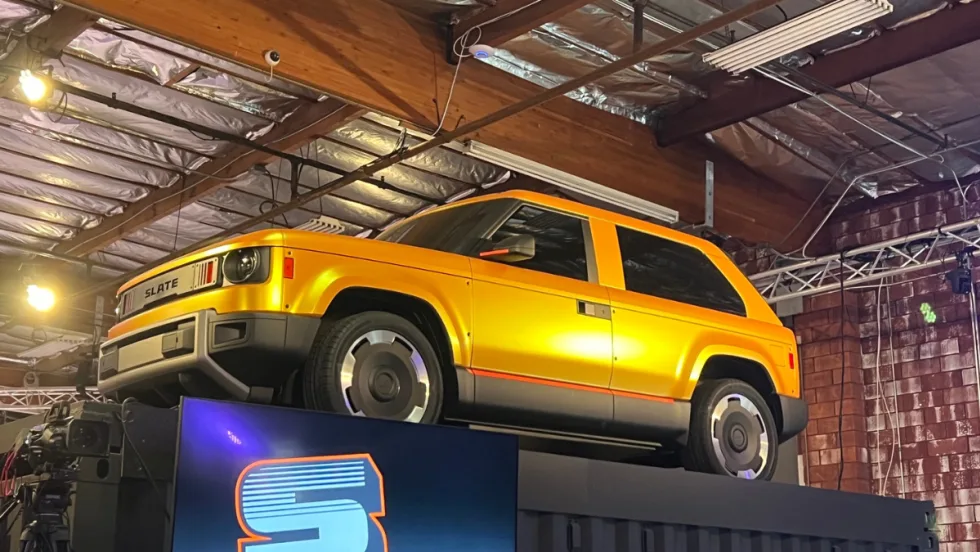
Slate Electric SUV, Pickup Switchable Model Aims For Light-Duty Fleets
Everything about this EV is counterintuitive and understated, making it stand out from the crowd.
Read More →
Inspiration Mobility Acquires Key Electrada Assets
Inspiration Mobility Group has acquired select assets of Electrada, adding the fleet electrification provider's team, technology, and charging infrastructure development capabilities to its energy management business.
Read More →