




Related: Chevrolet to Offer Class 6 Cabover
GM Offers Standard 5/100 Warranty on Gasoline Cabovers
General Motors has begun offering a standard 5-year or 100,000-mile warranty with its gasoline-powered Chevrolet Low Cab Forward trucks to qualified fleet customers, which would make it the only cab-over-engine manufacturer to offer these terms without an extended warranty.

Paul Clinton・Former Senior Web Editor
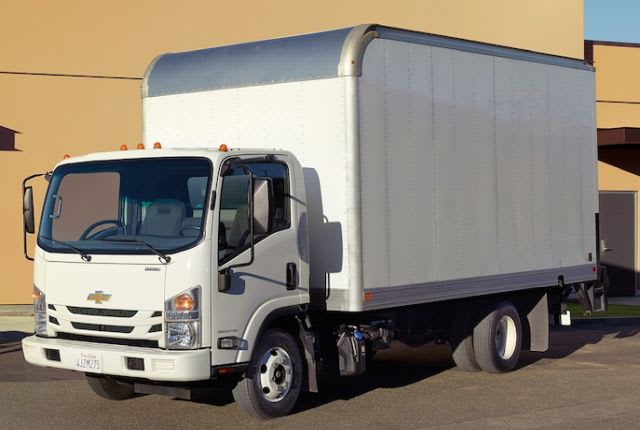
Photo of Chevrolet Low Cab Forward courtesy of GM.
3 min to read
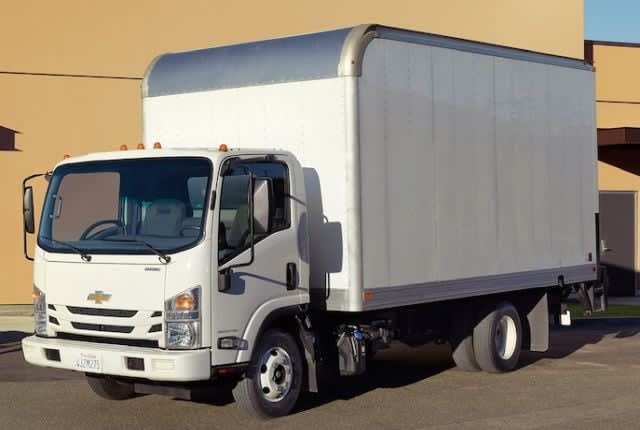
Photo of Chevrolet Low Cab Forward courtesy of GM.
General Motors has begun offering a standard five-year or 100,000-mile warranty with its gasoline-powered Chevrolet Low Cab Forward trucks to qualified fleet customers, which would make it the only cab-over-engine manufacturer to offer these terms without an extended warranty.
GM began offering the warranty terms with its 2016-model-year Low Cab Forward 3500 and 4500, powered by a GM-sourced 6.0L V-8 Vortec gasoline engine that delivers up to 297 horsepower and 372 lb.-ft. of torque through a 6-speed GM transmission. The trucks are available in regular and crew cab models.
A qualified commercial customer must purchase five or more vehicles in the past 12 months or own or lease at least 15 vehicles in service. The fleet purchaser must also have a GM Fleet Account Number (FAN).
GM offers the trucks as rebadged versions of cabovers sold by Isuzu Commercial Truck of America. Isuzu offers the NPR and NPR-HD gasoline cabovers, which are powered by the same GM-sourced engine and transmission powertrain.
Isuzu offers a standard powertrain warranty of three years or 75,000 miles and optional five-year extended warranties of 100,000 or 120,000 miles.
"In the gas truck, GM and Isuzu are both getting a GM powertrain, and we can manage the warranty in the best way that meets the needs of our customers," said Paul Loewer, GM's medium-duty commercial product manager. "On the diesel truck, we follow the Isuzu warranty guidelines."
A third cabover manufacturer, Mitsubishi Fuso Truck of America will begin offering a trio of 2019 model-year cabovers powered by the gasoline engine in early 2018, including the FE130, FE160, and FE180 under an agreement with Power Solutions International, Inc. (PSI). The manufacturer made the announcement at the Work Truck Show earlier this year and hasn't announced the warranty it will offer on the trucks.
Hino doesn't currently offer a gasoline-powered cabover in its lineup.
Gasoline cabover warranties typically differ from diesel cabover warranties because the trucks see different usage patterns. Diesel cabovers typically rack up higher mileage numbers in their first three years or use compared to gasoline trucks. A typical Chevrolet gasoline cabover would be driven about 15,000 to 20,000 miles per year, while a typical Chevrolet diesel cabover would be driven 25,000 to 30,000 miles per year or more, Loewer said.
GM offers fleets alternative-fuel versions of its gasoline cabovers through PSI, including a dedicated compressed natural gas (CNG) or liquefied propane autogas (LPG) model. Fleets need to purchase the hardened engine package that uses special valves that can accommodate the higher pressure of these gaseous fuels.
Currently, GM is selling two gasoline cabovers for every three trucks sold, while Isuzu is selling about an equal number of diesel and gasoline cabovers, Loewer said.
Editor's note: An earlier version of this story has been corrected to report that GM offers its own 6-speed transmission, not the Allison 1000 transmission.
More Operations

What Will Shape the Next Era of Fleet Management?
EVs, AI, and autonomous vehicles are reshaping fleet management. Discover what’s ahead—and how fleet leaders can prepare for the next era.
Read More →
How Fleets Can Recruit and Train Veterans for Technician Roles
Here's how the technician shortage has affected uptime for fleets, and what to do about it.
Read More →
Avis Budget Group Deploys Neology Toll Management Technology Across Major Brands
Neology’s neoFleet platform will manage toll transactions and toll-authority operations for vehicles across Avis, Budget, Payless, Budget Truck and Zipcar.
Read More →

Fleet Personal-Use Charges Edge Higher in 2026
Nearly eight in 10 surveyed fleets allow personal use of company vehicles, while just over half of respondents report charging employees for the privilege.
Read More →
The Future of Fleet + What’s Changing Right Now | AF News Recap
Could developments overseas offer a preview of what’s coming for U.S. fleets? This week, we’re looking at the future of AI, autonomy, and electrification, plus Ford Pro’s new certified pre-owned program, smarter vehicle offboarding, and a new way for fleets to manage toll expenses.
Read More →
How to Handle Vehicle Offboarding
What do fleet managers need to do when a driver leaves?
Read More →
Sponsored•October 1, 2026
Fleet Manager’s Ultimate Playbook: Navigating the New Standard in OEM Connectivity
Rising operating costs, driver safety concerns, and unplanned downtime are putting unprecedented pressure on modern fleets. Discover how fleet managers use embedded OEM connectivity and real-time vehicle data to cut TCO, prevent downtime, and protect drivers without aftermarket telematics hardware.
Read More →
U.S. Bank Adds Verra Mobility Toll Management to Voyager Fleet Platform
The integration allows U.S. Bank Voyager fleet customers to manage toll payments and violations alongside fuel, EV charging and maintenance expenses.
Read More →
ADAS Prevents Crashes. But Repairs Cost More | AF News Recap
ADAS-equipped vehicles may crash less often, but they can cost more when they do. This week, we’re breaking down what that tradeoff means for fleets, plus Subaru’s first Forester Wilderness Hybrid, Nissan’s new e-POWER Rogue, and why Calstart has become Catalyst Mobility.
Read More →
Moventum Fleet Management Names Mark Iorillo Head of Sales
Iorillo brings nearly 20 years of fleet management and sales experience to the role, including previous positions at Element Fleet Management, CEI, Donlen and Ryder.
Read More →