




GM, NHTSA Say Volt Still Safe After Investigating Battery Fire
DETROIT – In response to an investigation of a battery-related fire that occurred during National Highway Traffic Safety Administration (NHTSA) crash testing of the Chevrolet Volt, General Motors has released a statement:
DETROIT – In response to an investigation of a battery-related fire that occurred during National Highway Traffic Safety Administration (NHTSA) crash testing of the Chevrolet Volt, General Motors has released a statement:
“First and foremost, I want to make this very clear: the Volt is a safe car,” said Jim Federico, General Motors chief engineer for electric vehicles. “We are working cooperatively with NHTSA as it completes its investigation. However, NHTSA has stated that based on available data, there’s no greater risk of fire with a Volt than a traditional gasoline-powered car.
“We are working with other vehicle manufacturers, first responders, tow truck operators, and salvage associations with the goal of implementing industry-wide protocols.”
NHTSA said in a statement last week that it has investigated an incident involving a fire in a Chevrolet Volt that occurred more than three weeks after the organization had conducted crash tests on the vehicle. The vehicle was involved in NHTSA’s New Car Assessment crash test program on May 12, 2011. The organization concluded that the crash test damaged the Volt’s lithium-ion battery, and that damage led to the fire that occurred later.
NHTSA emphasized that electric vehicles are not more dangerous than regular, gasoline-fueled vehicles:
“Let us be clear: NHTSA does not believe electric vehicles are at a greater risk of fire than other vehicles. It is common sense that the different designs of electric vehicles will require different safety standards and precautions.”
The organization also emphasized the unique nature of this particular incident:
“That incident — which occurred at the test facility and caused property damage but no injuries — remains the only case of a battery-related fire in a crash or crash test of vehicles powered by lithium-ion batteries, despite a number of other rigorous crash tests of the Chevy Volt separately conducted by both NHTSA and General Motors.”
For the sake of comparison, the National Fire Protection Association said there were 184,500 on-highway vehicle fires in the U.S. in 2010 associated with traditionally fueled vehicles.
NHTSA stated it will conduct additional testing on the Volt's batteries, but reiterated that it doesn't believe there is an issue here.
"Based on the available data, NHTSA does not believe the Volt or other electric vehicles are at a greater risk of fire than gasoline-powered vehicles."
NHTSA provided the following safety tips for those dealing with an electric vehicle after a collision:
Operators of tow trucks and vehicle storage facilities should ensure the damaged vehicle is kept in an open area instead of a garage or other enclosed building.
Drivers should exit the vehicle safely or await the assistance of an emergency responder if they are unable to get out on their own, move a safe distance away from the vehicle, and notify the authorities of the crash.
Emergency responders should check a vehicle for markings or other indications that it is electric-powered. If it is, they should exercise caution, per published guidelines, to avoid any possible electrical shock and should disconnect the battery from the vehicle circuits if possible.
Emergency responders should also use copious amounts of water if fire is present or suspected and keeping in mind that fire can occur for a considerable period after a crash should proceed accordingly.
Rather than attempt to discharge a propulsion battery, an emergency responder, tow truck operator, or storage facility should contact experts at the vehicle's manufacturer on that subject.
Contact a local General Motors dealer with any specific questions.
-- By Greg Basich
Sources: NHTSA, General Motors
More Green Fleet
The EV Breakdown Nobody's Talking About: Why Most Electric Vehicle Roadside Calls Aren't Mechanical Failures
Here's why EV breakdowns are widely misunderstood.
Read More →
ChargePoint Now Available in Energy Pass
ChargePoint and additional planned charging network integrations were added to GM's Energy Pass.
Read More →
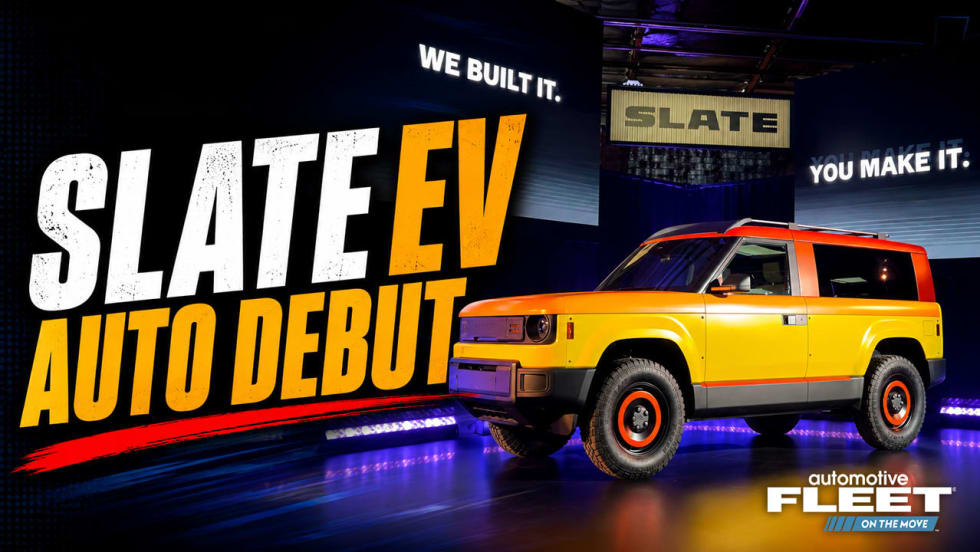
First Look: Slate Auto's Electric Fleet Pickup
Could an affordable, modular EV pickup make electrification more practical for fleets?
Read More →
Slate Debuts Colorful, Unique EV Models
A recent media and client event, studded with electric vehicles dressed up on platforms, planted a new position for the manufacturer in the wider EV market. Fleets will find cost-saving advantages.
Read More →
Slate Electric SUV, Pickup Switchable Model Aims For Light-Duty Fleets
Everything about this EV is counterintuitive and understated, making it stand out from the crowd.
Read More →
Inspiration Mobility Acquires Key Electrada Assets
Inspiration Mobility Group has acquired select assets of Electrada, adding the fleet electrification provider's team, technology, and charging infrastructure development capabilities to its energy management business.
Read More →
Turning Connected Vehicle Data Into Decisions That Matter
Fleet leaders have more data than ever, but turning that data into clear, actionable decisions remains a challenge. This white paper shows how leading organizations are using connected vehicle data to improve safety, reduce costs, and optimize fleet performance. Learn how to turn insight into action across your fleet.
Read More →
Are You Tracking Your Fleet's True Total Cost of Ownership?
Bobit Business Media surveyed 190 fleet professionals and found that while most fleets are tracking costs, fragmented systems and data gaps are keeping true TCO visibility out of reach. With rising pressure to control spend in an increasingly volatile environment, the gap between what fleets think they know and what the data actually shows is wider than you might expect. See how your peers are managing costs today and where the industry still has room to improve.
Read More →
Hybrids: Electrification Without the Challenges
For fleet managers, fuel is one of the biggest line items in the budget — and it's one hybrids can shrink without changing how your people work. Download the eBook to see the numbers, understand the technology, and get a step-by-step guide to making the switch.
Read More →