




GM Launches Carsharing Service
General Motors has started a new carsharing service called Maven, which will help expand its urban mobility programs.
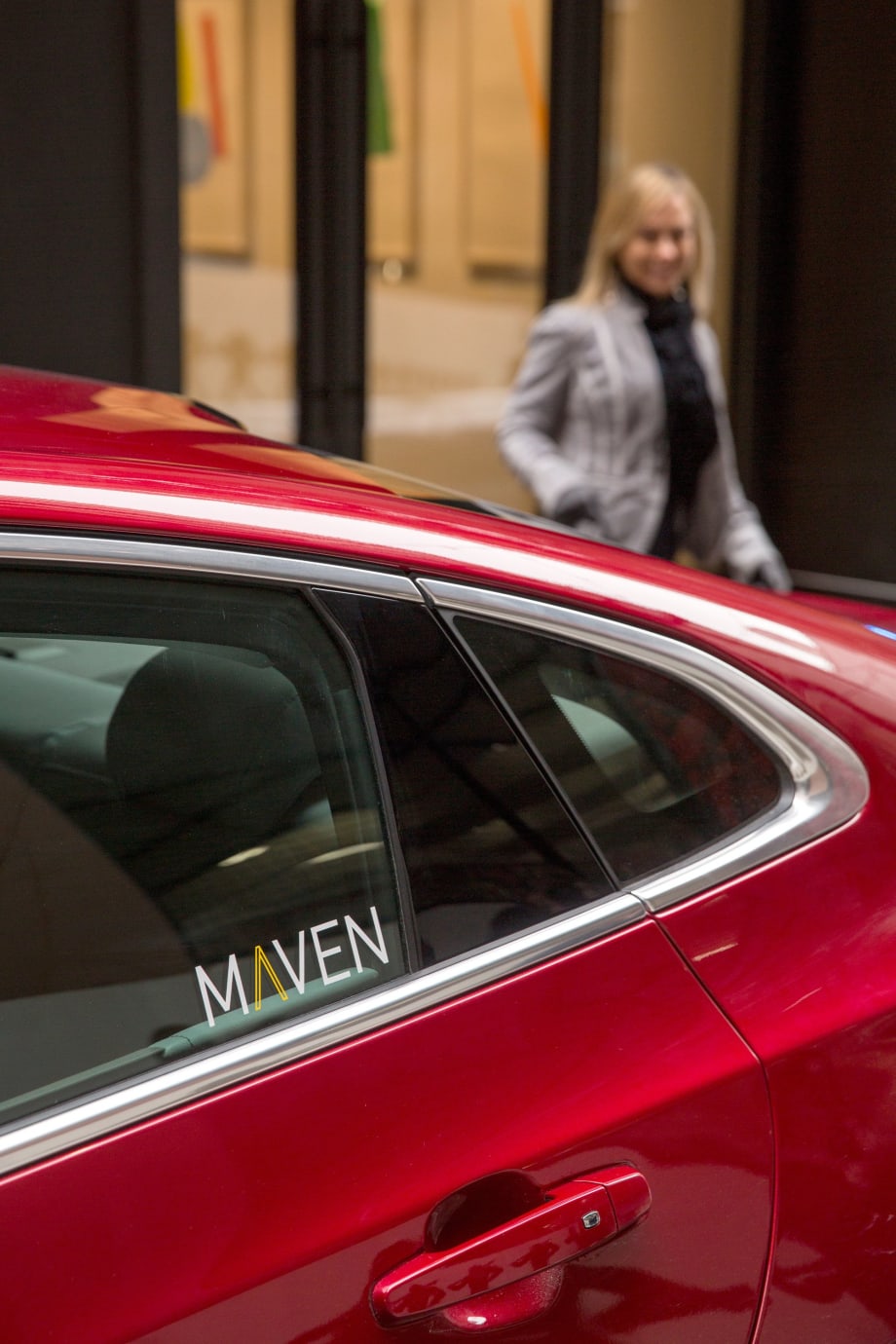
Photo courtesy of General Motors.
Photo courtesy of General Motors.
General Motors has announced its next step in personal mobility by launching a new carsharing service called Maven.
Maven’s mission is to give customers access to on-demand mobility services. The global Maven team includes more than 40 dedicated employees from the connected car technology industry as well as ride- and carsharing professionals from Google, Zipcar and Sidecar, according to GM.
“GM is at the forefront of redefining the future of personal mobility,” said Dan Ammann, president of GM. “With the launch of our carsharing service through Maven, the strategic alliance with ride-sharing company Lyft, and building on our decades of leadership in vehicle connectivity through OnStar, we are uniquely positioned to provide the high level of personalized mobility services our customers expect today and in the future.”
Maven customers will experience smartphone and keyless integration with the vehicle. Customers use its app to search for and reserve a vehicle by location or car type and unlock the vehicle with their smartphone, says GM. The app also enables remote functions such as starting, heating or cooling and more.
Starting this week, Maven is expanding in multiple cities and communities across the U.S., according to GM. Services are customized to regional customer needs and include city, residential, peer-to-peer and campus programs:
City: Maven is offering its carsharing program to more than 100,000 people in Ann Arbor, Mich., initially focusing on serving faculty and students at the University of Michigan. GM vehicles will initially be available at 21 parking spots across the city.
Ann Arbor users will have access to Maven leadership and core team members via the messaging application WhatsApp to share their experiences, ideas and thoughts with the team as they help shape the Maven service.
Additional city-based programs will launch in major U.S. metropolitan areas later this year.
Residential: In the first quarter of 2016, Maven will launch carsharing services for Chicago residents in partnership with Magellan Development Group. Maven is also expanding its existing residential program in New York City (previously called Let’s Drive NYC) with Stonehenge Partners giving users on-demand access to vehicles and preferred parking options.
Peer-to-Peer: Existing global initiatives include peer-to-peer carsharing through the CarUnity market place in Germany. Nearly 10,000 users have signed up in Frankfurt and Berlin since mid-2015.
Campus: Various programs are running on GM campuses in the U.S., Germany and China to refine and test future Maven commercial offerings.
“Maven provides on-demand access, choice and ease of use,” said Julia Steyn, GM vice president, Urban Mobility Programs. “The right vehicle and right mobility service for the right trip at the right time. With more than 25 million customers around the world projected to use some form of shared mobility by 2020, Maven is a key element of our strategy to changing ownership models in the automotive industry.”
For more information, visit www.mavendrive.com.
More Operations
Here's When You Should Make an Exception to Fleet Policy
Fleet policies are designed to create consistency, but not every driver or situation fits neatly within standard rules.
Read More →
AI-Native or AI-Acquired: What Should Fleet Managers Look for in an AI Platform?
Six questions can help fleet managers look beyond AI marketing claims to evaluate integration, data access, and real-world operational performance.
Read More →
A buyer's guide to fleet management software in 2027
Buying fleet management software in 2027 means looking beyond features and price. As fleet operations, technology and expectations evolve, this guide explores what today’s fleet professionals should consider when choosing a system that can deliver value now and adapt to what comes next.
Read More →

What Will Shape the Next Era of Fleet Management?
EVs, AI, and autonomous vehicles are reshaping fleet management. Discover what’s ahead—and how fleet leaders can prepare for the next era.
Read More →
How Fleets Can Recruit and Train Veterans for Technician Roles
Here's how the technician shortage has affected uptime for fleets, and what to do about it.
Read More →
Avis Budget Group Deploys Neology Toll Management Technology Across Major Brands
Neology’s neoFleet platform will manage toll transactions and toll-authority operations for vehicles across Avis, Budget, Payless, Budget Truck and Zipcar.
Read More →
Fleet Personal-Use Charges Edge Higher in 2026
Nearly eight in 10 surveyed fleets allow personal use of company vehicles, while just over half of respondents report charging employees for the privilege.
Read More →
The Future of Fleet + What’s Changing Right Now | AF News Recap
Could developments overseas offer a preview of what’s coming for U.S. fleets? This week, we’re looking at the future of AI, autonomy, and electrification, plus Ford Pro’s new certified pre-owned program, smarter vehicle offboarding, and a new way for fleets to manage toll expenses.
Read More →
How to Handle Vehicle Offboarding
What do fleet managers need to do when a driver leaves?
Read More →
Fleet Manager’s Ultimate Playbook: Navigating the New Standard in OEM Connectivity
Rising operating costs, driver safety concerns, and unplanned downtime are putting unprecedented pressure on modern fleets. Discover how fleet managers use embedded OEM connectivity and real-time vehicle data to cut TCO, prevent downtime, and protect drivers without aftermarket telematics hardware.
Read More →