




GM and Mascoma Enter Into Biofuels Relationship
WASHINGTON, D.C. – General Motors Corp. and Mascoma Corp. have formed a strategic relationship to develop cellulosic ethanol to help address increasing energy demand.
WASHINGTON, D.C. – General Motors Corp. and Mascoma Corp. have formed a strategic relationship to develop cellulosic ethanol focused on Mascoma's single-step biochemical conversion of non-grain biomass into low-carbon alternative fuels to help address increasing energy demand. The relationship, which includes an undisclosed equity investment by GM, complements an earlier investment in a cellulosic ethanol startup that uses a thermo-chemical process to make ethanol from non-grain sources.
"Taken together, these technologies represent what we see as the best in the cellulosic ethanol future and cover the spectrum in science and commercialization," said GM President Fritz Henderson. "Demonstrating the viability of sustainable non-grain based ethanol is critical to developing the infrastructure to support the flex-fuel vehicle market."
GM offers vehicles that can run on ordinary gasoline, E-85, or any combination of the two. There are more than 7 million flex-fuel vehicles on U.S. roads, 3 million of which are GM cars and trucks.
"These investments in leading-edge firms supports belief that ethanol has the greatest near-term potential as a clean-burning, renewable fuel that can help reduce oil dependence," Henderson said.
GM's multi-dimensional involvement with Mascoma will include projects to evaluate materials and other fuels for specific engine applications as well as collaborating on Mascoma's efforts to expand its commercialization projects globally, including promotion of increased biofuels distribution.
More Operations

Moventum Fleet Management Names Mark Iorillo Head of Sales
Iorillo brings nearly 20 years of fleet management and sales experience to the role, including previous positions at Element Fleet Management, CEI, Donlen and Ryder.
Read More →
Fleet Has a Talent Pipeline Problem. What Comes Next? | AF News Recap
Where will fleet’s next generation of leaders come from? This week, we’re looking at the industry’s talent pipeline, what certification can add to a fleet career, how to build an award-worthy track record, and the return of Automotive Fleet’s Personal Use Survey.
Read More →
Smith System Launches Driver Risk Management Program
Fleets have more driver data than ever, but identifying risky behavior doesn't necessarily correct it. Smith System's new Driver Risk Management program combines monitoring, training, and follow-up coaching to help fleets connect risk signals with driver intervention.
Read More →
Automotive Fleet Opens 2026 Personal Use Survey for Commercial Fleet Managers
Less than two weeks left! Commercial and corporate fleet managers are invited to share how their organizations handle company vehicle personal-use policies, charges, and driver eligibility.
Read More →
From AI Prompts to AI-Generated Safety Songs | AF News Recap
Can better prompts make AI more useful for fleet managers? This week, we’re breaking down smarter fleet analysis, an AI-assisted experiment that turned safety training into music, and what happened to fuel prices in August.
Read More →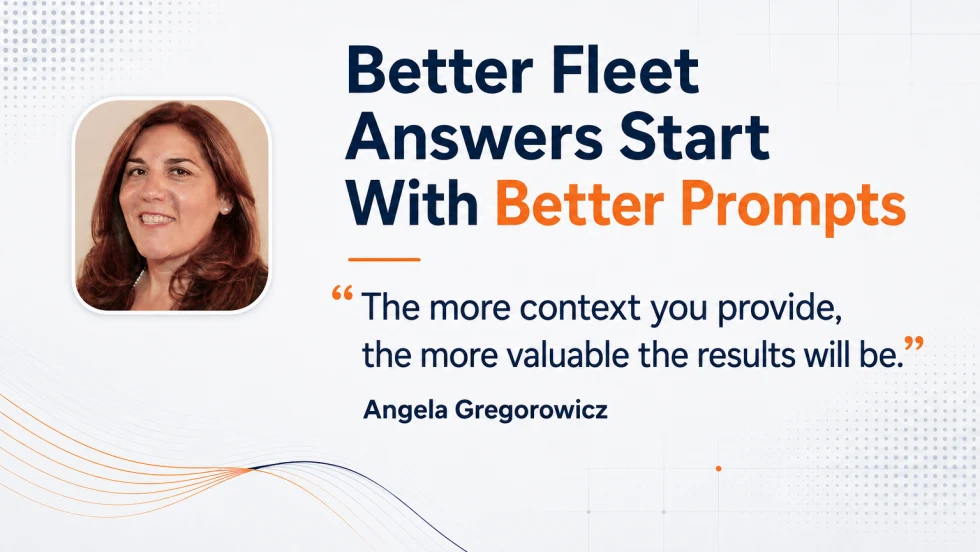
How to Write Better AI Prompts for Fleet Analysis
Include these six elements in your fleet prompts to generate more relevant analysis and accurate answers.
Read More →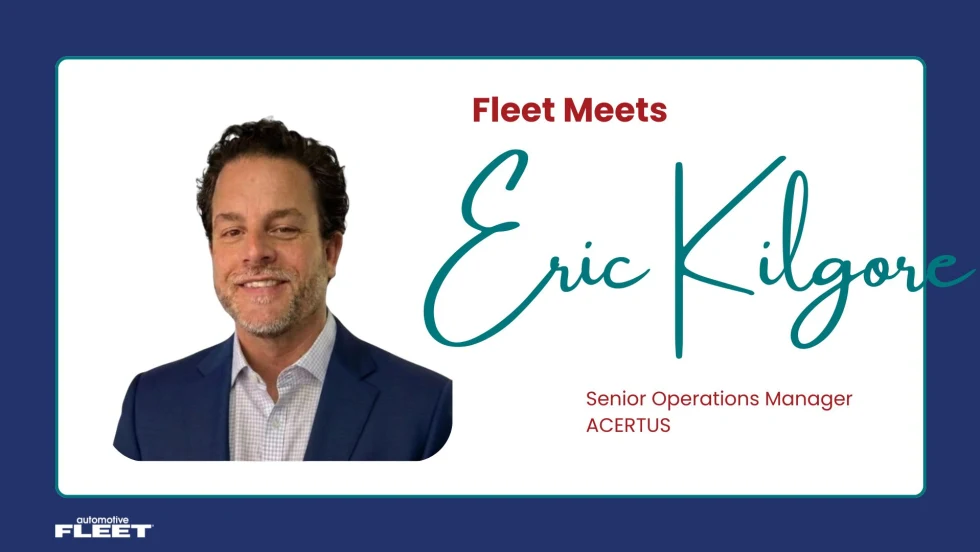
Fleet Meets: Eric Kilgore
This edition of the Fleet Meets series features one of the industry's best leaders driving multi-market and national operations.
Read More →
Why Reactive Fleet Management Is Becoming Too Expensive to Sustain
Research highlights a growing need for proactive management strategies to address rising costs in fleet operations effectively.
Read More →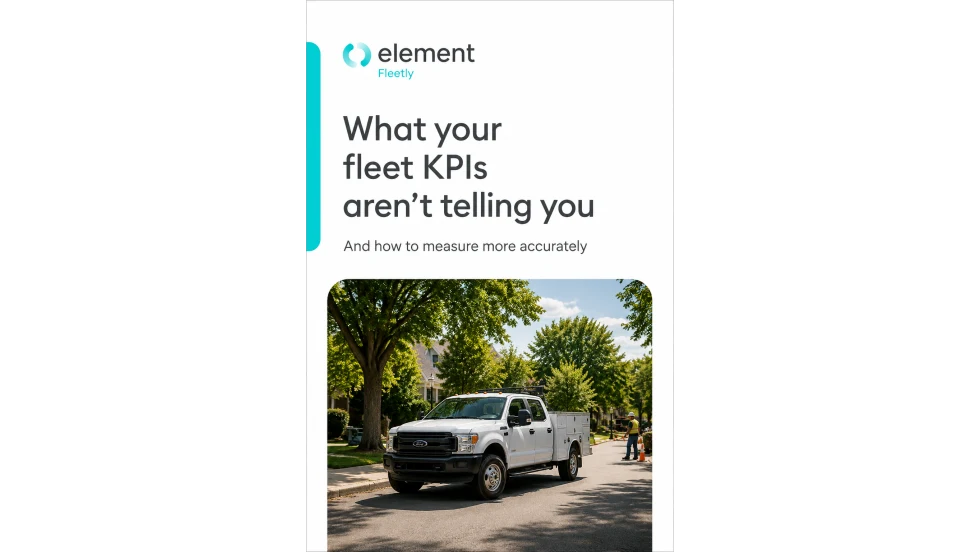
What Your Fleet KPIs Aren’t Telling You
Tracking fleet metrics is only useful when the data leads to better decisions. This guide helps fleet leaders assess cost, utilization, and downtime more accurately, identify performance gaps, and prioritize the actions that can improve operational results.
Read More →
Hidden in Plain Sight: Fleet Compliance Risks
Fleet compliance isn't just about having policies — it's about consistently enforcing them. This practical guide reveals six hidden compliance risks common in public sector and shared fleet operations and outlines proven strategies to improve visibility, accountability, and audit readiness
Read More →