




Gasoline-powered vehicles and hybrid cars that run on both gasoline and electricity will be more cost-effective than diesel engines for the foreseeable future for cutting U.S. oil use and polluting emissions linked to global warming, according to a report in Reuters on January 6. The study, from the Union of Concerned Scientists, comes as automakers and their allies in Congress promote diesel engines, despite poor sales in the U.S. market, as a way to address concerns about oil dependence and global warming. "Proponents should not oversell diesel technology as a silver bullet," said David Friedman, research director for UCS's Clean Vehicles Program and a co-author of the new report. "While diesels may eventually shed their image as an industry black sheep, they still can't match the pollution performance of today's cleanest gasoline cars." In its report, the group used detailed modeling to examine for the first time how diesel and gasoline vehicles competed among a variety of cars and trucks, applying improved engines and other conventional fuel-saving technologies that could be implemented today, as well as advanced and hybrid technologies that could be implemented within the next 10 to 15 years. Improved diesel and gasoline vehicles could reduce oil use compared to today's vehicles by as much as 40 percent using conventional technology, and hybrid-electrics could cut oil use by as much as 50 percent, according to the report. However the sticker price of diesel-run vehicles for similar reductions would be higher than improved gasoline and hybrid gas-electric vehicles. For example, it would cost a consumer about $2,800 over the price of today's vehicle for an improved diesel that could cut oil use by about 30 percent. That's 2.5 times more than it would cost to achieve the same reductions with an improved gasoline vehicle, the report found. The higher price of both improved diesel and gasoline vehicles are more than offset by reductions in fuel costs, on balance saving consumers between $400 and nearly $2,000 over a vehicle's useful life, the report said In all cases, the report finds that improved gasoline vehicles save consumers more money because of their substantially lower initial price tag. "New pollution controls may one day clean up diesel's dirty image," said Patricia Monahan, a senior analyst in UCS's Clean Vehicles Program and lead author of the new report. "But, head to head, our report shows that improved gasoline vehicles are the better buy," she said.
Gasoline Beats Diesel for Cleaner Autos, Study Says
Gasoline-powered vehicles and hybrid cars that run on both gasoline and electricity will be more cost-effective than diesel engines for the foreseeable future for cutting U.S. oil use and polluting emissions linked to global warming, according to a report in Reuters on January 6.
More Operations

BBL Fleet Acquires Velcor Leasing Corporation
BBL Fleet expanded its footprint in the fleet management industry with the acquisition of Velcor Leasing Corporation of Madison through a stock purchase agreement finalized Feb. 27, 2026.
Read More →
Lytx Introduces New AI Fleet Technologies at Protect 2026
The company introduced new AI-driven fleet safety and operations technologies during its annual user conference.
Read More →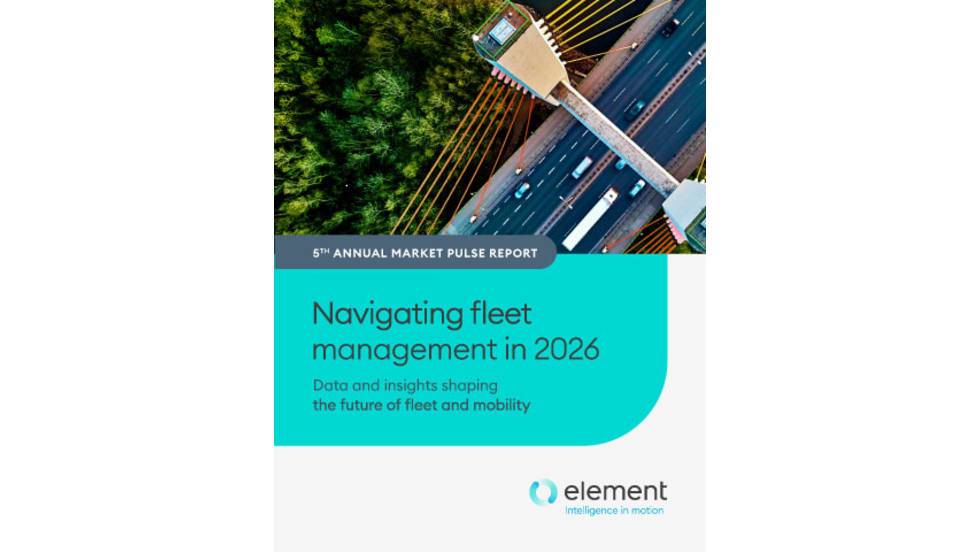
Fleet Costs Are Rising: Here’s How Leaders Are Responding
Fleet leaders are under pressure to reduce costs, adapt to economic uncertainty, and make smarter decisions. See how peers across North America are responding with real data, proven strategies, and forward-looking insights. Download the 2026 Market Pulse Report to benchmark your strategy and uncover where you can gain an edge.
Read More →
From Waffle House to AI: Fleet Trends You Need to Know
In this AF news recap, host Faith Howell covers how Waffle House stepped up during disaster response and new AI tech on the market.
Read More →
Fleet Operations in the Age of AI: Navigating Ethical and Legal Challenges
AI is no longer a future concept for fleets—it’s already embedded in the tools, data, and decisions that operators rely on every day. In this episode of the Fleet Forward Podcast, recorded live at Fleet Forward, industry leaders take the conversation beyond hype to examine what responsible AI adoption really looks like in fleet operations.
Read More →
Factory Installed vs. Aftermarket: Choosing the Right Telematics Path & Managing the Data
As fleets rethink how they capture, manage, and act on vehicle data, telematics is at a major inflection point. In this episode of the Fleet Forward Podcast, we dive deep into one of the most pressing questions facing fleet leaders today: Should you rely on OEM factory-installed connectivity, aftermarket devices, or a hybrid of both?
Read More →
What Real-Time Data Reveals About EV Cost, Performance, and Scalability
Experts from telematics analytics, fleet-as-a-service operations, and national EV benchmarking share how real-time data is reshaping fleet strategy—dispelling assumptions, validating best practices, and exposing costly missteps.
Read More →
Planning Through Policy Shifts: What Fleets Must Track in 2026
A powerhouse panel featuring experts from the American Automotive Leasing Association, CalSTART, and municipal fleet leadership dives into the realities of navigating shifting emissions rules, regulatory waivers, federal agency actions, the future of the EPA’s endangerment finding, and the push for unified standards. They also examine the impacts of tariffs, autonomous vehicle policy, battery innovation, and the accelerating global EV market.
Read More →
Managing Market Turbulence with Strategic Fleet Insights
This episode kicks off with a deep dive into the technologies and market forces reshaping today’s fleet landscape. Host Chris Brown is joined by Laolu Adeola (Leke Services), Tyson Jomini (J.D. Power), and Richard Hall (ZappiRide) to break down real-world data, shifting incentives, and practical strategies fleet leaders can use right now.
Read More →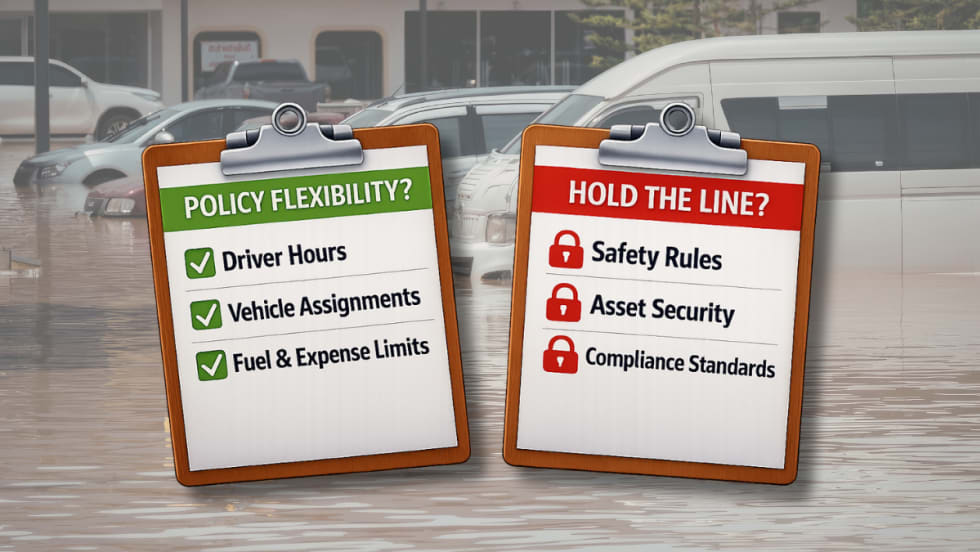
Adapting Fleet Policy When Disasters Strike
In the middle of natural disasters fleet managers must shift priorities to protect people and assets. What policy items should be loosened, and when should the line be held?
Read More →