




Fuel Efficiency Projects Awarded $187M DOE Funding
WASHINGTON - The U.S. Department of Energy (DOE) has selected nine projects totaling more than $187 million to improve fuel efficiency for heavy-duty trucks and passenger vehicles.
WASHINGTON- The U.S. Department of Energy (DOE) has selected nine projects totaling more than $187 million to improve fuel efficiency for heavy-duty trucks and passenger vehicles.
The funding includes more than $100 million from the American Recovery and Reinvestment Act, and with a private cost share of 50 percent, will support nearly $375 million in total research, development, and demonstration projects across the country.
"Improving the efficiency of our vehicles is critical to reducing America's dependence on foreign oil and addressing climate change," said DOE Secretary Chu. "[These] awards will help demonstrate the potential benefits for long-haul trucks and passenger vehicles and will play an important role in building a more sustainable transportation system for the country."
Three projects will focus on cost-effective measures to improve the efficiency of Class 8 long-haul freight trucks by 50 percent. These projects will receive more than $115 million in funding to develop and demonstrate systems-level fuel efficiency technologies by 2015, including improved aerodynamics, reducing engine idling technologies, waste heat recovery to increase engine efficiency, advanced combustion techniques, and powertrain hybridization.
The remaining six projects totaling more than $71 million will support efforts to increase the fuel economy for passenger vehicle engines and powertrain systems. The goal is to develop engine technologies that will improve the fuel economy of passenger vehicles by 25-40 percent by 2015 using an engine-only approach.
Systems Level Technology Development, Integration, and Demonstration for Efficient Class 8 Trucks (SuperTrucks)
Cummins Inc. - $38,831,115 - Columbus, Indiana - Develop and demonstrate a highly efficient and clean diesel engine, an advanced waste heat recovery system, an aerodynamic Peterbilt tractor and trailer combination, and a fuel cell auxiliary power unit to reduce engine idling.
Daimler Trucks North America, LLC - $39,559,868 - Portland, Oregon - Develop and demonstrate technologies including engine downsizing, electrification of auxiliary systems such as oil and water pumps, waste heat recovery, improved aerodynamics and hybridization.
Navistar, Inc. - $37,328,933 - Fort Wayne, Indiana - Develop and demonstrate technologies to improve truck and trailer aerodynamics, combustion efficiency, waste heat recovery, hybridization, idle reduction, and reduced rolling resistance tires.
Advanced Technology Powertrains for Light-Duty Vehicles (ATP-LD)
Chrysler Group LLC - $14,458,572 - Auburn Hills, Michigan - Develop a flexible combustion system for their minivan platform based on a downsized, turbocharged engine that uses direct gasoline injection, recirculation of exhaust gases, and flexible intake air control to reduce emissions.
Cummins Inc. - $15,000,000 - Columbus, Indiana - Develop a fuel-efficient, low emissions diesel engine that achieves a 40 percent fuel economy improvement over conventional gasoline technology and significantly exceeds 2010 EPA emissions requirements.
Delphi Automotive Systems LLC - $7,480,572 - Troy, Michigan - Develop a novel low-temperature combustion system, coupled with technologies such as continuously variable valve control and engine downspeeding, to improve fuel economy by at least 25 percent.
Ford Motor Company - $15,000,000 - Dearborn, Michigan - Achieve a 25 percent fuel economy improvement with a gasoline engine in a 2010 mid- to large-size sedan using technologies including engine downsizing, turbo-charging, direct injection, and a novel exhaust aftertreatment system.
General Motors Co. - $7,705,862 - Pontiac, Michigan - Develop an engine that uses lean combustion and active heat management, as well as a novel emissions control system, to improve the fuel economy of a 2010 Malibu demonstration vehicle by 25 percent.
Robert Bosch - $11,953,786 - Farmington Hills, Michigan - Demonstrate a high compression, turbo-charged engine based on homogenous charge compression ignition technology (a combustion technology that allows for lower emissions and higher efficiency) to achieve up to 30 percent fuel economy improvement in a gasoline-fueled light-duty vehicle.
More Fuel

Turning Fleet Payment Data into Executive Insights
Ramel Lindsay of U.S. Bank Voyager discusses how fleets can transform payment and transaction data into actionable intelligence to reduce costs, improve oversight, and support executive decision-making.
Read More →
Why the IRS Raised Its Mileage Rate in the Middle of 2026
Fuel-price volatility drove the rare increase to 76 cents per mile, the fifth midyear adjustment since 2000.
Read More →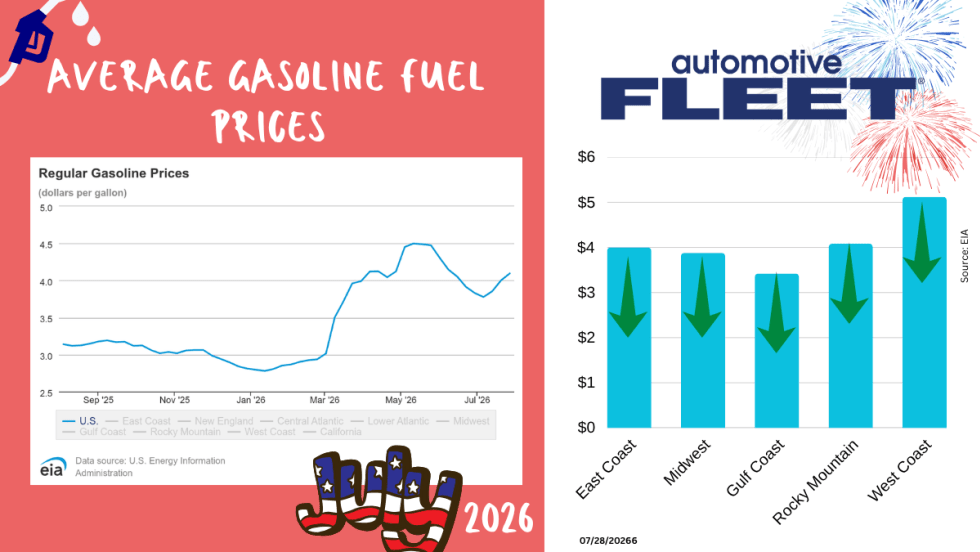
July Fuel Update: Prices Keep Rising in Light of More Conflict
Gas prices continue to rise as more and more conflicts do, too.
Read More →
Bob Adamsky on Fuel Volatility: "Don't Panic, Have a Plan."
When it comes to up and down fuel prices, Adamsky has a message for fleets: “Don’t panic.”
Read More →
How Fleets Can Gain Control of Non-Fuel Spend
Fuel often gets the spotlight, but non-fuel expenses can have a major impact on fleet costs. Ramel Lindsay of U.S. Bank Voyager discusses how fleets can gain better visibility and control over these often-overlooked expenditures.
Read More →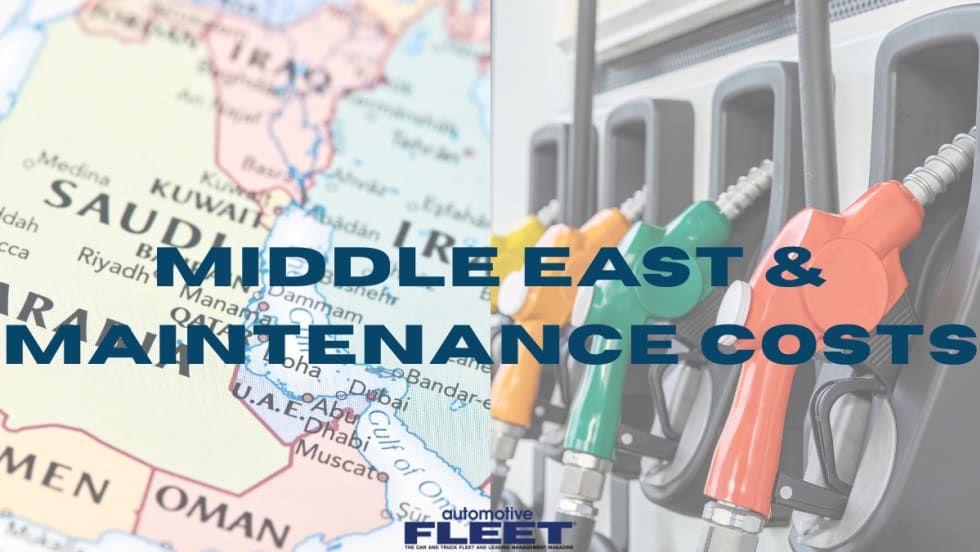
Fuel is Just the Start: How Middle East Tensions are Driving Up Fleet Maintenance Costs
The Middle East conflict is doing more than pushing up fuel prices. It’s also raising the cost of key maintenance products your fleet depends on, from motor oil to tires to windshield wipers. Here’s what you need to know about this budget-busting situation.
Read More →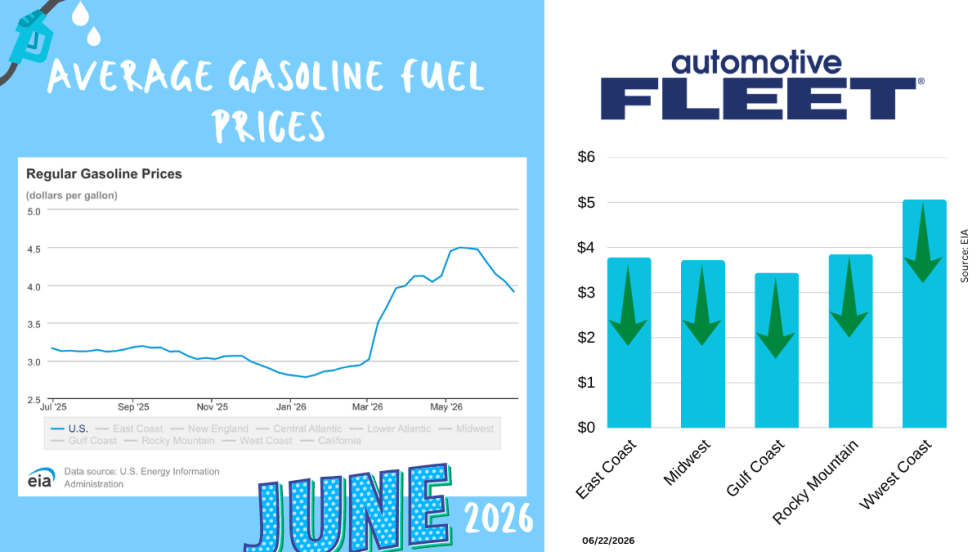
June Fuel Update: Prices Fall Below $4
Drivers are finally getting some relief at the pump. The national average gas price has dropped below $4 a gallon for the first time in months, with prices falling in 47 states as oil markets react to developments in U.S.-Iran negotiations.
Read More →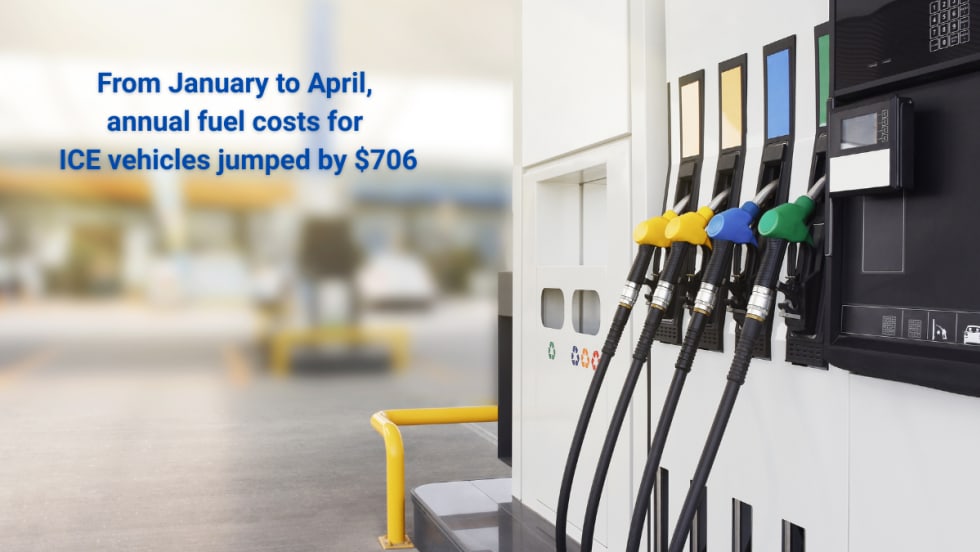
Study: How 2026's Gas Price Hikes Affect Different Vehicle Types
New data from iSeeCars reveals how rising fuel costs have affected different vehicle segments as gasoline prices climbed nearly 46% over the past four months.
Read More →
Are You Tracking Your Fleet's True Total Cost of Ownership?
Bobit Business Media surveyed 190 fleet professionals and found that while most fleets are tracking costs, fragmented systems and data gaps are keeping true TCO visibility out of reach. With rising pressure to control spend in an increasingly volatile environment, the gap between what fleets think they know and what the data actually shows is wider than you might expect. See how your peers are managing costs today and where the industry still has room to improve.
Read More →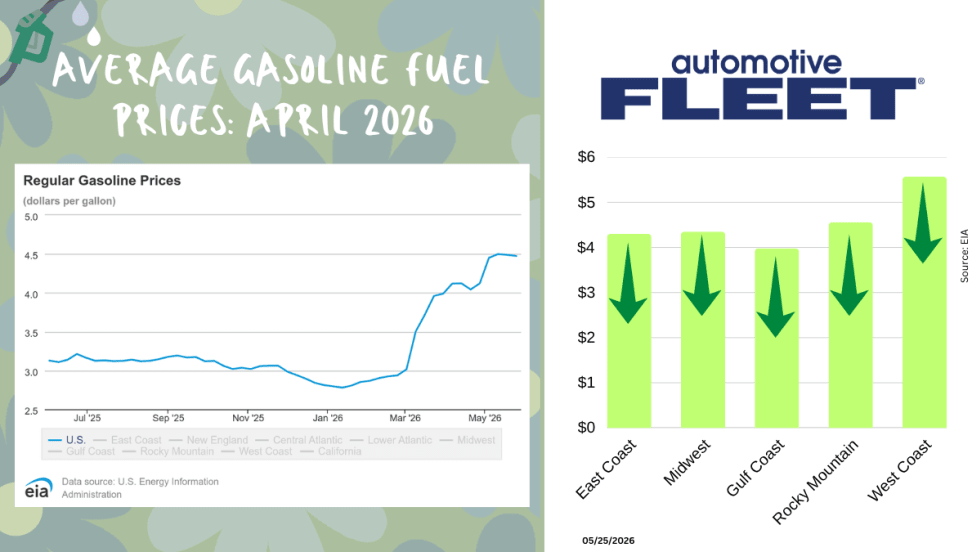
May Fuel Update: All Regions Experience Declines
Gas prices are finally easing in much of the country, but experts warn global tensions could quickly reverse the trend as the national average remains well above last month’s levels.
Read More →