




The Federal Trade Commission (FTC) on Monday, Oct. 2, accepted a proposed consent order that would resolve the antitrust issues arising from the acquisition by Manheim Auctions Inc. of ADT Automotive Holdings Inc.
The order would require Manheim to divest nine auctions in seven geographic markets, including an auction in Phoenix, where Manheim acquired a monopoly through an earlier transaction. Manheim, owned by Cox Enterprises Inc., is the country's leading operator of wholesale motor vehicle auctions. It operates 65 auctions nationwide and sold 4.1 million vehicles in 1999. ADT, a subsidiary of Tyco International Inc., is the nation's third-largest auction chain, with 28 auctions in the United States and sales of 1.3 million vehicles in 1999. Wholesale motor vehicle auctions provide a cluster of services to sellers of used vehicles, including marshaling cars, preparing condition reports, attracting potential buyers, and reporting auction results.
Unlike small auctions that serve regional customers, major wholesale auctions supply extensive and sophisticated services like advanced computer technology and complete body work to auto manufacturers, national finance companies, and other high-volume sellers of used vehicles.
According to the FTC’s complaint, Manheim's acquisition of ADT would reduce competition in the provision of major wholesale auction services in six geographic markets, in violation of the Clayton Act and the FTC Act. These geographic markets are: 1) the greater metropolitan area of Kansas City, MO; 2) the Colorado Front Range, which includes the greater metropolitan areas of Denver and Colorado Springs, CO; 3) the greater metropolitan area of Atlanta; 4) the greater metropolitan area of San Francisco; 5) the greater metropolitan area of Seattle; and 6) the I-4 Corridor of Florida, which includes the greater metropolitan areas of Tampa, Orlando and Daytona Beach, FL.
In each of these markets, the proposed acquisition would give Manheim a monopoly over major wholesale auction services and create a substantial risk of reduced service levels or higher prices. The complaint also alleges that Manheim acquired a monopoly of major auctions in Phoenix in 1996, when it acquired from JM Family Enterprises Inc., a controlling interest in its only major auction competitor there.
The FTC contends that new entry into the relevant markets would not be likely, timely or sufficient to prevent or counter the anticompetitive effects of the proposed merger. Building an auction requires substantial amounts of capital and entails significant assumption of risk. Consequently, major auctions must sell a high volume of motor vehicles to be profitable. Sellers are reluctant to use the services of an auction that does not have an existing base of strong buyers, and buyers are reluctant to attend an auction that does not have a significant number of participating sellers.
Under the terms of the proposed consent order, Manheim and ADT would be required to divest eight ADT auctions, along with one of Manheim's major auctions in Phoenix, to ADESA Corp. Based in Indianapolis, ADESA is a large chain with 30 auction sites throughout the United States. The FTC is satisfied that ADESA has the expertise, resources and incentives to replace the competition lost due to Manheim's acquisition of ADT. Furthermore, ADESA poses no separate competitive issues as the acquirer of the divested assets.
Under the proposed order, if ADESA is not found to be an acceptable acquirer, or the agreement with ADESA does not prove to be an acceptable manner of divestiture, the companies must immediately rescind the transaction and divest the auctions to an FTC-approved buyer in an acceptable manner within six months after the order becomes final. The order requires the companies to use their best efforts to maintain the auctions as they would in the ordinary course of business until they are divested. If the companies fail to divest the required assets within the time allotted, the order would enable the FTC to appoint a trustee to divest any remaining assets to satisfy its terms.
The companies would also be prohibited from soliciting or hiring employees away from the divested auctions for one year after the divestitures occur. The companies would have to report to the FTC on their compliance with the order within 30 days of the date it is finalized and every 30 days thereafter until the proposed divestitures have been completed. Annual reports would also be required. The order would require the parties to provide written notice to the FTC before acquiring an interest in any wholesale auction facility in the relevant geographic markets. The order will terminate as to Manheim and Cox in 10 years, and as to ADT and Tyco when the eight ADT auctions are completely divested. Manheim and ADT would be subject to civil penalties and other relief if they fail to comply with any of the order's provisions. The FTC vote to accept the proposed consent agreement was 5-0. An announcement regarding the proposed consent agreement will be published in the Federal Register shortly, and will be subject to public comment for 30 days, until Oct. 31, 2000, after which the FTC will decide whether to make it final. Comments should be addressed to the FTC, Office of the Secretary, 600 Pennsylvania Avenue, NW, Washington, DC 20580.
FTC Agreement Allows Aquisition of ADT Auto Holdings by Manheim Auctions
More Operations
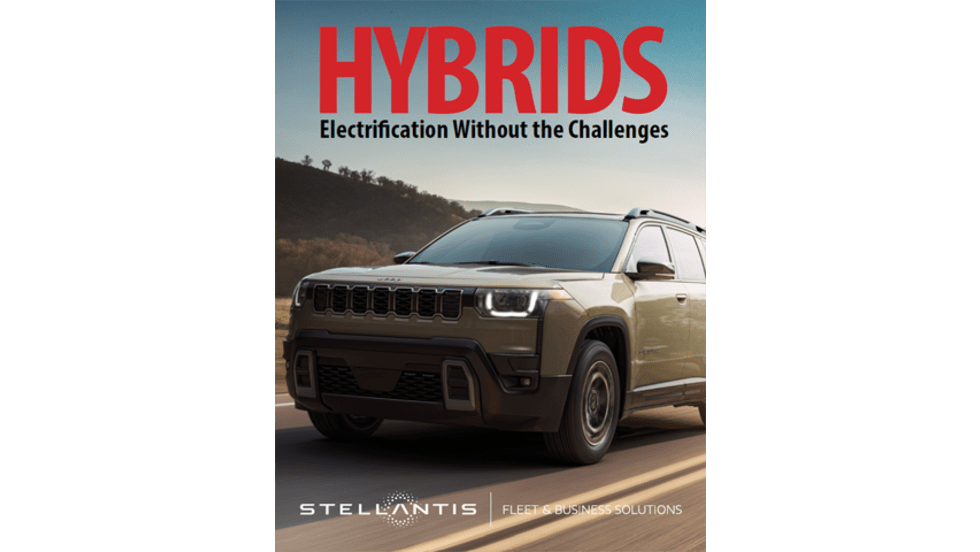
Hybrids: Electrification Without the Challenges
For fleet managers, fuel is one of the biggest line items in the budget — and it's one hybrids can shrink without changing how your people work. Download the eBook to see the numbers, understand the technology, and get a step-by-step guide to making the switch.
Read More →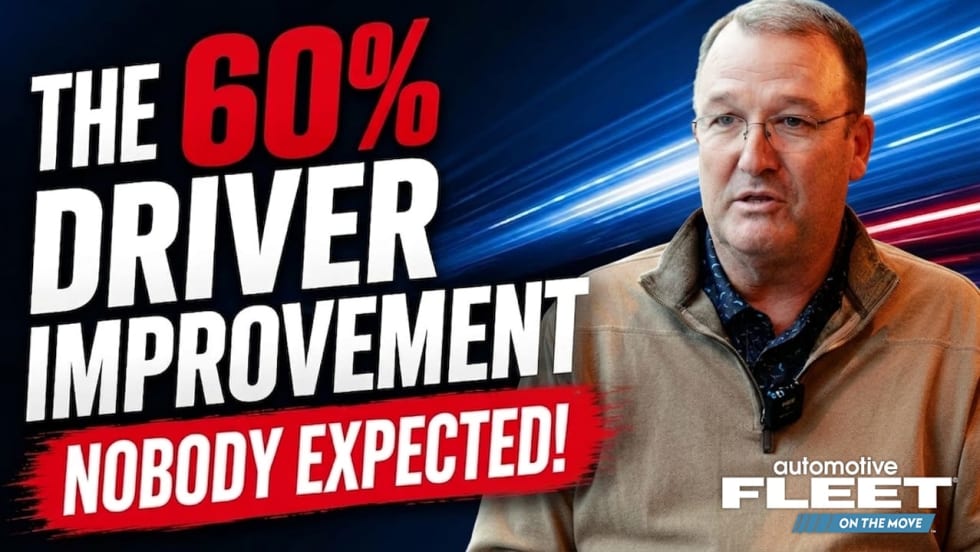
How NOV Uses Telematics to Improve Fleet Safety Across 160 Locations
James Victory of NOV discusses how the company manages fleet safety, maintenance, and telematics across more than 150 locations supporting oilfield operations throughout the U.S.
Read More →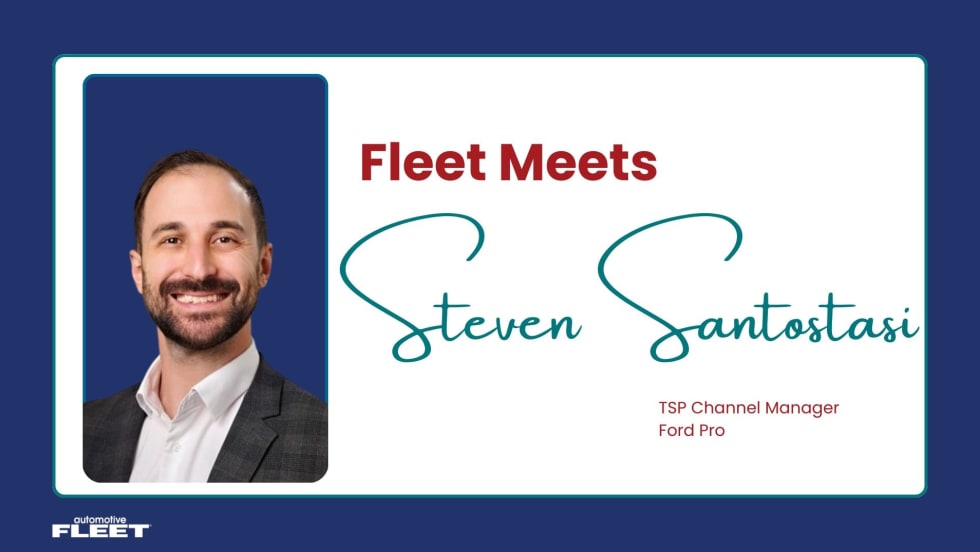
Fleet Meets: Steven Santostasi
This edition of the Fleet Meets series features Steven Santostasi, the current TSP channel manager for Ford Pro.
Read More →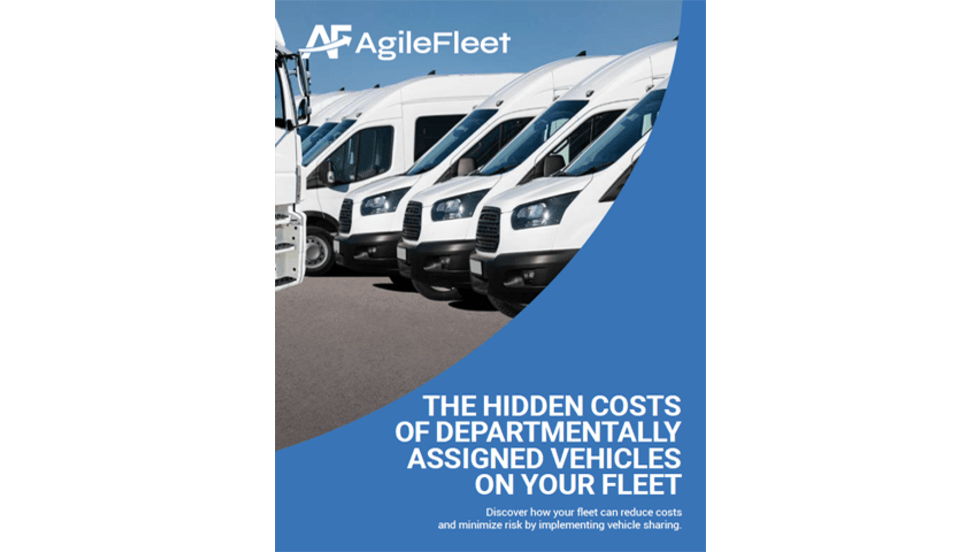
Why Fleet Managers Are Replacing Departmental Vehicles with Shared Motor Pools
Departmentally assigned vehicles often create hidden costs through underutilization, poor visibility, and increased administrative burden. This white paper explores how shared motor pool strategies help fleets reduce costs, improve accountability, and optimize vehicle utilization.
Read More →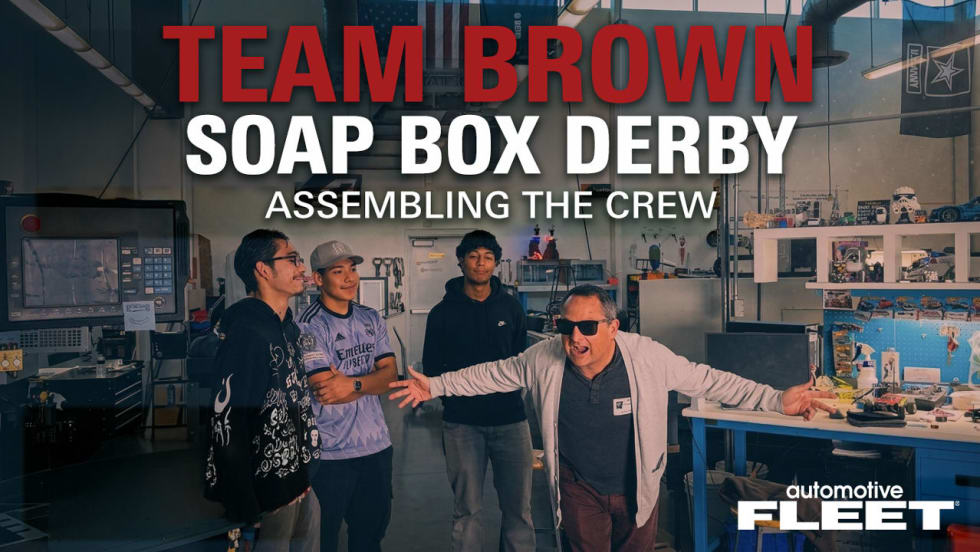
Soap Box Derby Challenge: Assembling the Crew
Meet Gabriel, Matthew, and Angel — the team helping bring this soap box derby build to life.
Read More →
BBL Fleet Acquires Velcor Leasing Corporation
BBL Fleet expanded its footprint in the fleet management industry with the acquisition of Velcor Leasing Corporation of Madison through a stock purchase agreement finalized Feb. 27, 2026.
Read More →
Lytx Introduces New AI Fleet Technologies at Protect 2026
The company introduced new AI-driven fleet safety and operations technologies during its annual user conference.
Read More →
Fleet Costs Are Rising: Here’s How Leaders Are Responding
Fleet leaders are under pressure to reduce costs, adapt to economic uncertainty, and make smarter decisions. See how peers across North America are responding with real data, proven strategies, and forward-looking insights. Download the 2026 Market Pulse Report to benchmark your strategy and uncover where you can gain an edge.
Read More →
From Waffle House to AI: Fleet Trends You Need to Know
In this AF news recap, host Faith Howell covers how Waffle House stepped up during disaster response and new AI tech on the market.
Read More →
Fleet Operations in the Age of AI: Navigating Ethical and Legal Challenges
AI is no longer a future concept for fleets—it’s already embedded in the tools, data, and decisions that operators rely on every day. In this episode of the Fleet Forward Podcast, recorded live at Fleet Forward, industry leaders take the conversation beyond hype to examine what responsible AI adoption really looks like in fleet operations.
Read More →