




Frost & Sullivan: Pros and Cons of Hydrogen in Autos
Much has been made in recent years of the possibility that fuel-cell-powered electric vehicles (FCEVs) might provide substantial reductions in automotive energy consumption and emissions. However, while some automakers concentrate on developing FCEVs, others are de-veloping vehicles that burn hydrogen instead of gasoline in internal combustion engines (ICEs).
According to research done by Frost & Sullivan, advantages of hydrogen as a fuel in internal combustion engines are:
Hydrogen is a renewable fuel that can be derived from water through electrolysis, and it can be extracted from petroleum or natural gas.
Since there is no carbon in hydrogen fuel, there are virtually no tailpipe emissions of carbon monoxide or carbon dioxide (CO2). Thus, hydrogen may help automakers meet the CO2 regulation that California is considering.
Automakers have substantial experience with internal combustion engines, while fuel cells are a relatively new technology.
Research by the company indicates that energy efficiency of a hydrogen ICE is 20 to 25 percent better than that of a gasoline ICE because a hydrogen ICE resembles a diesel engine in some of its operating characteristics. Specifically:Hydrogen can be used at very lean air:fuel ratios.
Hydrogen can be used in higher-compression engines.
A hydrogen-fueled engine can be controlled without a throttle.
Unfortunately, hydrogen also has a number of disadvantages in this use. According to the com-pany, if hydrogen is combusted near its stoichiometric air:fuel ratio, high combustion temperatures result in the formation of oxides of nitrogen (NOx), which have to be cleaned up by a catalytic converter. By volume, a vehicle uses 3.5 times more liquid hydrogen than gasoline, so fuel storage takes substantial space onboard a vehicle. (This problem can be mitigated by designing a vehicle specifically for hydrogen storage. Today's test vehicles are converted gasoline-powered cars.) Whether as a compressed gas or a super-cooled liquid, hydrogen is more difficult to handle than gasoline. Refueling with compressed hydrogen is similar to refueling with compressed natural gas. The cost of hydrogen may be higher on a per-mile basis than today's cost of gasoline, even when hydrogen is produced in large volume for use as a fuel. In particular, liquefaction (turning gaseous hydrogen into a super-cooled liquid) is expensive. A hydrogen refueling infrastructure would have to be developed. Liquid hydrogen tanks have to be well-insulated and gaseous hydrogen tanks have to withstand high pressure, so they add to a vehicle's cost. Up to two percent of the fuel in a liquid hydrogen tank can be lost to evaporation per day. BMW and Ford Motor Company are two leading developers of hydrogen-fueled ICE vehicles. BMW regards ICE-powered vehicles as more suited to its performance orientation than FCEVs, and doubts that fuel cells will be robust enough for automotive application any time soon. Ford regards FCEVs as the ultimate goal, with hydrogen-fueled ICE vehicles as possibly easing a transition to FCEVs. Ford is developing hydrogen ICE and FCEV technologies simultaneously. If demand existed, hydrogen-fueled ICE vehicles could be put into large-scale production within a few years, because these vehicles represent a relatively small leap in technology. According to the company, hydrogen-fueled ICE vehicles are technically feasible, but the economic aspect of supplying hydrogen remains a major hurdle.
More Operations

Moventum Fleet Management Names Mark Iorillo Head of Sales
Iorillo brings nearly 20 years of fleet management and sales experience to the role, including previous positions at Element Fleet Management, CEI, Donlen and Ryder.
Read More →
Fleet Has a Talent Pipeline Problem. What Comes Next? | AF News Recap
Where will fleet’s next generation of leaders come from? This week, we’re looking at the industry’s talent pipeline, what certification can add to a fleet career, how to build an award-worthy track record, and the return of Automotive Fleet’s Personal Use Survey.
Read More →
Smith System Launches Driver Risk Management Program
Fleets have more driver data than ever, but identifying risky behavior doesn't necessarily correct it. Smith System's new Driver Risk Management program combines monitoring, training, and follow-up coaching to help fleets connect risk signals with driver intervention.
Read More →
Automotive Fleet Opens 2026 Personal Use Survey for Commercial Fleet Managers
Less than two weeks left! Commercial and corporate fleet managers are invited to share how their organizations handle company vehicle personal-use policies, charges, and driver eligibility.
Read More →
From AI Prompts to AI-Generated Safety Songs | AF News Recap
Can better prompts make AI more useful for fleet managers? This week, we’re breaking down smarter fleet analysis, an AI-assisted experiment that turned safety training into music, and what happened to fuel prices in August.
Read More →
How to Write Better AI Prompts for Fleet Analysis
Include these six elements in your fleet prompts to generate more relevant analysis and accurate answers.
Read More →
Fleet Meets: Eric Kilgore
This edition of the Fleet Meets series features one of the industry's best leaders driving multi-market and national operations.
Read More →
Why Reactive Fleet Management Is Becoming Too Expensive to Sustain
Research highlights a growing need for proactive management strategies to address rising costs in fleet operations effectively.
Read More →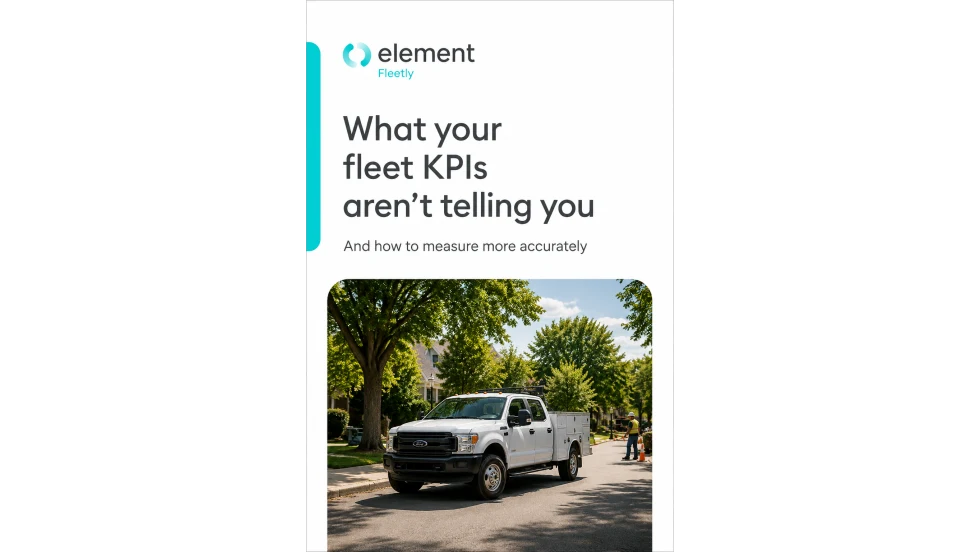
What Your Fleet KPIs Aren’t Telling You
Tracking fleet metrics is only useful when the data leads to better decisions. This guide helps fleet leaders assess cost, utilization, and downtime more accurately, identify performance gaps, and prioritize the actions that can improve operational results.
Read More →
Hidden in Plain Sight: Fleet Compliance Risks
Fleet compliance isn't just about having policies — it's about consistently enforcing them. This practical guide reveals six hidden compliance risks common in public sector and shared fleet operations and outlines proven strategies to improve visibility, accountability, and audit readiness
Read More →