




Freightliner Changes Company Name to Daimler Trucks North America LLC
PORTLAND, OR – Freightliner LLC will change its corporate name to Daimler Trucks North America LLC, effective Jan. 7.
PORTLAND, OR – Freightliner LLC will change its corporate name to Daimler Trucks North America LLC, effective Jan. 7. The shareholders of the former DaimlerChrysler AG approved a corporate name change to Daimler AG at a special meeting on Oct. 4. Freightliner LLC has been a part of Daimler AG or one of its predecessor companies since 1981.
A new Daimler logo has been unveiled in Stuttgart and in Daimler business units worldwide, underscoring the company transformation that commenced with the divestiture of the former Chrysler Group (now Chrysler LLC) on Aug. 3. At the same time, the name of the former DaimlerChrysler Truck Group was changed to Daimler Trucks.
Freightliner LLC, soon to be Daimler Trucks North America, manufactures, distributes, and services products under the nameplates Detroit Diesel, Freightliner Trucks, Freightliner Custom Chassis, Mercedes-Benz engines and transmissions, Sterling Trucks, Thomas Built Buses, and Western Star Trucks, and is a leader in each of the markets in which it competes.
In historical terms, the brands represented by Freightliner LLC have played an integral part in North American and global trucking for many years (brand inception dates noted):
Mercedes-Benz (1926).
Thomas Built Buses (1936).
Detroit Diesel (1938).
Freightliner (1942).
Western Star (1967).
Sterling (1998).
Elsewhere in the world, the company is affiliated with Mercedes-Benz Trucks, and Mitsubishi Fuso Trucks and Buses, each, in turn, leaders in their competitive arenas and part of the global Daimler Trucks division.
“Our business has changed dramatically in the past decade, and our name should reflect that reality,” stated Chris Patterson, president and CEO. “The transition occurring in our parent company presented us with the opportunity to stop and examine our own organization and position in the industry. The time is right to implement a name change that reflects both our global DNA and our broad responsibilities within the NAFTA region.”
Company officials stress that existing operations, structure, and brand strategies will not be affected. They also affirm that the name change will not impact dealer operations or supplier relationships.
“We are confident and comfortable that our employees, dealers, customers, and suppliers will see this as a non-issue in their day-to-day operations,” stated Patterson. “Our strength has always resided in the products we produce under our various nameplates and the services we provide. That won’t change at all.”
More Operations
How to Manage Conflict for Your Fleet Operations
Conflict management is becoming a core leadership skill. Here are five strategies fleet leaders should know.
Read More →
Turning Connected Vehicle Data Into Decisions That Matter
Fleet leaders have more data than ever, but turning that data into clear, actionable decisions remains a challenge. This white paper shows how leading organizations are using connected vehicle data to improve safety, reduce costs, and optimize fleet performance. Learn how to turn insight into action across your fleet.
Read More →
Cameras, Safety and Insurance: From Reactive Claims to Real-time Prevention
Commercial auto remains one of the most challenging and costly lines of coverage for fleet operators and insurers alike. Learn more about how to effectively address these issues from Onur Aksan, Enterprise Business Development Executive, Geotab.
Read More →

Are You Tracking Your Fleet's True Total Cost of Ownership?
Bobit Business Media surveyed 190 fleet professionals and found that while most fleets are tracking costs, fragmented systems and data gaps are keeping true TCO visibility out of reach. With rising pressure to control spend in an increasingly volatile environment, the gap between what fleets think they know and what the data actually shows is wider than you might expect. See how your peers are managing costs today and where the industry still has room to improve.
Read More →
Turn Fleet Data Into Smarter Decisions
Fleet leaders have access to more operational data than ever, but disconnected systems and unclear metrics often slow decision-making instead of improving it. This article outlines five practical steps fleets can take to transform fragmented data into actionable insights that improve planning, safety, utilization, and long-term performance.
Read More →
Hybrids: Electrification Without the Challenges
For fleet managers, fuel is one of the biggest line items in the budget — and it's one hybrids can shrink without changing how your people work. Download the eBook to see the numbers, understand the technology, and get a step-by-step guide to making the switch.
Read More →
How NOV Uses Telematics to Improve Fleet Safety Across 160 Locations
James Victory of NOV discusses how the company manages fleet safety, maintenance, and telematics across more than 150 locations supporting oilfield operations throughout the U.S.
Read More →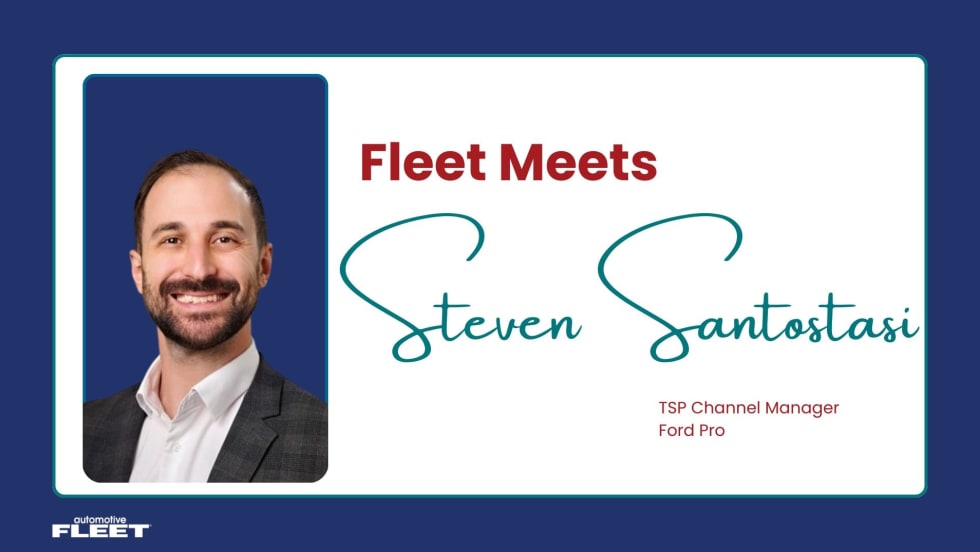
Fleet Meets: Steven Santostasi
This edition of the Fleet Meets series features Steven Santostasi, the current TSP channel manager for Ford Pro.
Read More →
Why Fleet Managers Are Replacing Departmental Vehicles with Shared Motor Pools
Departmentally assigned vehicles often create hidden costs through underutilization, poor visibility, and increased administrative burden. This white paper explores how shared motor pool strategies help fleets reduce costs, improve accountability, and optimize vehicle utilization.
Read More →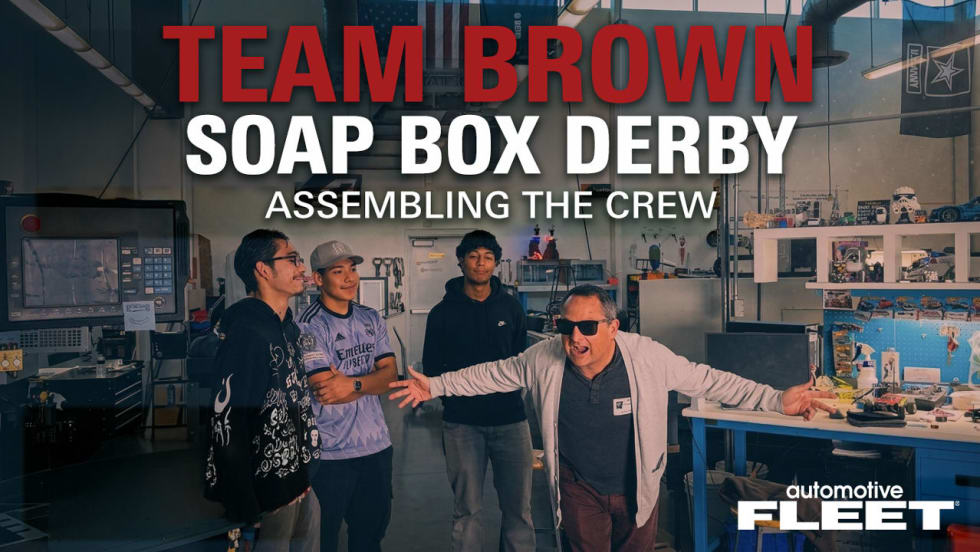
Soap Box Derby Challenge: Assembling the Crew
Meet Gabriel, Matthew, and Angel — the team helping bring this soap box derby build to life.
Read More →