




Foxconn’s EV Ambition to Take-Off in Thailand
Taiwan-based smartphone manufacturing giant Hon Hai Precision Industry Co. (Foxconn) and state-owned oil supplier PTT PLC have signed an agreement to start electric vehicle (EV) manufacturing facility in Thailand. The 60:40 joint venture between PTT and Foxconn, respectively, will use the individual EV capabilities of both the parties to manufacture and supply EVs in Thailand and the region.

Credit: Northland.edu
Taiwan-based smartphone manufacturing giant Hon Hai Precision Industry Co. (Foxconn) and state-owned oil supplier PTT PLC have signed an agreement to start electric vehicle (EV) manufacturing facility in Thailand. The agreement, which follows the memorandum of understanding (MoU) signed between the parties for cooperation on EVs in June 2021, will help Foxconn in taking-off its ambition to be an EV manufacturer, says GlobalData, a leading data and analytics company.
The 60:40 joint venture between PTT and Foxconn, respectively, will use the individual EV capabilities of both the parties to manufacture and supply EVs in Thailand and the region. Foxconn will offer expertise in EV manufacturing, software & hardware technology and PTT will offer expertise in batteries & charging infrastructure, its network of partners and existing presence in the Thailand EV business.

Credit: GlobalData
Bakar Sadik Agwan, Senior Automotive Analyst at GlobalData, comments: “The production site will bring Foxconn’s EV ambition to reality. Foxconn has been aggressive towards its electrification plans recently. The company aims to start EV manufacturing in the US and Thailand initially and eventually move to the European market.
“Thailand is fairly new in terms of supply and demand with limited manufacturers producing in the country. With conducive policies and heritage in auto manufacturing, Thailand offers much more value to Foxconn compared to other markets. The company also has a manufacturing partnership in China with Byton, but it is reportedly on hold now. While China may be the largest EV market, it faces overcapacity issues due to the EV market being fragmented, which will affect many automakers’ ability to make enough margin.”
Thai government’s ambition to increase EV share in total capacity to 30% by 2030 by incentivizing local production and to be future ‘EV hub’ in the region will fuel-up Foxconn’s vision. Foxconn would have an early mover advantage. Further, PTT’s deep roots in the country will ensure smooth operations for the joint venture.
Foxconn seems to be well on track towards its EV ambition. The Thailand facility would see vehicles rolling out by 2023. An initial production capacity of 50,000 units is indicated, which will be increased three-fold by 2030. While the Thailand plant will officially mark Foxconn as an automaker, it’s US manufacturing plant with Fisker is also on the cards that will potentially start production around same time i.e., 2023.
Agwan concludes: “With deep knowledge of electronics and manufacturing, the company stands strong to carve out a niche in the market. Foxconn’s ambitions challenge the supply chain structure in the automotive industry which relies heavily on the tier-one suppliers. This would eventually ensure shorter lead times for production and a better gross margin for the company in the EV business, compared to low margins it presently has in smartphone manufacturing – which was another driving force for the shift towards EVs.”
More Global Fleet

GeoFencing Adds to Your Truck Security Arsenal
Geofencing is a familiar fleet tool today, but its early adoption marked a major shift in vehicle tracking, route monitoring, and the debate over employee privacy.
Read More →
Holman Takes Full Ownership of ARIZA in Mexico
Holman is bringing its Mexican fleet management operation fully under its own brand after more than 30 years as a joint venture. The change gives multinational fleet customers a single Holman operation across the U.S., Canada, and Mexico.
Read More →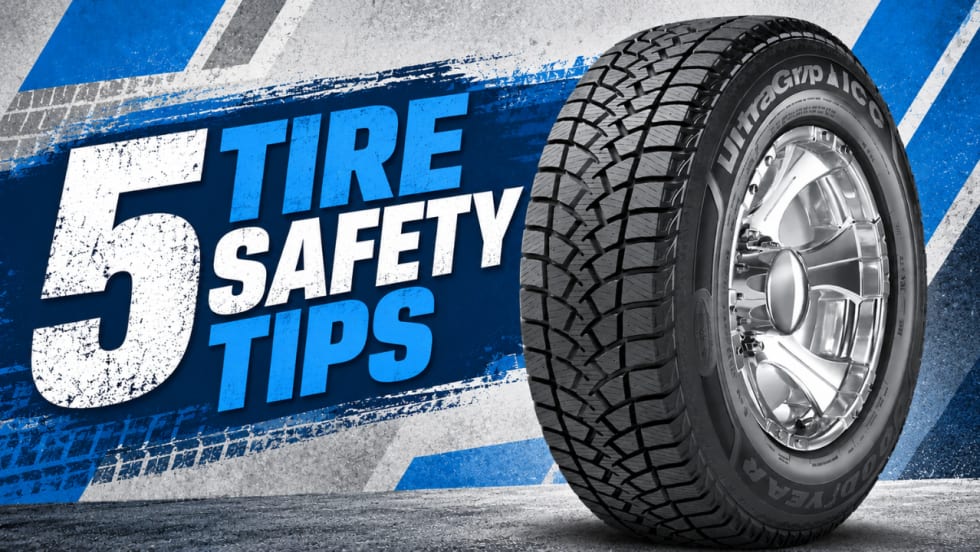
5 Tire Maintenance Tips to Help Prevent Work Truck Downtime
Regular tire checks can do more than extend tread life. These five maintenance practices can help work truck fleets catch problems early, reduce costs, and prevent downtime.
Read More →

Proven Ways to Reduce Work Truck Downtime
The age-old problem of downtime will always be a reality, but with new strategies at hand, fleets have more ways to keep trucks on the road longer.
Read More →


Cameras, Safety and Insurance: From Reactive Claims to Real-Time Prevention (Part 2 of 2)
Part Two: Commercial auto remains one of the most challenging and costly lines of coverage for fleet operators and insurers alike. Continue learning more about how to effectively address these issues from Onur Aksan, Enterprise Business Development Executive, Geotab
Read More →
Cameras, Safety and Insurance: From Reactive Claims to Real-time Prevention
Commercial auto remains one of the most challenging and costly lines of coverage for fleet operators and insurers alike. Learn more about how to effectively address these issues from Onur Aksan, Enterprise Business Development Executive, Geotab.
Read More →
Fleet Costs Are Rising: Here’s How Leaders Are Responding
Fleet leaders are under pressure to reduce costs, adapt to economic uncertainty, and make smarter decisions. See how peers across North America are responding with real data, proven strategies, and forward-looking insights. Download the 2026 Market Pulse Report to benchmark your strategy and uncover where you can gain an edge.
Read More →
Enterprise Fleet Management Surpasses 900,000 Vehicles in U.S. & Canada
Enterprise Mobility connects with mobility solutions around the globe
Read More →