




Related: 2016 L.A. Auto Show: Green Vehicles
Four Global Cities to Ban Diesel Vehicles by 2025
The mayors of Paris, Mexico City, Madrid, and Athens have pledged to ban diesel vehicles from their cities by 2025 in an effort to improve air quality.
by Staff
December 2, 2016
Photo via Flickr/Dan O'Shea
2 min to read

Photo via Flickr/Dan O'Shea
The mayors of Paris, Mexico City, Madrid, and Athens have pledged to ban diesel vehicles from their cities by 2025 in an effort to improve air quality. The announcement was made in Mexico at the C40 Mayors Summit, a gathering of cities committed to addressing climate change.
These four cities also pledged to incentivize alternative vehicles and promote walking and cycling infrastructure. The World Health Organization reported that worldwide, three million deaths each year are linked to exposure to outdoor air pollution, with the vast majority of these deaths occurring in cities.
“Mayors have already stood up to say that the climate change is one of the greatest challenges we face,” said Anne Hidalgo, mayor of Paris and new chair of the C40 Cities Climate Leadership Group, in a release. “Today, we also stand up to say we no longer tolerate air pollution and the health problems and deaths it causes — particularly for our most vulnerable citizens. Big problems like air pollution require bold action, and we call on car and bus manufacturers to join us.”
Citizens across the world have joined a petition demanding that vehicle manufacturers lead an air quality transformation, according to C40. They are urging the companies to stop producing diesel vehicles by 2025 and to support a rapid transition to electric, hydrogen, and hybrid vehicles.
There are 86 affiliated cities in the C40 network, including 12 from the U.S. These 12 cities have already taken nearly 2,400 individual actions to respond to climate change in the past decade, according to a C40 report.
The C40 Mayors Summit isn't the only place where officials from around the world have have pledged to reduce vehicle emissions. On Nov. 16 at the Marrakech Climate Change Conference (COP22) in Morocco, eight countries signed an agreement to increase the share of electric vehicles in their government fleets and called for other governments to join them. These countries are: Canada, China, France, Japan, Norway, Sweden, the United Kingdom, and the United States.
More Green Fleet
Sponsored•October 1, 2026
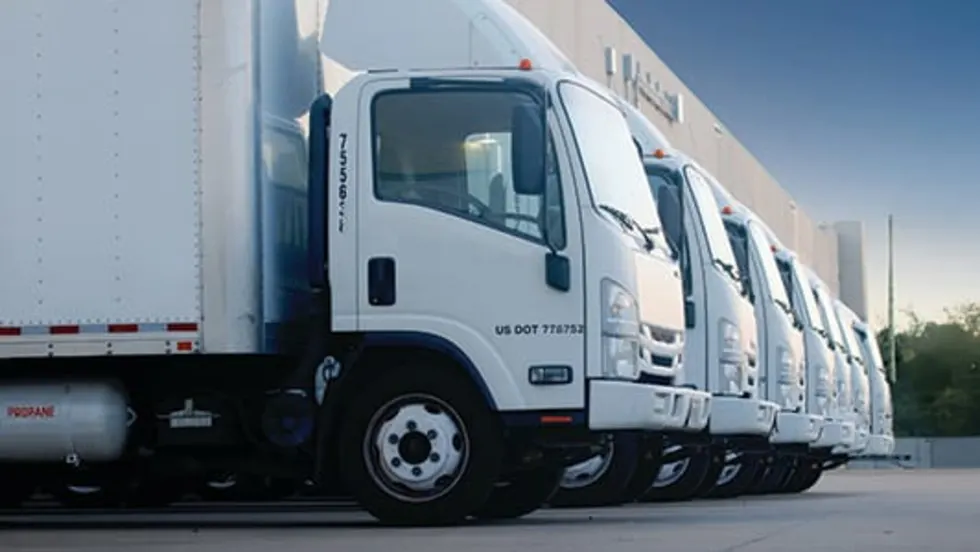
New Propane Autogas Program Offers Fleet Compensation
Qualified commercial fleets can receive $7,500 per eligible propane autogas vehicle and up to $10,000 for new refueling site prep. Learn how the program works and see whether your fleet qualifies.
Read More →
EV Charging Use Is Outpacing Infrastructure Growth
ChargePoint’s 2026 Charging Forward Report points to rising charger use, higher-powered charging, commercial vehicle electrification, and energy-management technology. Here’s what fleets should know.
Read More →
Merchants Fleet Reports 290M EV Miles as Fleets Navigate Changing Electrification Market
From millions in operating savings to hundreds of millions of EV miles, Merchants Fleet’s latest report reveals what’s working and what’s changing in fleet electrification.
Read More →
The EV Breakdown Nobody's Talking About: Why Most Electric Vehicle Roadside Calls Aren't Mechanical Failures
Here's why EV breakdowns are widely misunderstood.
Read More →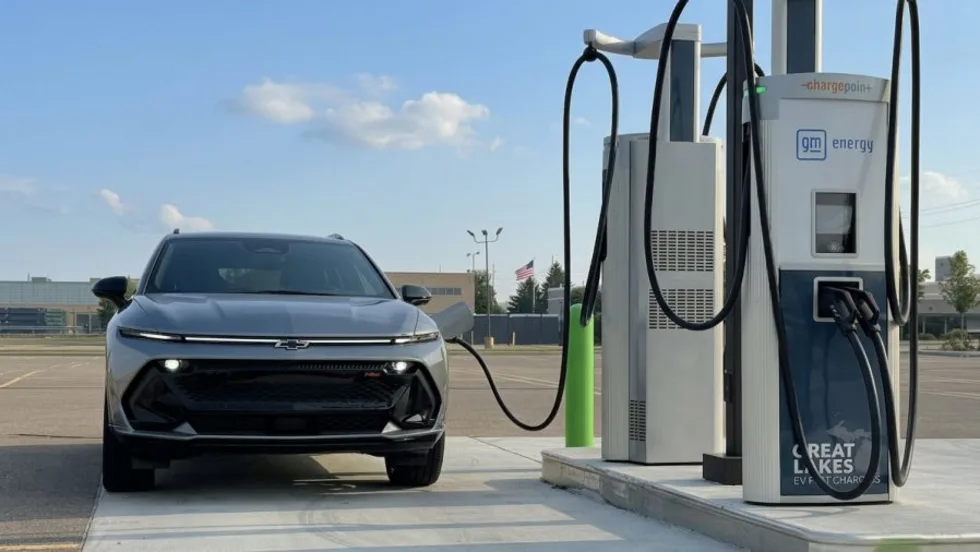
ChargePoint Now Available in Energy Pass
ChargePoint and additional planned charging network integrations were added to GM's Energy Pass.
Read More →

First Look: Slate Auto's Electric Fleet Pickup
Could an affordable, modular EV pickup make electrification more practical for fleets?
Read More →
Slate Debuts Colorful, Unique EV Models
A recent media and client event, studded with electric vehicles dressed up on platforms, planted a new position for the manufacturer in the wider EV market. Fleets will find cost-saving advantages.
Read More →
Slate Electric SUV, Pickup Switchable Model Aims For Light-Duty Fleets
Everything about this EV is counterintuitive and understated, making it stand out from the crowd.
Read More →
Inspiration Mobility Acquires Key Electrada Assets
Inspiration Mobility Group has acquired select assets of Electrada, adding the fleet electrification provider's team, technology, and charging infrastructure development capabilities to its energy management business.
Read More →