




Former Spireon CEO Joins Tourmaline Labs
Former Spireon chief executive Marc Brungger has joined Tourmaline Labs, a provider of driving behavior and artificial intelligence-based mobility platforms, in the same role, that company has announced.
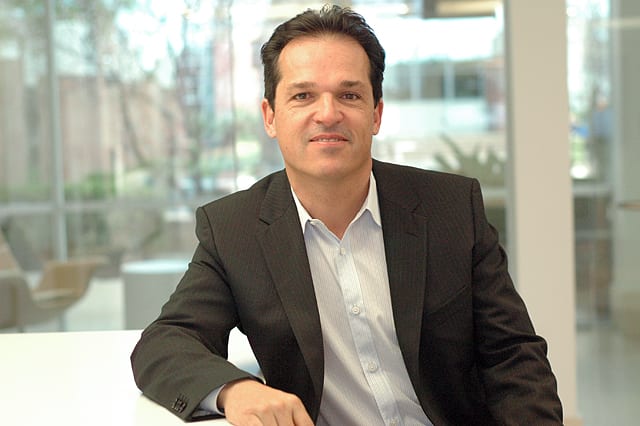
Brungger
Brungger
Former Spireon chief executive Marc Brungger has joined Tourmaline Labs, a provider of driving behavior and artificial intelligence-based mobility platforms, in the same role, that company has announced.
The transition coincides with the company receiving substantial reinvestment from ClearVision Equity Partners and its record-breaking user activations over the last several months — expanding its user base to more than 500,000 subscribers in 150 countries — and aligns with the strategic acceleration of Tourmaline Labs' mass commercialization of its AI platform. Brungger started with the company on Sept. 5.
As Tourmaline Labs' CEO, Brungger will invest additional resources into the company's technology platform, as well as to deepen its sales and service capabilities, all in preparation for the next phase of growth of the San Diego-based software company.
Another area of keen focus for Brungger includes expanding customer support and establishing a more streamlined and automated customer onboarding process.
Tourmaline Lab's Lukas Kuhn, founder and chief technology officer, teamed up with Sven Beerweiler, former CEO, to form the company based on a vision that would enable every organization to seamlessly gather mobility data without the logistical and economic burden of today's hardware-centric solutions, according the the company.
As the CEO of Spireon, Brungger steered the company through a successful transition from multiple software products to a unified platform, capable of supporting solutions for multiple vertical markets, while at the same time overseeing a rapid expansion and doubling of revenue and drastically increasing operating margin. During his tenure, Spireon became North America's largest aftermarket telematics provider by volume, growing to well over 3 million active subscribers, according to the company.
Prior to Spireon, Brungger served as an executive vice president and general manager at Mitchell International, where he executed a customer-centric culture on a global scale that resulted in higher customer satisfaction scores netting higher customer retention. He transformed multiple point solutions and workflow tools into a single, scalable platform with two distinct user experiences for insurance companies and the automotive industry.
More Safety

Nexar-Nauto Merger Aims to Give Fleets Better Safety Intelligence Through Larger Driving Dataset
Stefan Heck tells Automotive Fleet that combining more than 10 billion miles of driving history with Nexar's AI models will give fleets deeper insights into driver risk and roadway conditions than either company could provide independently.
Read More →
Don't Wait for a Crisis: 5 Ways to Build Mental Health Into Your Fleet Safety Program
For Suicide Prevention Month, fleet and safety leaders have an opportunity to put mental health where it belongs: at the center of workplace safety.
Read More →
How Camera Data Can Strengthen a Fleet’s Insurance Renewal
Insights from a commercial insurance carrier and a broker show how fleets can turn video telematic data, driver coaching, and improved claims results into a stronger case at insurance renewal.
Read More →
The Safest Fleets Aren’t the Ones with the Most Technology
You’ve made the telematics investment. Here’s how to capture the other half of its value and build the safest fleet on the road.
Read More →
Hidden in Plain Sight: Fleet Compliance Risks
Fleet compliance isn't just about having policies — it's about consistently enforcing them. This practical guide reveals six hidden compliance risks common in public sector and shared fleet operations and outlines proven strategies to improve visibility, accountability, and audit readiness
Read More →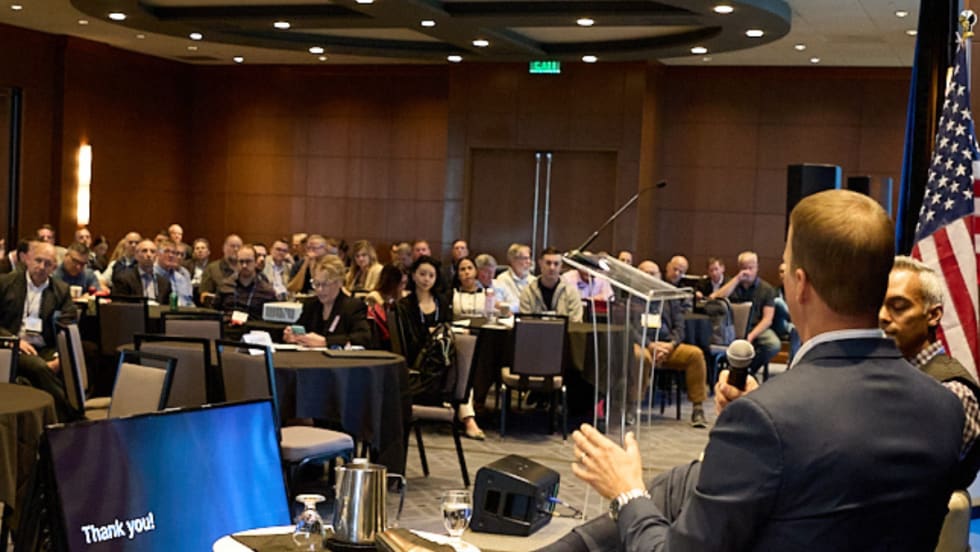
NETS Sets 2026 Fleet Safety Benchmark Conference for Indianapolis
The Sept. 15–17 program will feature fleet benchmarking data, case studies, emerging technologies, and implementation strategies while running alongside the NSC Safety Congress & Expo.
Read More →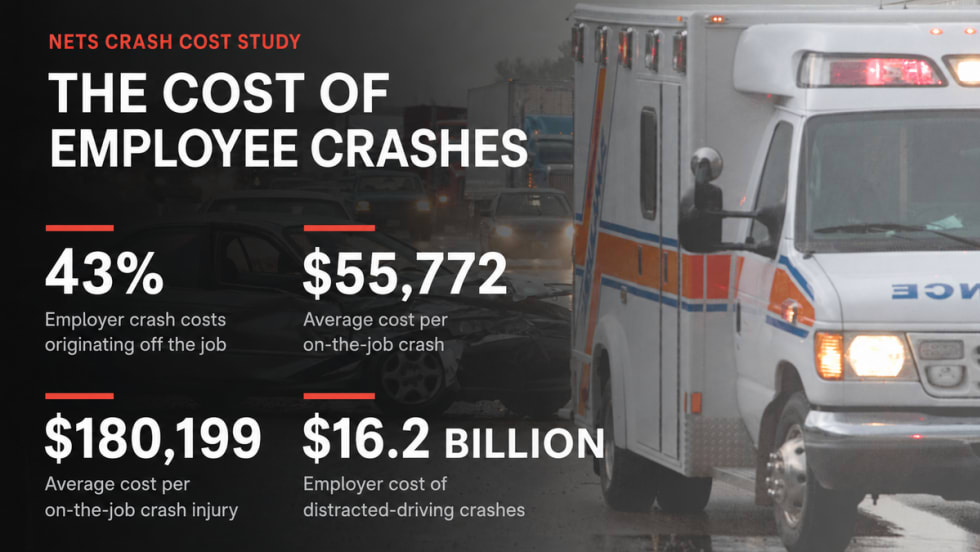
Off-the-Job Crashes Account for 43% of Employers’ $61.7 Billion Crash Burden
NETS quantifies costs dispersed across fleet, risk, HR, and other departments while providing new per-crash benchmarks for employers.
Read More →
Ram Recalls More Than 1.27 Million 1500 Pickups for Seat Belt Anchor Issue
The recall affects certain 2019-2026 Ram 1500 pickups that may have improperly attached second-row seat belt buckle anchors.
Read More →
How Better Visibility Cut Speeding Violations by 48%
Fleet leaders don't need more data, they need clearer visibility into what the data is saying. This case study explores how one utility replaced speeding-event counts with a single metric — miles driven in violation — to strengthen safety and significantly reduce speeding violations.
Read More →
Operation Safe Driver Week: Why the Industry's Oldest Safety Campaign Still Matters to Fleets
A look at how a 2007 enforcement initiative became one of the most consequential weeks on the fleet safety calendar, and what it means for your drivers in 2026.
Read More →