





Related: Fleet Oil Drain and PM Costs Increase Again in 2019
Forecasting 2020 Motor Oil Lubricant Prices
The ongoing trend of increased costs per service will continue as more and more vehicles requiring conventional oil are taken out of service and replaced with models that require synthetics.
January 8, 2020
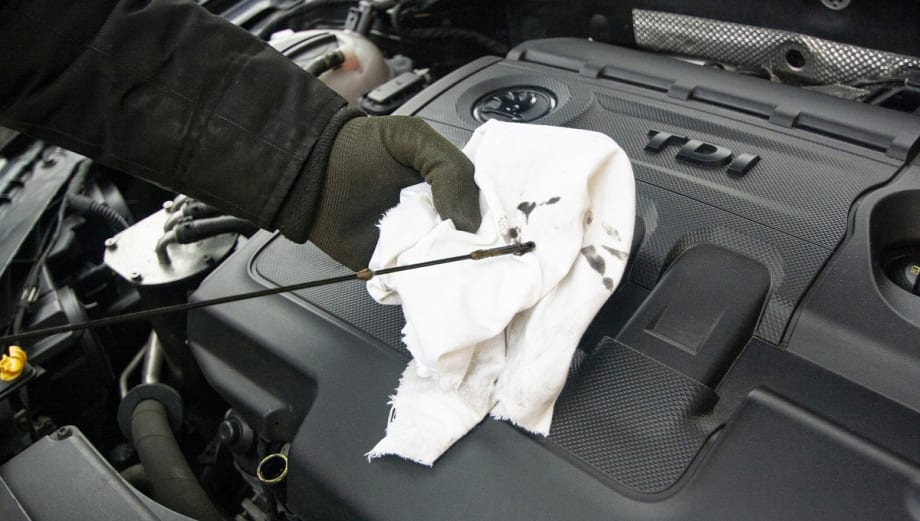
Image by Skica911 from Pixabay.
3 min to read
The ongoing trend of increased costs per service will continue as more and more vehicles requiring conventional oil are taken out of service and replaced with models that require synthetics.
In the long-term, the forecasts show moderate price increases generally following the price of crude oil.
The forecast is that oil changes and oil-related services will continue to increase in cost.
Another concern on the horizon is the potential impact of higher labor rates and whether these increased overhead costs will be passed on to fleet customers. The economy is strong in many regions and there is market pressure on employers to offer salaries that would be competitive in a tight labor market.

Mark Lange,
Element Fleet Management
[EMPTY CREDIT]
“Labor and overhead costs have been the driving factors increasing oil costs. The crude oil market in 2019 is down about $10 per barrel (15-20% lower) compared to 2018 but retail motor oil has seen little to no cost impact,” said Mark Lange, CAFM, technical services consultant for Element Fleet Management.
It is expected that pricing will increase slightly due to higher labor rates, but there will be no volatility and incremental pricing will be stable. The increased drain intervals will partially help to offset the higher PM cost of the continued transition to synthetics across more vehicle applications.
Motor oil prices will generally follow the price of crude oil, which is expected to remain somewhat high but stable. External factors such as economic sanctions and increased demand resulting from improved GDP could drive oil prices beyond forecasted levels. The cost to produce motor oil is increasing because of the increased cost of crude oil, which is the foundation of finished lubricant products.

Mark Atchley,
Enterprise Fleet Management
“Motor oil prices are expected to remain fairly consistent over the next year and follow the price of crude oil (major geopolitical events aside),” said Mark Atchley, senior supply chain manager for Enterprise Fleet Management.
A key reason for the increase in crude oil prices is due to events outside the control of fleets. For instance, there have been dramatic disruptions in crude oil production in both Iran and Venezuela. However, some forecast that crude oil prices will remain flat in calendar-year 2020.
“Market forecasts are still pointing to crude oil remaining flat or even falling in the immediate future. This forecast could change based on the geopolitical climate in oil-producing countries. The biggest impact is likely going to be inflation and the continued increase in labor costs,” said Lange.
One significant geopolitical event that resulted in increased oil prices occurred in September 2019 with an attack on Saudi Arabia’s oil refining facilities.

Brad Jacobs,
Merchants Fleet
The U.S. is anticipated to continue to dominate oil supply growth into 2020 due to technology improvements and better production in areas of West Texas, North Dakota, and Oklahoma. “Oil prices dipped at the end of 2018. While U.S. oil production continued to surge in 2019, other global oil producers have reduced their supply,” said Brad Jacobs, director of fleet consulting for Merchants Fleet.
Geopolitical issues weigh heavy on the future price of finished lubricants as, ultimately, prices in 2020 will be determined by the strength of the dollar, global GDP, and trade negotiations.
More Maintenance

Sponsored•October 1, 2026
Fleet Manager’s Ultimate Playbook: Navigating the New Standard in OEM Connectivity
Rising operating costs, driver safety concerns, and unplanned downtime are putting unprecedented pressure on modern fleets. Discover how fleet managers use embedded OEM connectivity and real-time vehicle data to cut TCO, prevent downtime, and protect drivers without aftermarket telematics hardware.
Read More →
How Can Fleet Managers Tell Which Repairs Require Closer Review?
Fleetio’s Brianna Perry demonstrates how Service Advisor evaluates maintenance requests, identifies pricing anomalies, and provides the context fleet managers need to focus their attention on potential problems.
Read More →
Why Roadside Assistance Belongs in a Fleet Risk Strategy
Roadside assistance is more than a tow. See how the right partner can protect drivers, uncover fleet trends, and strengthen your risk strategy.
Read More →
Sponsored•August 7, 2026
Hidden in Plain Sight: Fleet Compliance Risks
Fleet compliance isn't just about having policies — it's about consistently enforcing them. This practical guide reveals six hidden compliance risks common in public sector and shared fleet operations and outlines proven strategies to improve visibility, accountability, and audit readiness
Read More →
How Maintenance Costs Compare Across 27 Fleet Vehicles
Vincentric’s three-year, 60,000-mile projections reveal wide differences for both scheduled and unscheduled maintenance among selected vehicle categories. Projected maintenance visits also play a factor.
Read More →
The EV Breakdown Nobody's Talking About: Why Most Electric Vehicle Roadside Calls Aren't Mechanical Failures
Here's why EV breakdowns are widely misunderstood.
Read More →
How Stellantis Plans to Get Ahead of Fleet Downtime
Keeping fleet vehicles on the road has become as important as buying them. Darren Bradshaw of Mopar North America explains how connected vehicle data, AI, and proactive service strategies are helping Stellantis reduce downtime and move closer to predictive maintenance.
Read More →
Merchants Fleet Expands Maintenance Network with Pep Boys
Merchants Fleet has expanded its relationship with Pep Boys, increasing the service provider's role within its national maintenance network. The move is intended to enhance maintenance coordination and support commercial fleets through Pep Boys' nationwide footprint.
Read More →
The Two Biggest Summer Downtime Threats for Fleets
A conversation with a maintenance expert reveals the two most common summer maintenance pains and how to prevent them.
Read More →
From Marine Corps Motor Pool to Managing 460 Fleet Vehicles
Cesar Ayala of O’Connell Landscape Maintenance shares how he transitioned from the Marine Corps to managing a 460-vehicle fleet—and the real-world challenges of maintenance, compliance, and driver management in California.
Read More →