




Related Photos: Ford's 2018 F-150 XL 3.3L SuperCab
Ford's Diesel F-150: 30 MPG on the Highway
Ford's first diesel-powered 2018 F-150 pickup can deliver an EPA-rated 30 mpg in highway driving, which would put it among the most fuel-efficient pickups available when it goes on sale in the spring.
by Staff
January 8, 2018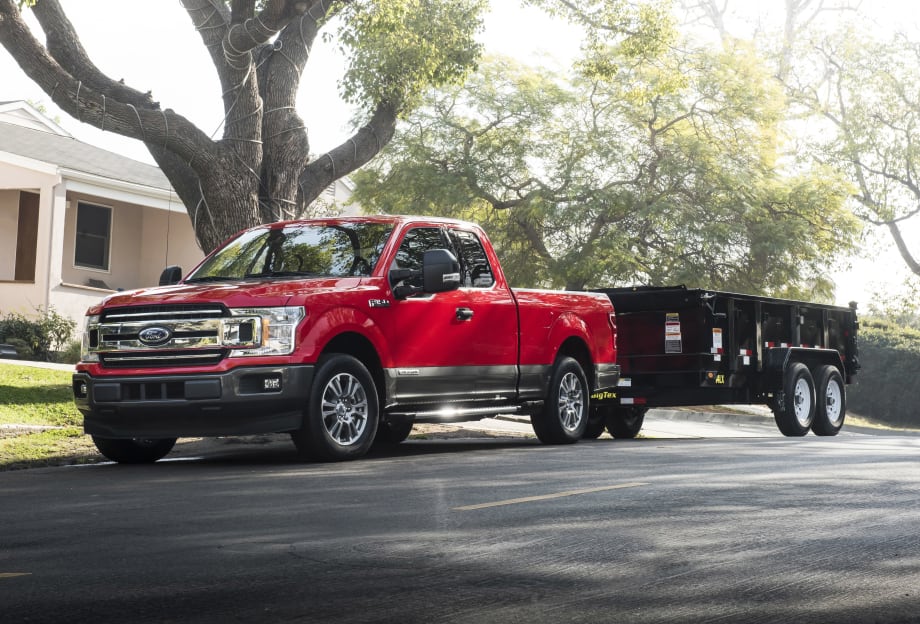
Photo of diesel-powered 2018 F-150 courtesy of Ford.
2 min to read

Photo of diesel-powered 2018 F-150 courtesy of Ford.
Ford's first diesel-powered 2018 F-150 pickup can deliver an EPA-rated 30 mpg in highway driving, which would put it among the most fuel-efficient pickups available when it goes on sale in the spring.
The diesel F-150 is powered by Ford's only diesel V-6 — a 3.0L Power Stroke turbocharged engine that makes 250 horsepower and 440 pounds-feet of torque. It's the sixth engine choice for F-150 customers. The pickup can haul 2,020 pounds of payload and tow up to 11,400 pounds.
Ford is pairing the engine with its SelectShift 10-speed automatic transmission. It will also come with auto stop-start as a standard feature.
Fleet customers can order the diesel F-150 in SuperCrew with a 5.5- or 6.5-foot bed and the SuperCab with the 6.5-foot bed. It will be available in all trim grades. For retail buyers, the engine is available with the Lariat, King Ranch, and Platinum trims.
Ford's diesel V-6 shared technology with the 6.7-liter Power Stroke engine that has powered its Super Duty trucks since 2011. The engine shares the same graphite iron block material and forged steel crank used in the 2.7-liter EcoBoost.
Peak torque comes at 1,750 rpm with torque delivery continuing throughout the rpm range, which is ideal for towing or hauling heavy loads over long distances, according to Ford.
The engine uses a common-rail fuel injection system that adds fuel at 29,000 pounds per square inch. Dual fuel filters improve break-in while a cast-aluminum oil pan and two-stage oil pump reduce parasitic loss and improve fuel efficiency.
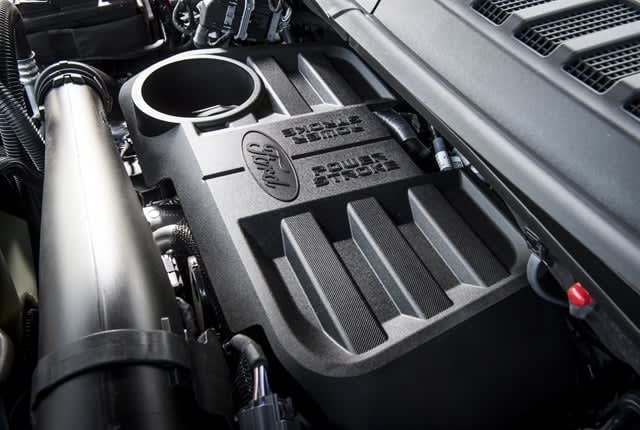
Photo of 3.0L Power Stroke turbo-diesel V-6 courtesy of Ford.
The truck also uses a mechanical engine-driven fan and dual radiator shutters to improve performance when temperatures run high at altitude.
"We know that competing diesels with electric cooling fans have to dial back on power under extreme heat and altitude, so we decided on a viscous-controlled mechanical fan that has the capacity to move much more air across the radiator and intercooler in extreme conditions," said David Ives, Ford's diesel engine technical specialist. "This gives F-150 Power Stroke owners more power and more passing capability in harsh conditions."
When operating under normal conditions, the engine system backs off the fan load through a viscous coupler. It closes down the two radiator shutters to improve aerodynamic efficiency and reduce parasitic engine loss.
Ford has added several other upgrades to the pickup for 2018, including stronger axles for the high-strength steel frame and aluminum-alloy body.
Ford will begin taking orders, including from commercial buyers, later this month, and begin delivering it in the spring. Ford will show the vehicle at the North American International Auto Show in Detroit later this month.
More Operations

Sponsored•October 14, 2026
A buyer's guide to fleet management software in 2027
Buying fleet management software in 2027 means looking beyond features and price. As fleet operations, technology and expectations evolve, this guide explores what today’s fleet professionals should consider when choosing a system that can deliver value now and adapt to what comes next.
Read More →
What Will Shape the Next Era of Fleet Management?
EVs, AI, and autonomous vehicles are reshaping fleet management. Discover what’s ahead—and how fleet leaders can prepare for the next era.
Read More →
How Fleets Can Recruit and Train Veterans for Technician Roles
Here's how the technician shortage has affected uptime for fleets, and what to do about it.
Read More →

Avis Budget Group Deploys Neology Toll Management Technology Across Major Brands
Neology’s neoFleet platform will manage toll transactions and toll-authority operations for vehicles across Avis, Budget, Payless, Budget Truck and Zipcar.
Read More →
Fleet Personal-Use Charges Edge Higher in 2026
Nearly eight in 10 surveyed fleets allow personal use of company vehicles, while just over half of respondents report charging employees for the privilege.
Read More →
The Future of Fleet + What’s Changing Right Now | AF News Recap
Could developments overseas offer a preview of what’s coming for U.S. fleets? This week, we’re looking at the future of AI, autonomy, and electrification, plus Ford Pro’s new certified pre-owned program, smarter vehicle offboarding, and a new way for fleets to manage toll expenses.
Read More →
How to Handle Vehicle Offboarding
What do fleet managers need to do when a driver leaves?
Read More →
Sponsored•October 1, 2026
Fleet Manager’s Ultimate Playbook: Navigating the New Standard in OEM Connectivity
Rising operating costs, driver safety concerns, and unplanned downtime are putting unprecedented pressure on modern fleets. Discover how fleet managers use embedded OEM connectivity and real-time vehicle data to cut TCO, prevent downtime, and protect drivers without aftermarket telematics hardware.
Read More →
U.S. Bank Adds Verra Mobility Toll Management to Voyager Fleet Platform
The integration allows U.S. Bank Voyager fleet customers to manage toll payments and violations alongside fuel, EV charging and maintenance expenses.
Read More →
ADAS Prevents Crashes. But Repairs Cost More | AF News Recap
ADAS-equipped vehicles may crash less often, but they can cost more when they do. This week, we’re breaking down what that tradeoff means for fleets, plus Subaru’s first Forester Wilderness Hybrid, Nissan’s new e-POWER Rogue, and why Calstart has become Catalyst Mobility.
Read More →