




Ford Uses Rice Hulls in F-150 Pickup Trucks
Ford is proving that pickups can be green and tough by adding rice hulls to the list of sustainable materials used to build F-150s.
Ford Motor Company is using plastic reinforced with rice hulls – a byproduct of rice grain – in an electrical harness in the 2014 F-150. The company will need at least 45,000 pounds of hulls in the first year. The rice hulls are sourced from farms in Arkansas and will replace a talc-based reinforcement in a polypropylene composite made by RheTech, a Whitmore Lake, Mich.-based automotive supplier.
"The 2014 F-Series exemplifies our continued efforts to use recycled content in our vehicles," said John Viera, Ford global director of sustainability and vehicle environmental matters. "We can have greater impact in this case because of the size and sales volume of this product."
According to Ford, the F-Series trucks already feature:
Recycled cotton: Used as carpet insulation and a sound absorber, every 2014 F-150 contains enough recycled cotton to make the equivalent of 10 pairs of jeans.
Soybeans: used to make seat cushions, seat backs and head restraints.
Recycled carpet: Some F-150 trucks have cylinder head covers made with EcoLon, a nylon resin produced from 100 percent post-consumer recycled carpet.
Recycled tires: A thermoplastic material made from recycled tires and post-consumer recycled polypropylene is used to make shields and some underbody covers on F-150.
Recycled plastic soda pop and water bottles: A lightweight fiber derived from recycled plastic soda pop and water bottles is used to construct F-150 wheel liners and shields. The parts are significantly lighter than traditional injection molded parts and lead to a quieter ride. Select F-Series trucks feature fabric made from recycled fiber.
Recycled post-industrial plastics: Used in interior finish panels, including around radio and climate controls, researchers in Dearborn, Mich. are constantly searching for the next sustainable material that can feasibly be used in Ford vehicles. Finding a source of material is only the beginning of the process, however, because before making it to production, components made from recycled content must perform as well or better than comparable virgin-grade material.
Materials development engineers at Ford Materials Engineering, Testing, and Standards in Dearborn, Mich., in conjunction with RheTech, conducted testing of the rice hull material for more than a year, examining everything from smell and appearance to functionality and flammability. The rice hull-based material successfully passed all tests, according to Ford.
For more information about Ford Motor Company, visit www.ford.com.
More Green Fleet

EV Charging Use Is Outpacing Infrastructure Growth
ChargePoint’s 2026 Charging Forward Report points to rising charger use, higher-powered charging, commercial vehicle electrification, and energy-management technology. Here’s what fleets should know.
Read More →
Merchants Fleet Reports 290M EV Miles as Fleets Navigate Changing Electrification Market
From millions in operating savings to hundreds of millions of EV miles, Merchants Fleet’s latest report reveals what’s working and what’s changing in fleet electrification.
Read More →
The EV Breakdown Nobody's Talking About: Why Most Electric Vehicle Roadside Calls Aren't Mechanical Failures
Here's why EV breakdowns are widely misunderstood.
Read More →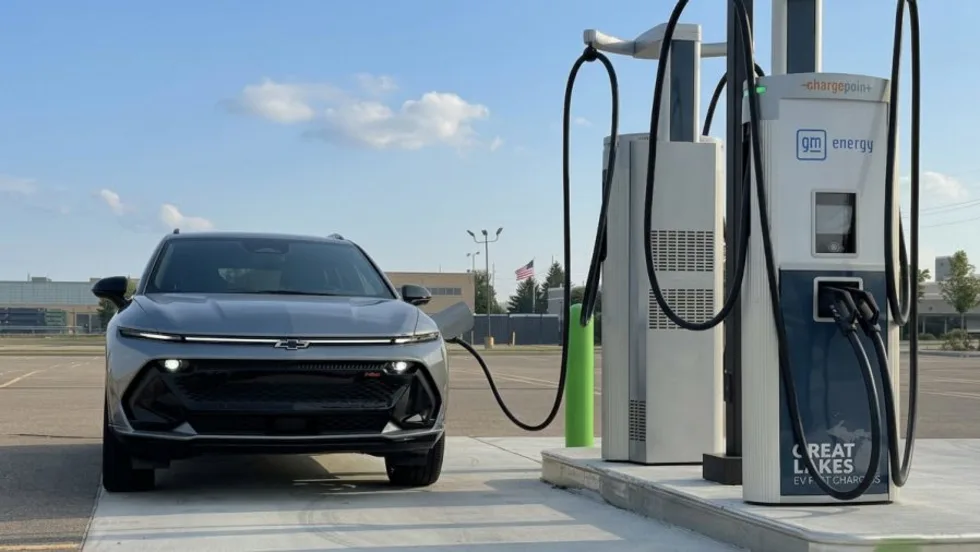
ChargePoint Now Available in Energy Pass
ChargePoint and additional planned charging network integrations were added to GM's Energy Pass.
Read More →
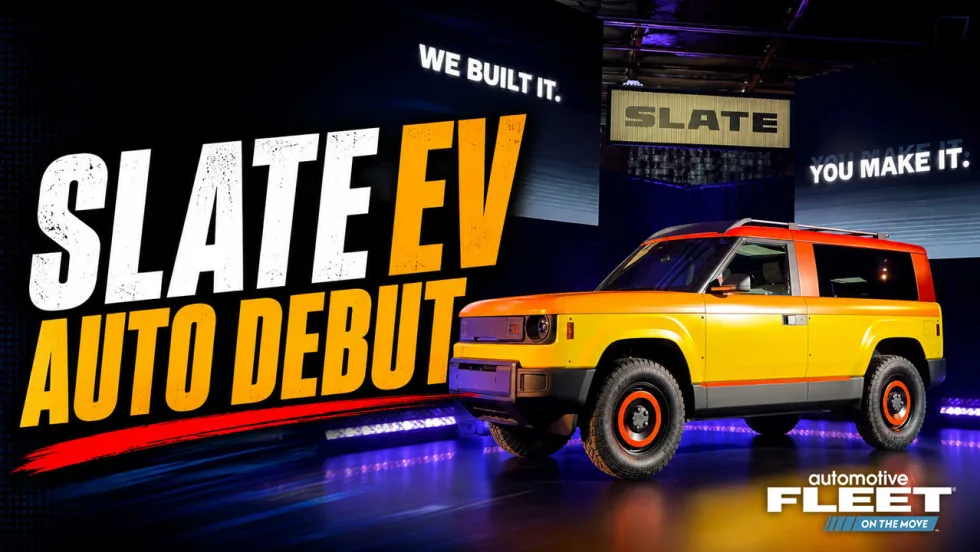
First Look: Slate Auto's Electric Fleet Pickup
Could an affordable, modular EV pickup make electrification more practical for fleets?
Read More →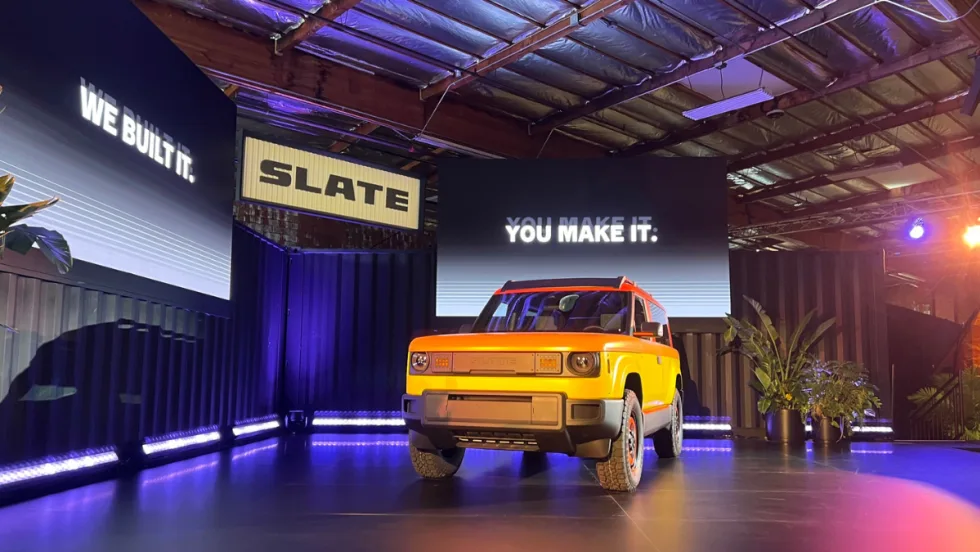
Slate Debuts Colorful, Unique EV Models
A recent media and client event, studded with electric vehicles dressed up on platforms, planted a new position for the manufacturer in the wider EV market. Fleets will find cost-saving advantages.
Read More →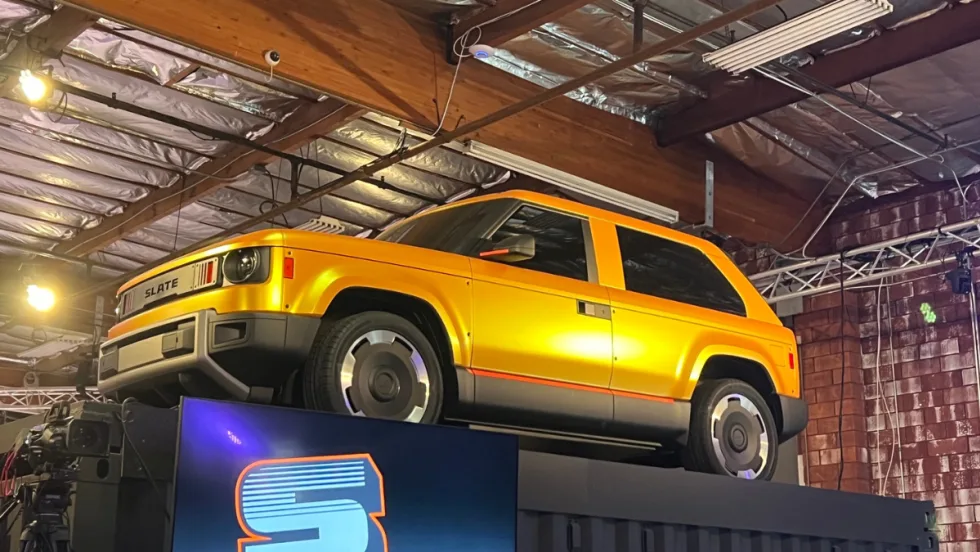
Slate Electric SUV, Pickup Switchable Model Aims For Light-Duty Fleets
Everything about this EV is counterintuitive and understated, making it stand out from the crowd.
Read More →
Inspiration Mobility Acquires Key Electrada Assets
Inspiration Mobility Group has acquired select assets of Electrada, adding the fleet electrification provider's team, technology, and charging infrastructure development capabilities to its energy management business.
Read More →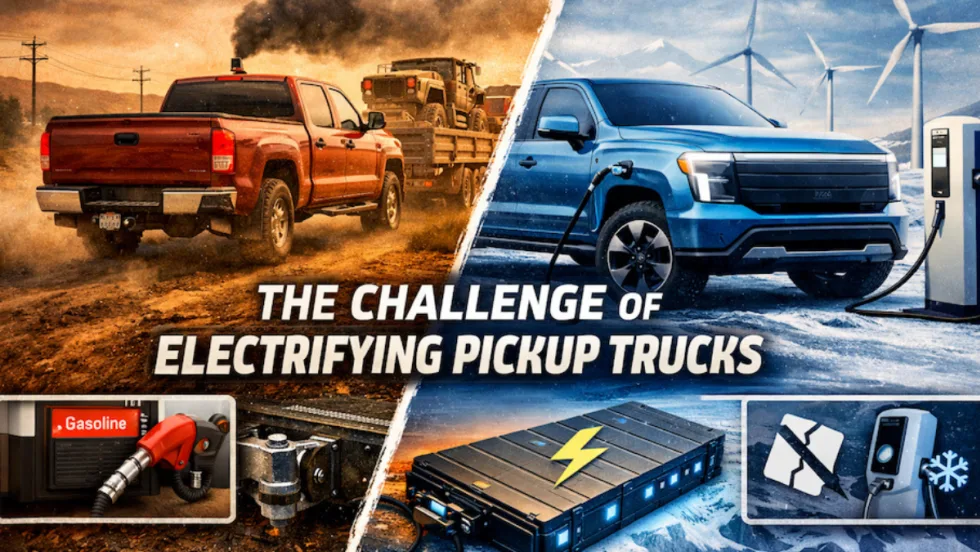
Why America’s Most Popular Vehicle is So Hard to Electrify
Turning America’s favorite workhorse electric means balancing range, payload, charging infrastructure, and price, an equation automakers are still trying to solve.
Read More →