




Ford to Offer Lane Keeping System on New Fusion
DEARBORN, MI - LKS uses a digital camera mounted on the windshield (in front of the rearview mirror) that allows the Fusion to watch the road ahead to detect an unintentional lane departure.
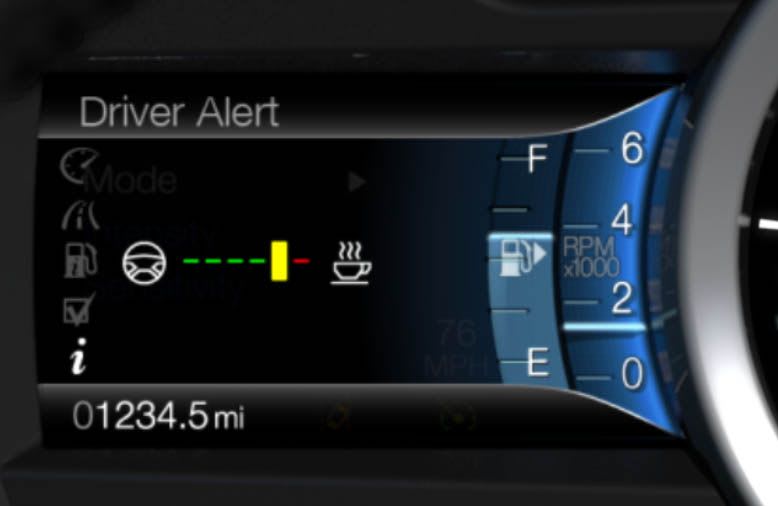
Ford's Lane Keeping System.
Ford's Lane Keeping System.
DEARBORN, MI – Ford provided a tidbit about the upcoming second-generation Fusion’s safety systems, which will include the automaker’s Lane Keeping System (LKS). The vehicle is set to debut at the Detroit Auto Show in January.
Ford said it intends to roll out this system on a range of vehicles in the coming years. The new Escape will also feature this system.
LKS uses a digital camera mounted on the windshield (in front of the rearview mirror) that allows the Fusion to watch the road ahead to detect an unintentional lane departure. The Ford Lane Keeping System has three levels of assistance available to the driver depending on what is happening: Lane Keeping Alert, Lane Keeping Aid and Driver Alert. The driver has to activate LKS.
Once the vehicle reaches a speed faster than 40 mph, and lane markers are clearly visible on the road, an icon that looks like a car between two lanes lights up green in the instrument cluster to indicate the system is enabled. LKS uses the vehicle’s electric power-assisted steering (EPAS), also used in the new Fusion, to provide a vibrating alert to the driver and then steer the car back into the lane if the driver doesn’t respond.
When the system detects the car is approaching the edge of the lane without a turn signal activated, the lane marker in the icon turns yellow and the steering wheel vibrates. If the driver doesn’t respond and continues to drift, the lane icon turns red and EPAS will nudge the steering and the vehicle back toward the center of the lane. If the car continues to drift, the vibration is added again along with the nudge. The driver can overcome assistance and vibration at any time by turning the steering wheel, accelerating, or braking.
More Operations

Company Vehicle or Reimbursement? How Fleets Are Rethinking Assignments
As fleet costs and insurance pressures rise, fleet managers are taking a closer look at which employees need company-provided vehicles and when a reimbursement program may make more sense.

Fleetio, ASE Launch Scholarship Program for Automotive Technicians
The second annual program will award 15 scholarships totaling $35,000 to support ASE certification, testing fees, and equipment costs.

Reading the Global Signals: What AI and the Energy Transition Mean for Fleets Now
In this opening keynote of the 2026 Fleet Forward Conference, John Rossant, founder of CoMotion, How can fleet managers navigate a never-ending, changing industry landscape?

90% Use Telematics. Are Fleets Getting Safer? | AF News Recap
This week, we're breaking down which industries have the highest rates, how Jamie McKay manages 2,400 vehicles, what's happening with the 2027 fleet awards, and why software-defined vehicles could introduce new costs.

What's Best Handled by an FMC, and What's Better Done Directly?
Fleet managers continue to rely on FMCs for essential services but are taking a closer look at where working directly with suppliers can improve efficiency and responsiveness.

Fleet Meets: Erin Gilchrist
Meet Erin Gilchrist, the inaugural Mike Antich Spirit of Fleet Award winner, as she shares insights on leadership, mentorship, the power of industry connections, and why people remain at the heart of fleet's future.

How 2026 Fleet Visionary Jamie McKay Manages 2,400 Vehicles Across 37 States
How do you keep 2,400 vehicles running across 37 states? Fleet Visionary Award winner Jamie McKay shares how collaboration, flexibility, and a few simple strategies help her tackle fleet management challenges at Aptive Pest Control.

Managing Fleet Costs in an Era of Permanent Volatility
Fleet operating costs have risen more than 20% since 2020, raising a key question: When does extending a vehicle's service life stop making financial sense?

The Next Evolution of Fleet Management: Autonomous Operations
This opening keynote session at the Fleet Forward Conference highlights the future of autonomous driving for fleets.

How to Reduce the Total Cost of Risk From Catalytic Converter Theft
A stolen catalytic converter can cost fleets far more in downtime and lost productivity than in repairs. A total-cost-of-risk approach can help fleet managers quantify their exposure and prioritize theft prevention.