




Ford Tests Show Eco-Driving Improves Fuel Economy an Average of 24 Percent
PHOENIX – Tests performed by Ford Motor Company show drivers coached by eco-driving experts can significantly improve the fuel economy performance of their vehicles.
PHOENIX – Tests performed by Ford Motor Company show that motorists coached by eco-driving experts can significantly improve the fuel economy performance of their cars, trucks or SUVs, according to the company.
Eco-driving refers to specific driving behaviors that can improve fuel economy, save money, reduce greenhouse gas emissions and promote safe driving. Ford and Phoenix-based Pro Formance Group have teamed up to pilot an eco-driving program for fleet customers. The program would employ certified master trainers to deliver hands-on coaching to maximize mileage in everyday driving.
Over a four-day period, Ford and the Pro Formance drivers conducted validation tests using volunteers from Phoenix who were given individual coaching on specific driving behaviors. The Sports Car Club of America verified the results, which showed an average 24 percent improvement in fuel economy as a result of hands-on eco-driving training.
The 48 total drivers who took part in the validation tests saw results ranging from 6 percent fuel economy improvement to more than 50 percent, depending on their driving style and ability to master eco-driving behaviors. Eco-driving instructors coached drivers to employ smoother breaking and accelerating, monitor their RPMs and drive at a moderate speed.
"Eco-driving techniques are teachable and work across a broad spectrum of vehicles and drivers," said Drew DeGrassi, president and CEO of Pro Formance Group. "It's not the end-all solution for America to obtain energy independence, but it is an important part of it."
Among the eco-driving practices that drivers can begin practicing on their own are driving 55 mph instead of 65 mph, keeping tires properly inflated at the recommended pressure, and eliminating prolonged idling.
The U.S. Energy Information Administration reports that the U.S. uses close to 150 billion gallons of gasoline annually. If every American practiced eco-driving and got the EPA-estimated 15 percent benefit in fuel economy, more than 22 billion gallons of gas would be saved.
Eco-driving training was launched by Ford in Germany in the 1990s in cooperation with the German Road Safety Council. In the only industry-based drivers' eco-training course, specially trained and certified instructors run programs for several target groups including fleet drivers and customers. Several of the master trainers recently traveled to Ford in Dearborn to teach the coaching techniques to drivers with the Pro Formance Group. They will now leverage Ford of Germany's eco-driving expertise to develop a pilot program that would certify eco-driving instructors to train Ford's fleet customers.
Hands-on instruction is critical for achieving full potential of eco-driving since instructions for eco-driving techniques must be customized after instructors have had the opportunity to observe individual driving habits and then provide coaching for more fuel efficient driving techniques.
"We are talking with fleet owners first, because they have large numbers of vehicles and drivers that could realize significant benefit from such training," said Curt Magleby, director of Governmental Affairs, Ford Motor Company. "Ultimately, all drivers can benefit from practicing eco-driving, and one day it may be considered mandatory as part of all new drivers training."
Ford's eco-driving initiative builds on the recent launch by the Alliance of Automobile Manufacturers, of a comprehensive nationwide effort to promote eco-driving at www.EcoDrivingUSA.com.
"Improving fuel economy requires commitment from all stakeholders including, automakers, regulators, fuel producers and consumers. Ford will continue to do its part to improve fuel economy with new technologies across its vehicle lineup," said Susan Cischke, senior vice president of sustainability, environment and safety engineering.
More Green Fleet

Merchants Fleet Reports 290M EV Miles as Fleets Navigate Changing Electrification Market
From millions in operating savings to hundreds of millions of EV miles, Merchants Fleet’s latest report reveals what’s working and what’s changing in fleet electrification.
Read More →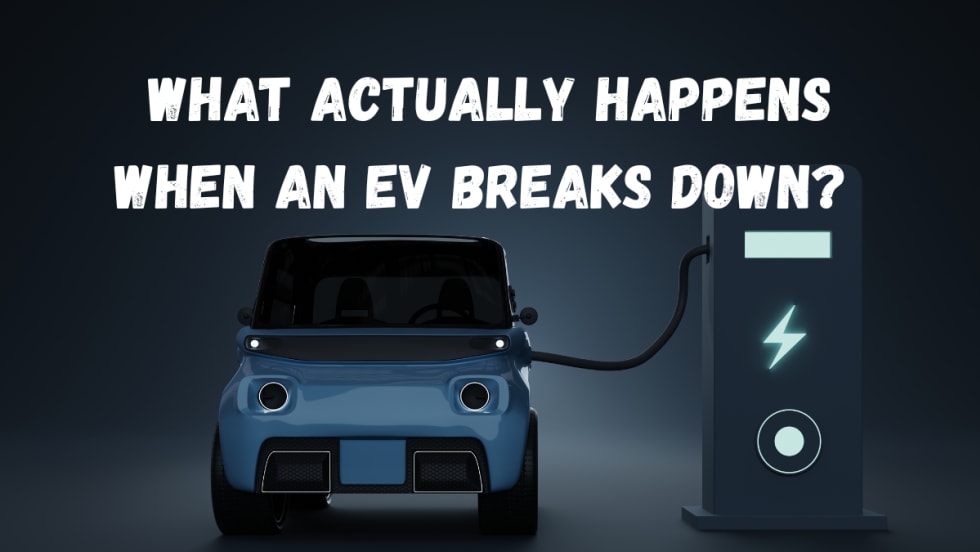
The EV Breakdown Nobody's Talking About: Why Most Electric Vehicle Roadside Calls Aren't Mechanical Failures
Here's why EV breakdowns are widely misunderstood.
Read More →
ChargePoint Now Available in Energy Pass
ChargePoint and additional planned charging network integrations were added to GM's Energy Pass.
Read More →

First Look: Slate Auto's Electric Fleet Pickup
Could an affordable, modular EV pickup make electrification more practical for fleets?
Read More →
Slate Debuts Colorful, Unique EV Models
A recent media and client event, studded with electric vehicles dressed up on platforms, planted a new position for the manufacturer in the wider EV market. Fleets will find cost-saving advantages.
Read More →
Slate Electric SUV, Pickup Switchable Model Aims For Light-Duty Fleets
Everything about this EV is counterintuitive and understated, making it stand out from the crowd.
Read More →
Inspiration Mobility Acquires Key Electrada Assets
Inspiration Mobility Group has acquired select assets of Electrada, adding the fleet electrification provider's team, technology, and charging infrastructure development capabilities to its energy management business.
Read More →
Turning Connected Vehicle Data Into Decisions That Matter
Fleet leaders have more data than ever, but turning that data into clear, actionable decisions remains a challenge. This white paper shows how leading organizations are using connected vehicle data to improve safety, reduce costs, and optimize fleet performance. Learn how to turn insight into action across your fleet.
Read More →
Are You Tracking Your Fleet's True Total Cost of Ownership?
Bobit Business Media surveyed 190 fleet professionals and found that while most fleets are tracking costs, fragmented systems and data gaps are keeping true TCO visibility out of reach. With rising pressure to control spend in an increasingly volatile environment, the gap between what fleets think they know and what the data actually shows is wider than you might expect. See how your peers are managing costs today and where the industry still has room to improve.
Read More →