




Ford Replaces CEO Fields With Mobility Head Hackett
Ford has replaced CEO Mark Fields with Jim Hackett, who has led its mobility business unit for the past year. Ford views Hackett as a "transformational business leader" as it seeks to boost profit amid investor pressure.
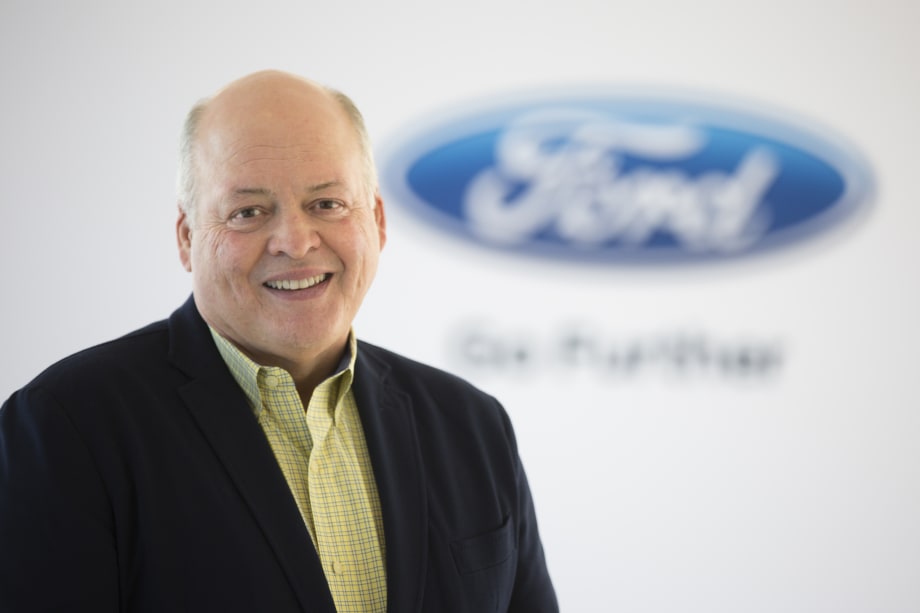
Photo of Jim Hackett courtesy of Ford.

Photo of Jim Hackett courtesy of Ford.
Ford has replaced CEO Mark Fields with Jim Hackett, who has led its mobility business unit for the past year. Ford views Hackett as a "transformational business leader" as it seeks to boost profit amid investor pressure.
Fields, who is retiring, has led the company since July 1, 2014, when he succeeded Alan Mulally. Fields, 56, joined the company in 1989.
Hackett, 62, will take on the roles of CEO and president following more than a year as executive chairman of Ford Smart Mobility. He began leading that business unit in March of 2016. He reports to executive chairman Bill Ford.
Earlier in his career, Hackett served as the CEO of Steelcase and interim athletic director of the University of Michigan.
"Jim Hackett is the right CEO to lead Ford during this transformative period for the auto industry and the broader mobility space," said Bill Ford. "He's a true visionary who brings a unique, human-centered leadership approach to our culture, products and services that will unlock the potential of our people and our business."
The move was seen by one analyst as a signal that Ford may need to move faster on initiatives to shift the company's focus to mobility and emerging technology.
"Ford exemplifies the challenge facing auto manufacturers; having great ambitions for smart mobility services, but still being heavily reliant on a profitable series of pickup trucks," said James Hodgson, an analyst with ABI Research. "However, if traditional manufacturers don’t properly take advantage of automotive technology trends — electrification, connectivity, automation — they'll soon be overtaken by newcomers who will."
In related news, Ford named three executive vice presidents who will report to Hackett, including Jim Farley as president of global markets; Joe Hinrichs, president of global operations; and Marcy Klevorn, president of mobility. The appointments are effective June 1.
Ford announced two other appointments, including Mark Truby as vice president of communications and Paul Bellow as global chief data and analytics officer.
More Operations

A buyer's guide to fleet management software in 2027
Buying fleet management software in 2027 means looking beyond features and price. As fleet operations, technology and expectations evolve, this guide explores what today’s fleet professionals should consider when choosing a system that can deliver value now and adapt to what comes next.
Read More →
What Will Shape the Next Era of Fleet Management?
EVs, AI, and autonomous vehicles are reshaping fleet management. Discover what’s ahead—and how fleet leaders can prepare for the next era.
Read More →
How Fleets Can Recruit and Train Veterans for Technician Roles
Here's how the technician shortage has affected uptime for fleets, and what to do about it.
Read More →

Avis Budget Group Deploys Neology Toll Management Technology Across Major Brands
Neology’s neoFleet platform will manage toll transactions and toll-authority operations for vehicles across Avis, Budget, Payless, Budget Truck and Zipcar.
Read More →
Fleet Personal-Use Charges Edge Higher in 2026
Nearly eight in 10 surveyed fleets allow personal use of company vehicles, while just over half of respondents report charging employees for the privilege.
Read More →
The Future of Fleet + What’s Changing Right Now | AF News Recap
Could developments overseas offer a preview of what’s coming for U.S. fleets? This week, we’re looking at the future of AI, autonomy, and electrification, plus Ford Pro’s new certified pre-owned program, smarter vehicle offboarding, and a new way for fleets to manage toll expenses.
Read More →
How to Handle Vehicle Offboarding
What do fleet managers need to do when a driver leaves?
Read More →
Fleet Manager’s Ultimate Playbook: Navigating the New Standard in OEM Connectivity
Rising operating costs, driver safety concerns, and unplanned downtime are putting unprecedented pressure on modern fleets. Discover how fleet managers use embedded OEM connectivity and real-time vehicle data to cut TCO, prevent downtime, and protect drivers without aftermarket telematics hardware.
Read More →
U.S. Bank Adds Verra Mobility Toll Management to Voyager Fleet Platform
The integration allows U.S. Bank Voyager fleet customers to manage toll payments and violations alongside fuel, EV charging and maintenance expenses.
Read More →
ADAS Prevents Crashes. But Repairs Cost More | AF News Recap
ADAS-equipped vehicles may crash less often, but they can cost more when they do. This week, we’re breaking down what that tradeoff means for fleets, plus Subaru’s first Forester Wilderness Hybrid, Nissan’s new e-POWER Rogue, and why Calstart has become Catalyst Mobility.
Read More →