





Improving Last Mile: Nauto & BrightDrop Collaborate on Last-Mile Safety Tech
Ford Pro and DHL to Electrify Last-Mile Delivery
Ford Pro and Deutsche Post DHL Group signed a Memorandum of Understanding aiming to speed up the electrification of last-mile delivery vans around the globe.
December 5, 2022
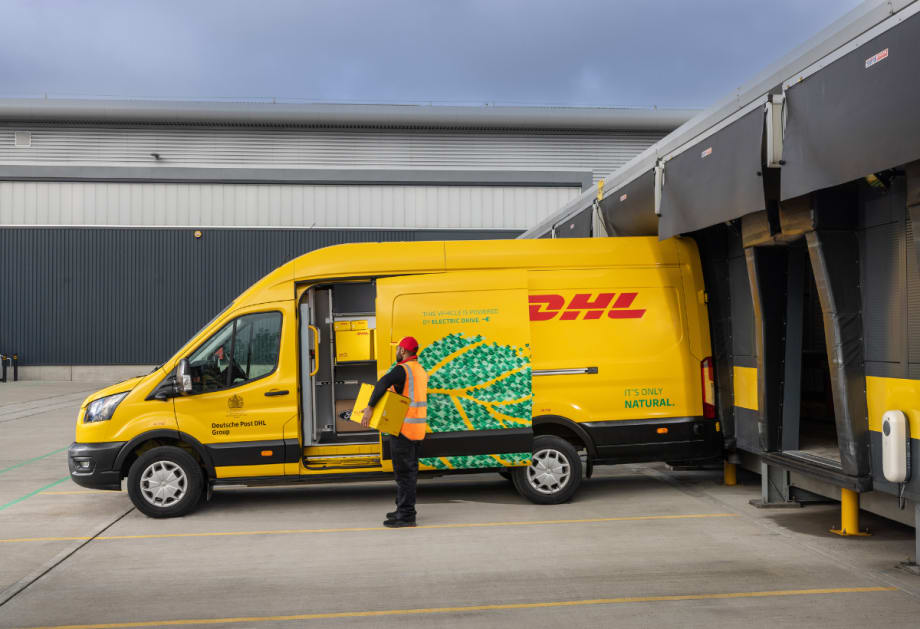
Ford Pro will provide Deutsche Post DHL Group with more than 2,000 electric vans.
Photo: DHL
3 min to read
Ford Pro and Deutsche Post DHL Group push toward sustainability.
The two companies signed a Memorandum of Understanding to accelerate the deployment of electrified vans used for logistics operations worldwide.
Underscoring the planned collaboration, Ford Pro will equip Deutsche Post DHL Group with more than 2,000 electric delivery vans worldwide by the end of 2023.
Ford Pro’s goal is to enhance its position in last-mile delivery electric vans worldwide. The inked agreement covers a full suite of solutions to operate the electric fleet including access to Ford Pro’s connected E-Telematics software and charging solutions in order to reduce costs and optimize efficiency as a part of the two organizations’ common zero emission goals.
The Path to Zero Emissions
Ford is targeting zero emissions for all vehicle sales and carbon neutrality across its European footprint of facilities, logistics, and suppliers by 2035, and carbon neutrality globally no later than 2050.
Deutsche Post DHL Group is committed to strengthening clean operations for climate protection and will invest EUR 7 billion in the current decade on its path to net-zero emissions logistics.
Deutsche Post DHL Group is targeting a share of 60% e-vehicles used for carbon-neutral pick-up and delivery by 2030, now also powered by Ford Pro’s line-up of electrified vehicles including the all-new E-Transit.
“Ford Pro and Deutsche Post DHL Group share the vision of greater sustainability and a commitment to electrified solutions, and this agreement is a major step towards millions of deliveries being completed by electrified vehicles around the world. E-Transit is the top-selling commercial EV in North America and since June is also the best-seller in its segment in Europe, meaning the all-electric 2-tonne van is already making big strides to support this ambition,” said Hans Schep, general manager, Ford Pro, Europe.
“Electrification of last mile logistics is a major pillar to decarbonize our operations. Adding the new Ford E-Transit to our global fleet of around 27,000 electric vans further strengthens our capability of providing green delivery services worldwide. Joining forces to address our logistics-specific requirements will drive operational and service efficiency further,” said Anna Spinelli, Chief Procurement Officer & Head of Mobility, Deutsche Post DHL Group.
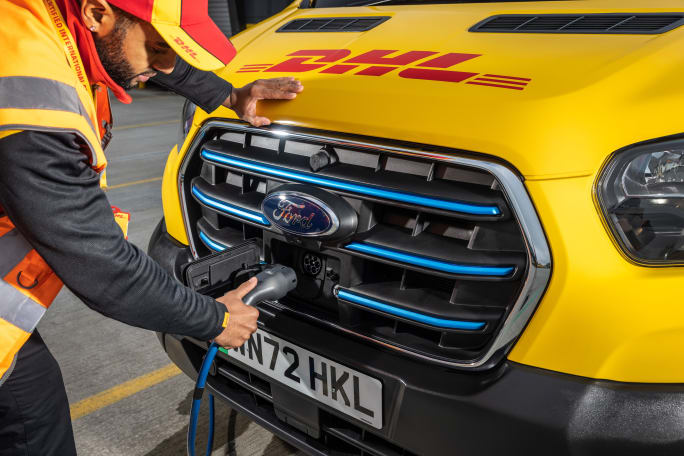
Ford Pro and DHL are committed to a sustainable future with electric vans across the globe.
Photo: DHL
Expanding Its Electric Fleet
Ford Pro has already handed over its first E-Transits under the agreement, joining Deutsche Post DHL Group’s electric fleet used for last-mile deliveries in several countries worldwide.
The order volume concentrates on the E-Transit panel vans designed for handling express shipments in the Americas and Europe. The vehicles join the Deutsche Post DHL Group fleet at the busiest time of year making more sustainable deliveries possible to customers during peak season.
Additionally, purchases of Ford Pro Special Vehicles with a customized box for inner city distribution in Germany, were concluded.
The Memorandum of Understanding, signed by Ford and Deutsche Post DHL Group, will potentially allow both companies to explore the co-development of future products as well as new digital and charging solutions.
In addition to providing early access to innovative ideas, Ford Pro will also deliver Deutsche Post DHL Group access to test vehicles and monitoring services as the two companies explore expanding their cooperation to a growing number of markets globally.
Ford Pro for Fleet Management
Ford Pro’s platform is designed to help small fleet management. It has a variety of offerings available to maximize productivity and minimize cost.
With its fleet management software, fleet managers can track the total cost of ownership in real-time to optimize vehicle cycle management through features including fuel usage costs, maintenance, and repair tracking.
It also has vehicle safety features, mobile services, financing, and more.
Originally posted on Work Truck Online
More Green Fleet
Sponsored•October 1, 2026
New Propane Autogas Program Offers Fleet Compensation
Qualified commercial fleets can receive $7,500 per eligible propane autogas vehicle and up to $10,000 for new refueling site prep. Learn how the program works and see whether your fleet qualifies.
Read More →
EV Charging Use Is Outpacing Infrastructure Growth
ChargePoint’s 2026 Charging Forward Report points to rising charger use, higher-powered charging, commercial vehicle electrification, and energy-management technology. Here’s what fleets should know.
Read More →
Merchants Fleet Reports 290M EV Miles as Fleets Navigate Changing Electrification Market
From millions in operating savings to hundreds of millions of EV miles, Merchants Fleet’s latest report reveals what’s working and what’s changing in fleet electrification.
Read More →
The EV Breakdown Nobody's Talking About: Why Most Electric Vehicle Roadside Calls Aren't Mechanical Failures
Here's why EV breakdowns are widely misunderstood.
Read More →
ChargePoint Now Available in Energy Pass
ChargePoint and additional planned charging network integrations were added to GM's Energy Pass.
Read More →
First Look: Slate Auto's Electric Fleet Pickup
Could an affordable, modular EV pickup make electrification more practical for fleets?
Read More →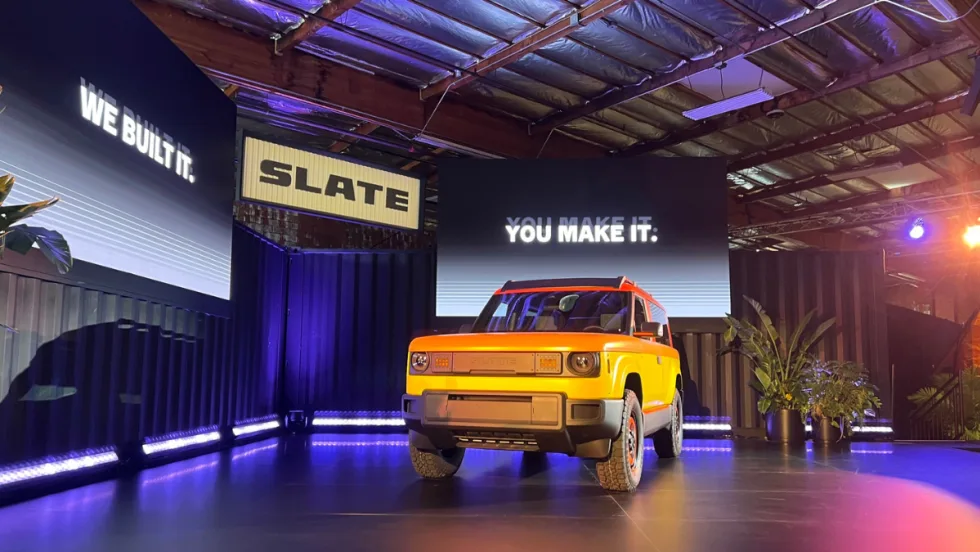
Slate Debuts Colorful, Unique EV Models
A recent media and client event, studded with electric vehicles dressed up on platforms, planted a new position for the manufacturer in the wider EV market. Fleets will find cost-saving advantages.
Read More →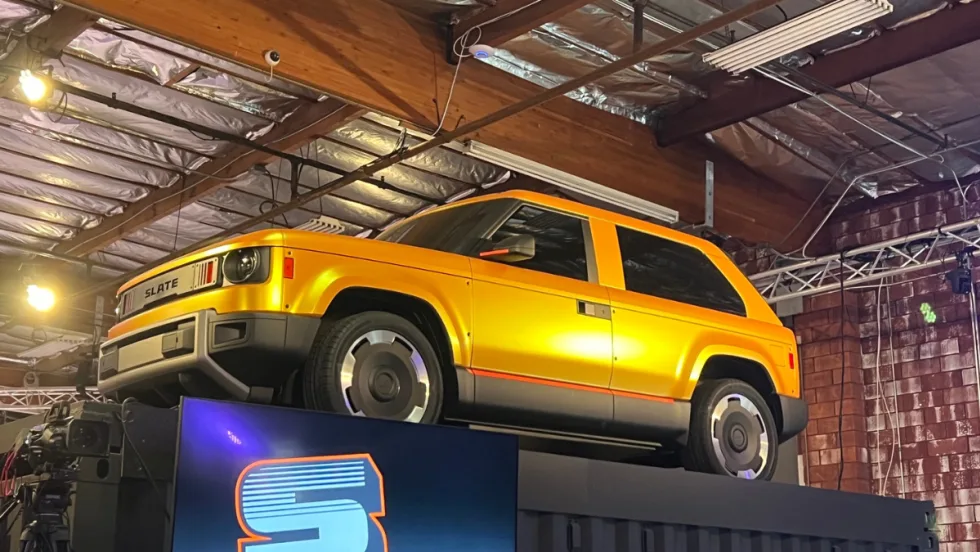
Slate Electric SUV, Pickup Switchable Model Aims For Light-Duty Fleets
Everything about this EV is counterintuitive and understated, making it stand out from the crowd.
Read More →
Inspiration Mobility Acquires Key Electrada Assets
Inspiration Mobility Group has acquired select assets of Electrada, adding the fleet electrification provider's team, technology, and charging infrastructure development capabilities to its energy management business.
Read More →