





Read More: Autonomous Technology: The Future Is Now
Ford Pilots Autonomous Route Simulation on Worksites
In a collaboration with DP World London Gateway, Ford’s self-driving research program explores how AVs could integrate into a fleet's business. See how in this video.
December 2, 2021
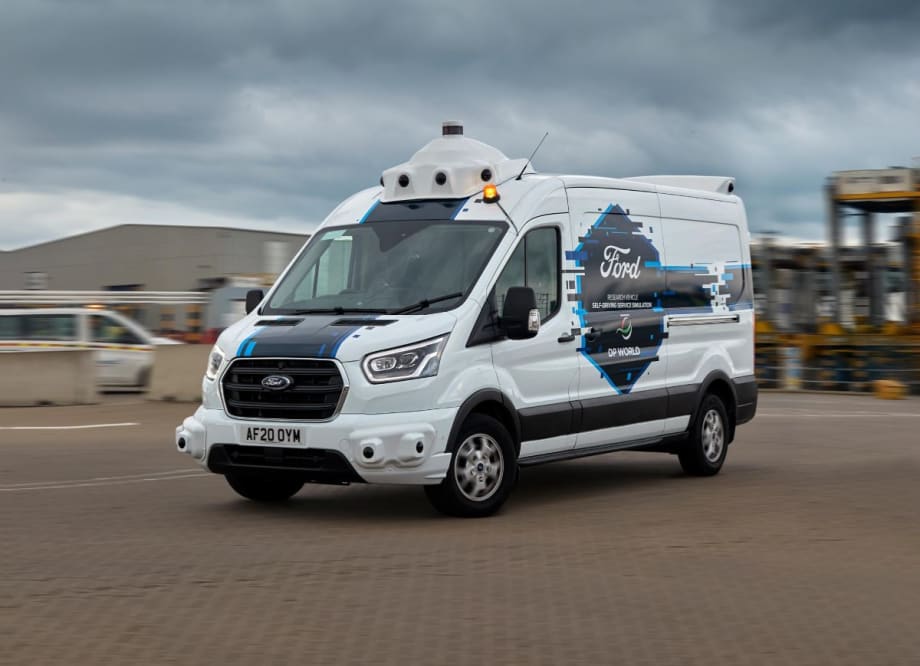
Researchers observed the simulation and said that workers quickly adapted to the upfitted Transit van.
Photo courtesy of Ford.
3 min to read
Ford Motor Company and DP World London Gateway have conducted a trial with a simulated autonomous vehicle on large worksites.
The initiative is part of Ford’s Self-Driving Research Program, designed to help businesses understand how autonomous vehicles could benefit their operations. First launched in June to explore the potential impact upon courier services and doorstep deliveries, the trial tested how recipients managed when accessing self-driving delivery vehicles themselves.
According to the announcement, the goal is to identify new opportunities and models for autonomous vehicle operations – in particular, understanding how existing processes and human interactions can work alongside automated vehicles.
“It was incredible to see how enthusiastically the team at DP World embraced working with the support of a self-driving vehicle," said Richard Balch, director, Autonomous Vehicles and Mobility, Ford of Europe. "We are continuing to work very closely with our customers to learn how these vehicles can benefit their businesses, and it is exciting to see first-hand the impact this can have across a diverse range of locations. What worked so well at DP World premises could equally be of benefit at universities, airports, and manufacturing facilities.”
DP World London Gateway is located east of London and already uses automated technology as part of its operations as a deep-sea container port. For the trial, Ford used a specially adapted Transit upfitted to mimic the look of an actual self-driving vehicle with a driver concealed within a “Human Car Seat.” Employees loaded packages into secure lockers in the rear of the Transit. Then, at set delivery times, the Transit traveled to the main reception 3.5 km away for colleagues to retrieve.
Every step of the process was monitored by researchers who conducted interviews before, during, and after the trial. They reported that employees quickly became comfortable using the van. The news release says that some proactively trained colleagues to access their packages, while others overcame difficulties intentionally introduced by the researchers, such as the wrong parcels being stowed in the wrong lockers.
“Having what appeared to be a self-driving vehicle on site created a real buzz. Everyone wanted to use it," said Ernst Schulze, UK chief executive of DP World. "Popping in the car to pick up a package from elsewhere on site might not seem like it takes that long, but across multiple journeys over weeks, months, and years, this can add up to a lot of time and money.”
Along with the Port of Tilbury and Ford Dagenham, DP World London Gateway will form Thames Freeport. The U.K. government awarded the partners freeport status earlier this year. The partners are currently progressing the business case, with Freeport Tax Site status being awarded on Nov. 19, on their journey to receiving formal accreditation.
Ford has been testing self-driving technology in major cities across the U.S. in partnership with Argo AI. The company plans to invest around $7 billion in autonomous vehicles through 2025 – $5 billion of that from 2021 forward – as part of its mobility initiatives.
More Fleet Forward

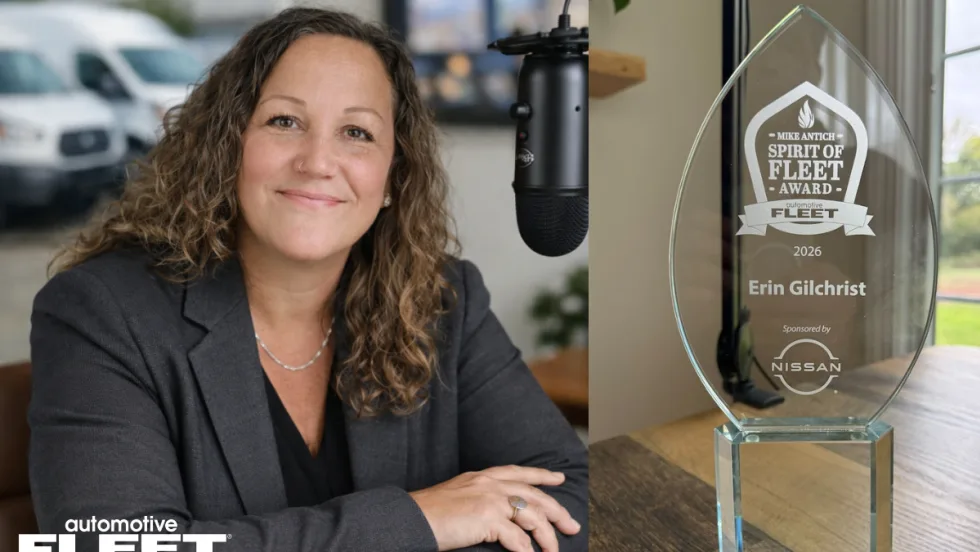
Erin Gilchrist Receives Mike Antich Spirit of Fleet Award
Last week at AFLA in Vegas, Erin Gilchrist received the inaugural, brand-new Spirit of Fleet Award.
Read More →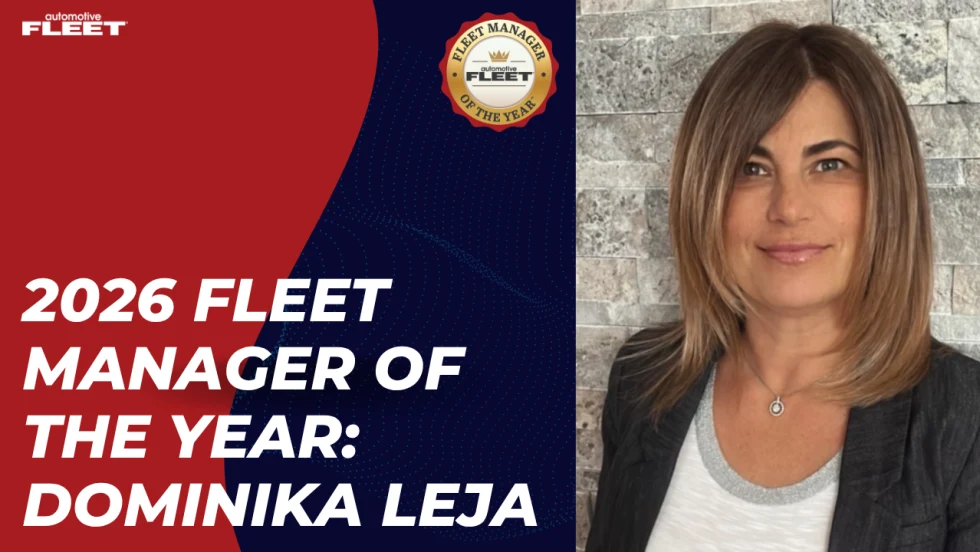
Dominika Leja Named the 2026 Fleet Manager of the Year
The AstraZeneca associate director of fleet was recognized for her leadership in fleet electrification, cost savings, and operational transformation.
Read More →
Jamie McKay Named the 2026 Fleet Visionary Award Winner
The Aptive Pest Control fleet manager was recognized for her approach to operations, data, lifecycle management, and driver needs.
Read More →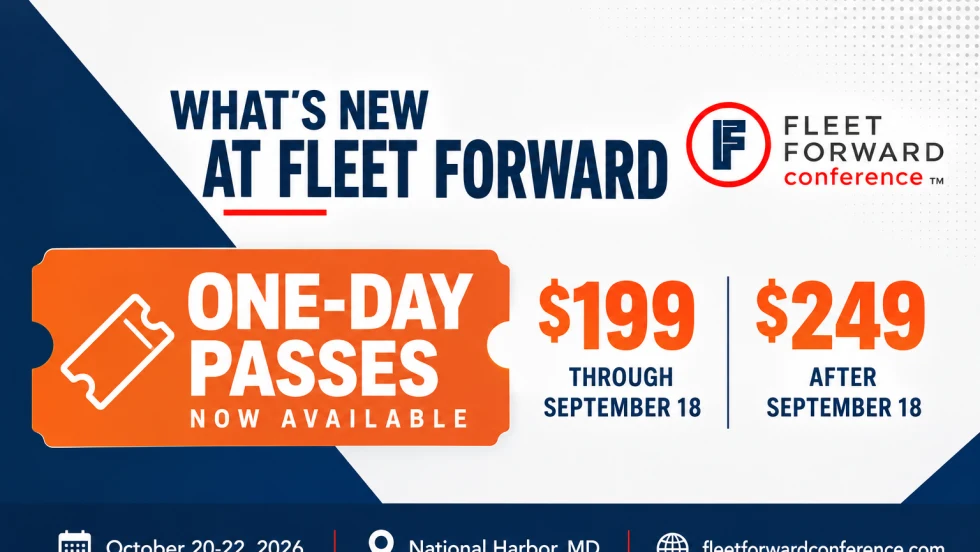
Fleet Forward Conference Introduces One-Day Passes for 2026
New one-day registration gives fleet professionals the flexibility to attend Tuesday, Wednesday, or Thursday, with passes available for $199 through Sept. 18.
Read More →
Vibe Coding: When Fleet Managers Become Software Builders
Five fleet professionals — none with programming skills — discuss how they’re using AI to build fleet solutions in-house and in a fraction of the time.
Read More →
Fleet Forward Conference Tackles Fleet Industry’s Growing Leadership Gap
This session will examine succession planning, knowledge transfer, and the skills the next generation of fleet leaders will need as veteran professionals leave the industry.
Read More →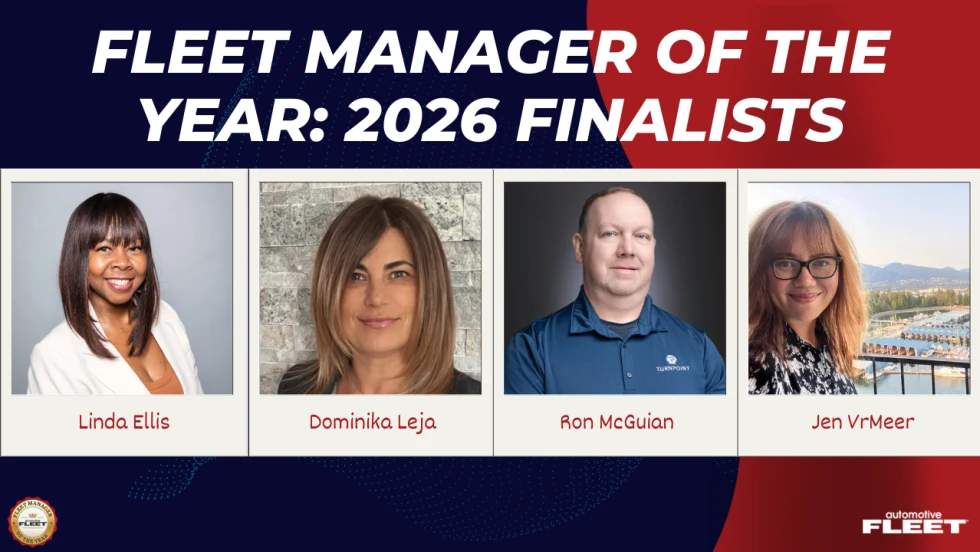
2026 Fleet Manager of the Year Finalists Announced
Who are the 2026 Fleet Manager of the Year finalists?
Read More →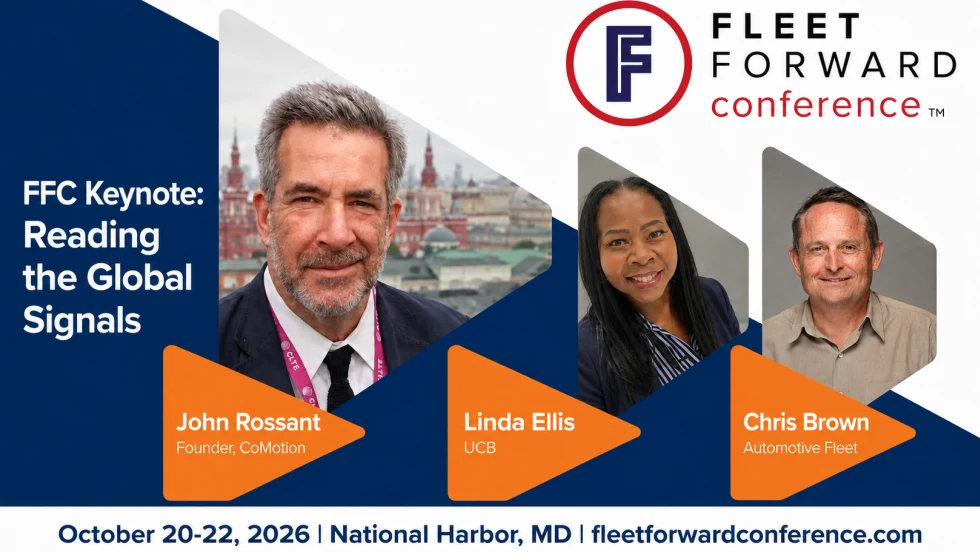
John Rossant to Deliver Opening Keynote at 2026 Fleet Forward Conference
The CoMotion founder will draw on developments across Europe, China, the Middle East, and other international markets to identify trends that could influence how U.S. fleets plan for the coming decade.
Read More →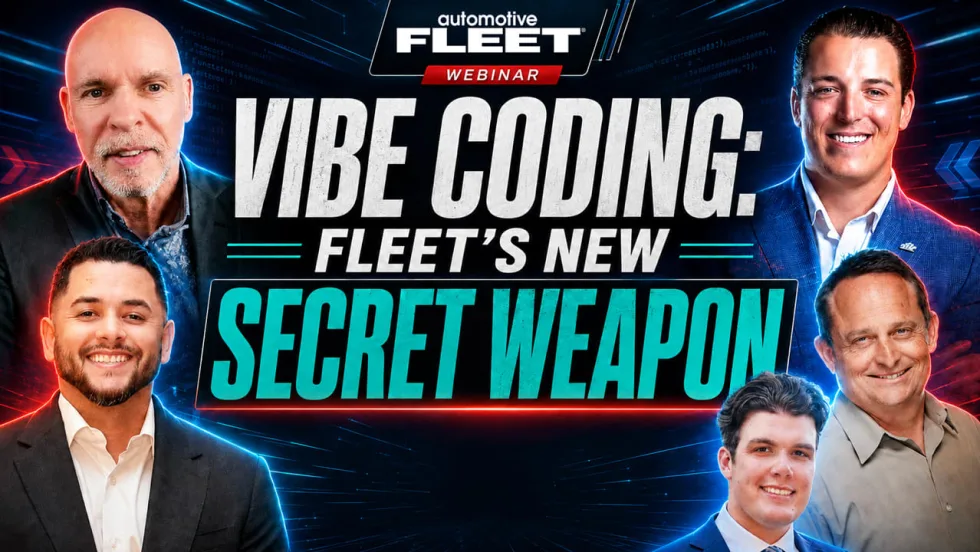
How to Build Custom Fleet Tools With AI and Vibe Coding [Webinar]
A new Automotive Fleet webinar explores how fleet managers are using AI and vibe coding to automate routine work and create simple operational tools without traditional programming skills.
Read More →