




Ford Opts for Sustainable Material in New Head Restraints
DEARBORN, MI – Ford Motor Co. and Lear Corp. have introduced new head restraint foam that has 25 percent of the polyol replaced with soy.
DEARBORN, MI – Ford Motor Co. and Lear Corp. have introduced new head restraint foam that has 25 percent of the polyol replaced with soy.
Seventy-five percent of Ford’s North American vehicles feature bio-foam in the head restraints, including the Ford F-150, Taurus, Explorer and Fusion. All Ford vehicles built in North America use bio-foam content in the seat cushions and backs.
“We are continuously looking for new ways to expand our use of bio-based foam, and head restraints are a perfect example,” said Debbie Mielewski, technical leader in plastics research at Ford. “It’s a new location with higher soy content. We’re not stopping at head restraints, either. There are still many other applications in which traditional foam can be converted to bio-based soy foam on vehicles, such as energy-absorption areas, steering wheels and armrests.”
The extended use of soy foam results from the continued research collaboration between Ford and Lear. Ford first used sustainable soybean oil-derived seating foam on the 2008 Mustang. The collaboration also generated the recent complete conversion of all Lear North American Ford seating cushion foam to Lear SoyFoam.
SoyFoam is up to 24 percent more renewable than petroleum-based foam. The biomaterial has helped Ford reduce its annual petroleum oil usage by more than 3 million pounds. The use of SoyFoam also has helped Ford reduce its carbon dioxide emissions by more than 15 million pounds. SoyFoam also can provide a 67-percent reduction in volatile organic compound emissions.
“Our success with the introduction of sustainable products confirms customer acceptance of the technology and the need for green automotive interior innovation,” said Ash Galbreath, director of advanced materials and comfort engineering for Lear Corp. “Lear’s advancement of ecological breakthroughs is intended both to reduce product sensitivity to petroleum raw material price fluctuations and lessen our impact on the environment.”
Ford continues to research the use of other renewable sources for foam, including palm, rapeseed and sunflower oil in markets around the world where those commodities are locally available and cost effective.
More Green Fleet

EV Charging Use Is Outpacing Infrastructure Growth
ChargePoint’s 2026 Charging Forward Report points to rising charger use, higher-powered charging, commercial vehicle electrification, and energy-management technology. Here’s what fleets should know.
Read More →
Merchants Fleet Reports 290M EV Miles as Fleets Navigate Changing Electrification Market
From millions in operating savings to hundreds of millions of EV miles, Merchants Fleet’s latest report reveals what’s working and what’s changing in fleet electrification.
Read More →
The EV Breakdown Nobody's Talking About: Why Most Electric Vehicle Roadside Calls Aren't Mechanical Failures
Here's why EV breakdowns are widely misunderstood.
Read More →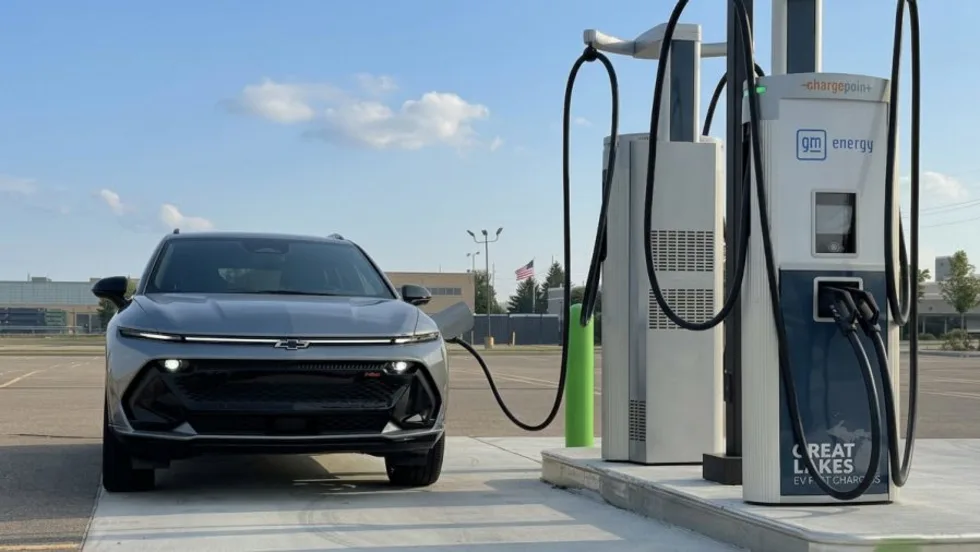
ChargePoint Now Available in Energy Pass
ChargePoint and additional planned charging network integrations were added to GM's Energy Pass.
Read More →
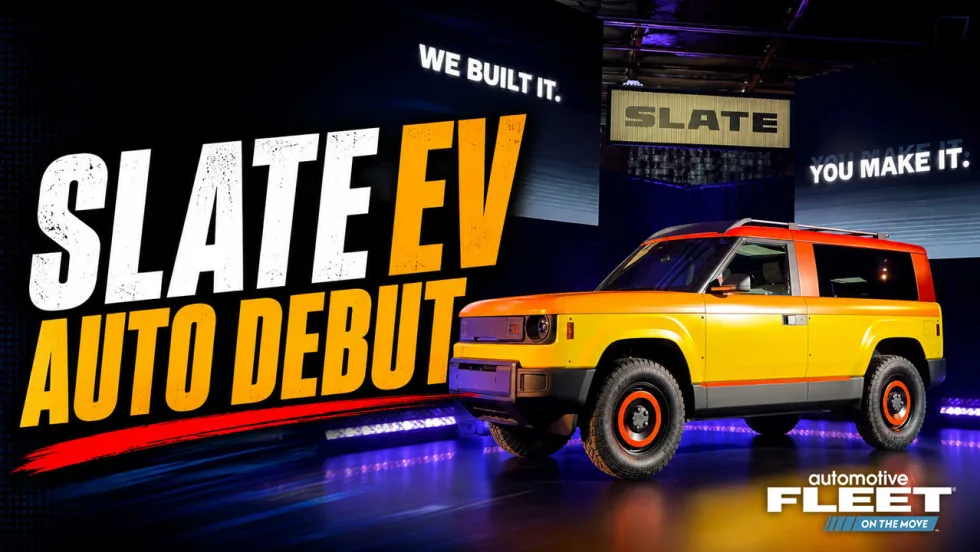
First Look: Slate Auto's Electric Fleet Pickup
Could an affordable, modular EV pickup make electrification more practical for fleets?
Read More →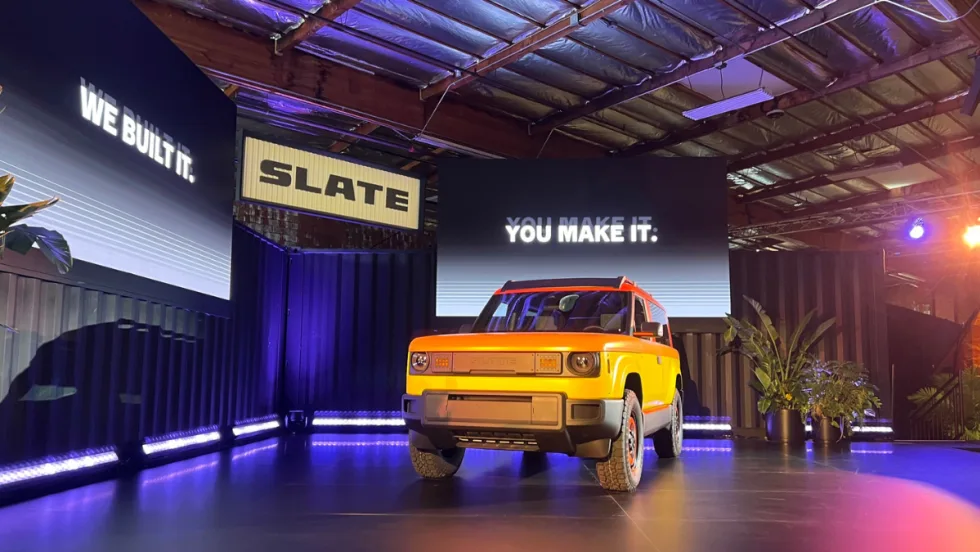
Slate Debuts Colorful, Unique EV Models
A recent media and client event, studded with electric vehicles dressed up on platforms, planted a new position for the manufacturer in the wider EV market. Fleets will find cost-saving advantages.
Read More →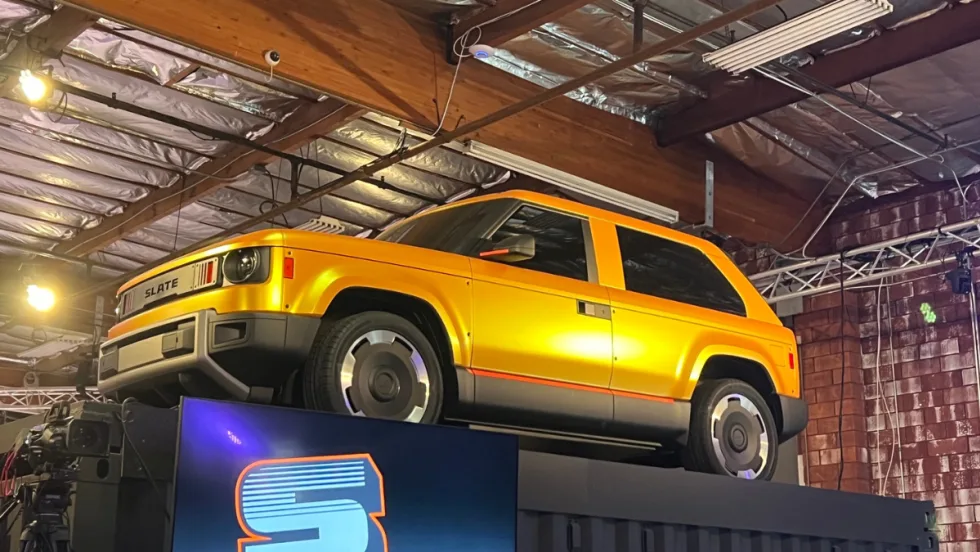
Slate Electric SUV, Pickup Switchable Model Aims For Light-Duty Fleets
Everything about this EV is counterintuitive and understated, making it stand out from the crowd.
Read More →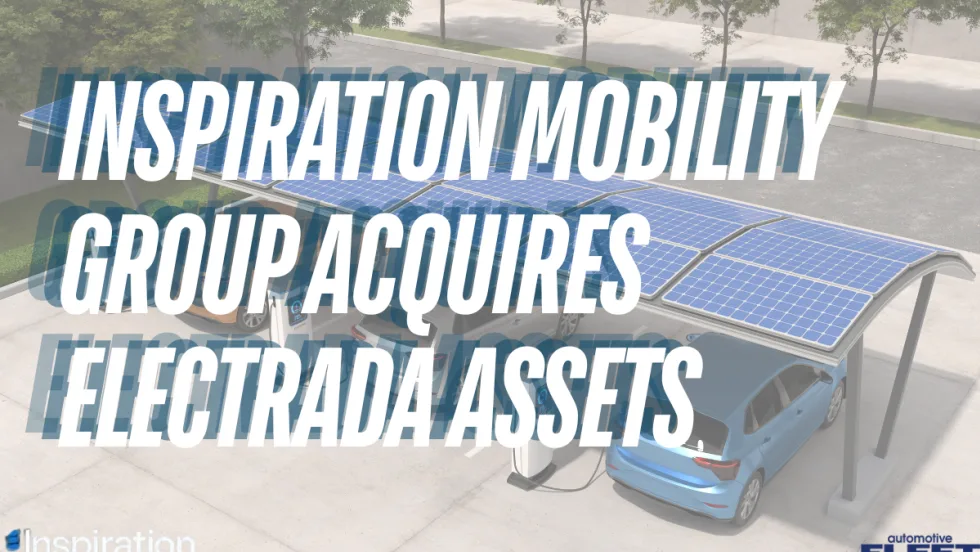
Inspiration Mobility Acquires Key Electrada Assets
Inspiration Mobility Group has acquired select assets of Electrada, adding the fleet electrification provider's team, technology, and charging infrastructure development capabilities to its energy management business.
Read More →
Why America’s Most Popular Vehicle is So Hard to Electrify
Turning America’s favorite workhorse electric means balancing range, payload, charging infrastructure, and price, an equation automakers are still trying to solve.
Read More →