





Related: Ford Partners With Lyft to Test Self-Driving Vehicles
Ford, Lyft, and Uber to Share Data to Improve Urban Mobility
The data sets pledged by the companies will provide the public and private sectors with new tools to manage curb space in order to reduce congestion and emissions that cause climate change.
September 26, 2018

The partnership gives mayors unparalleled access to road traffic data, allowing them to make better planning and investment decisions as shared and autonomous mobility arrive in their cities.
Photo courtesy of Ford.
4 min to read
Ford Motor Company, Uber, and Lyft have announced a commitment to SharedStreets, a new data platform designed to make it easier for the private sector to work with cities around the world and leverage data to improve urban mobility.
The data sets pledged by the companies will provide the public and private sectors with new tools to manage curb space in order to reduce congestion and emissions that cause climate change; improve the efficiency of city streets by making it easier for everyone to get around; and save lives by preventing traffic crashes.
The partnership gives mayors unparalleled access to road traffic data, allowing them to make better planning and investment decisions as shared and autonomous mobility arrive in their cities. The agreement also fills a long-missing link for mobility companies, providing a common standard for sharing data across all cities, where local requirements currently vary widely.
“The private and public sectors need to come together and collaborate on ways to create smarter, safer and more efficient transportation systems,” Dara Khosrowshahi, CEO of Uber, said in a Sept. 26 statement. “It’s the responsibility of companies like ours to step up and support cities in every way we can — whether that’s through data sharing, urban planning research, funding for nonprofits, or even through the introduction of new and more efficient forms of transportation like electric bicycles.”
Launched earlier this year with funding from Bloomberg Philanthropies, SharedStreets is a universal data language for sharing information about city streets and a launching pad for public-private collaboration to manage streets, reduce traffic deaths, and prepare cities for the unprecedented technological advancement emerging in cities. Already operating in over 30 cities around the world, the SharedStreets platform and this new partnership will provide city leaders with far-reaching new instruments for managing transportation networks.
The agreement includes:
Ford: developing a universal data standard for real-time curb demand and availability. With this tool, cities will be able to responsibly price and manage curb space in real-time, for the first time. It will provide a down payment on a global, comprehensive roadway pricing mechanism that cities and companies can use to encourage sustainable transportation choices, reallocate road space, and reduce carbon emissions.
Uber: producing the first-ever freely available global data set of vehicle driving speeds. Building on one of the first features developed by SharedStreets, Uber will release vehicle speed data from cities around the world. With this critical data, cities can identify where exactly on their streets people are speeding or otherwise driving dangerously, so that they can redesign streets and save lives. Uber will include this speed in an update of its open-source Kepler.gl tool, providing cities everywhere with innovative new tools for data visualization and information sharing. Lyft will follow with a release their own city speed data set.
Lyft will join SharedStreets and Uber to produce a universal framework for sharing curbside pick-up/drop-off counts. Building on an early SharedStreetsfeature first announced with Uber, Lyft will also collaborate on a model for providing anonymized, aggregated curb usage data to leading cities everywhere. With this model, city leaders can understand where for-hire vehicle trips are in the greatest demand, so that they can reduce congestion, make our curbsides more innovative and efficient, and better serve everyone on foot, on a bike or behind the wheel.
“We are committed to partnering with cities and data-driven decision making to design streets that provide safe and accessible transportation for everyone," said John Zimmer, president and co-founder of Lyft. "We look forward to collaborating with regulators to expand affordable mobility options, taking cars off the road and reducing congestion, and ultimately reshaping cities around people — not cars.”
In addition to launching the new tools and partnerships, NACTO, representing 74 cities and transit agencies across North America, and global cities from Paris to Melbourne formally endorsed the data sharing policies of SharedStreets, committing to working collaboratively with the private sector. They join the six cities that have participated in pilots to develop new data standards and features or that have been formally trained on the platforms new tools and capabilities, together reaching more than millions city residents around the globe.
The public-private partnership is the result of a collaboration with the National Association of City Transportation Officials (NACTO), the Open Transport Partnership, and Bloomberg Philanthropies, the consortium behind the SharedStreets data platform.
“Collaborating through initiatives such as Shared Streets will enable us to use vehicles, road systems and data together to create a new roadmap for mobility," said Jim Hackett, president and CEO of Ford Motor Company. "We are working toward a future where all cities are smart and curb space is actively managed, increasing efficiency and safety, while reducing driver stress and pollution.”
This collaborative effort to build 21st-Century streets was announced Jim Hackett, Khosrowshahi, and Zimmer at the second annual Bloomberg Global Business Forum in New York City.
They were joined by Janette Sadik-Khan, principal at Bloomberg Associates and chair of NACTO, on behalf of Michael Bloomberg, the founder of Bloomberg Philanthropies and mayor of New York City from 2002 to 2013.
Topics:Autonomous TechnologyMobilityFordRide-HailingLyftUberPublic-Private PartnershipData AnalysisOperations
Originally posted on Auto Rental News
More Operations

Fleet Has a Talent Pipeline Problem. What Comes Next? | AF News Recap
Where will fleet’s next generation of leaders come from? This week, we’re looking at the industry’s talent pipeline, what certification can add to a fleet career, how to build an award-worthy track record, and the return of Automotive Fleet’s Personal Use Survey.
Read More →
Smith System Launches Driver Risk Management Program
Fleets have more driver data than ever, but identifying risky behavior doesn't necessarily correct it. Smith System's new Driver Risk Management program combines monitoring, training, and follow-up coaching to help fleets connect risk signals with driver intervention.
Read More →
Automotive Fleet Opens 2026 Personal Use Survey for Commercial Fleet Managers
Less than two weeks left! Commercial and corporate fleet managers are invited to share how their organizations handle company vehicle personal-use policies, charges, and driver eligibility.
Read More →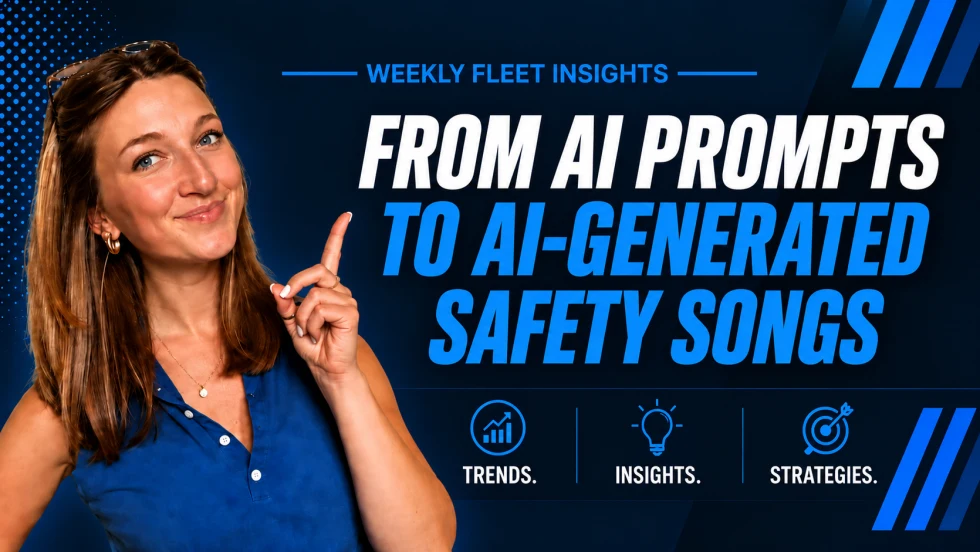
From AI Prompts to AI-Generated Safety Songs | AF News Recap
Can better prompts make AI more useful for fleet managers? This week, we’re breaking down smarter fleet analysis, an AI-assisted experiment that turned safety training into music, and what happened to fuel prices in August.
Read More →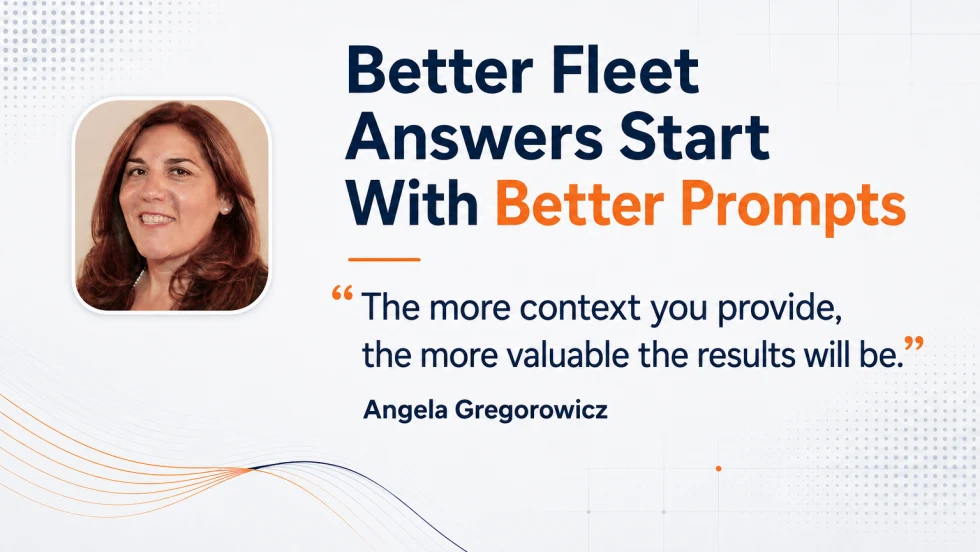
How to Write Better AI Prompts for Fleet Analysis
Include these six elements in your fleet prompts to generate more relevant analysis and accurate answers.
Read More →
Fleet Meets: Eric Kilgore
This edition of the Fleet Meets series features one of the industry's best leaders driving multi-market and national operations.
Read More →
Why Reactive Fleet Management Is Becoming Too Expensive to Sustain
Research highlights a growing need for proactive management strategies to address rising costs in fleet operations effectively.
Read More →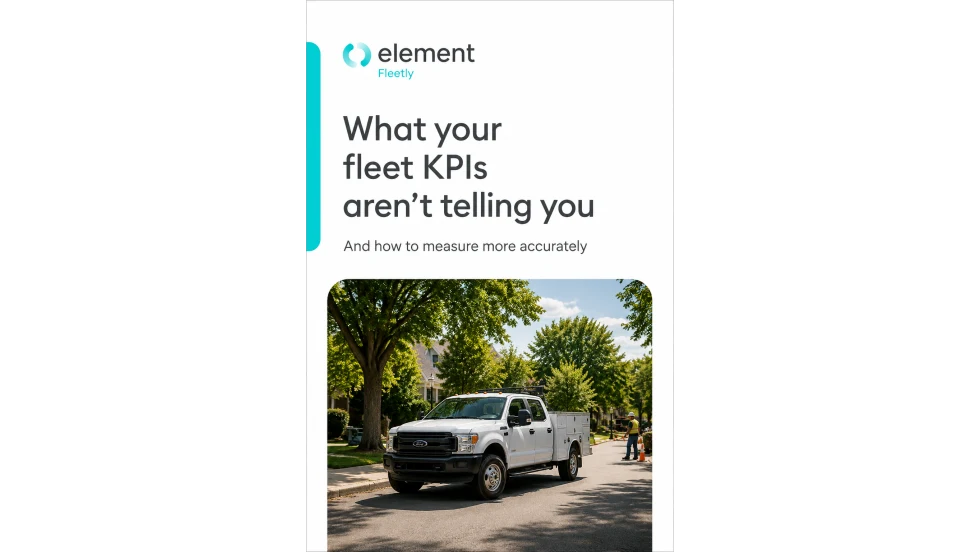
Sponsored•August 12, 2026
What Your Fleet KPIs Aren’t Telling You
Tracking fleet metrics is only useful when the data leads to better decisions. This guide helps fleet leaders assess cost, utilization, and downtime more accurately, identify performance gaps, and prioritize the actions that can improve operational results.
Read More →
Sponsored•August 7, 2026
Hidden in Plain Sight: Fleet Compliance Risks
Fleet compliance isn't just about having policies — it's about consistently enforcing them. This practical guide reveals six hidden compliance risks common in public sector and shared fleet operations and outlines proven strategies to improve visibility, accountability, and audit readiness
Read More →
Turning Fleet Payment Data into Executive Insights
Does data alone drive results in operations?
Read More →