




DEARBORN, MI – Ford Motor Co. announced on May 24 that its color and materials designers are working on ways to introduce new recycled commodities and materials into cars and trucks of the future, reducing the impact of interior components on the company’s ecological “footprint.” Ecological footprints are a way of describing the demands placed on the environment and for the use of the planet’s renewable and non-renewable resources. Within the next few years, recycled and recyclable forms of carpet, fabric, plastics, and other materials could start making their appearance within the Ford North American brands, said Jeffrey Post, design manager, Advanced Material/Brand Strategy for Color and Material design team. Post-industrial or post-consumer recycled content and other sustainable material could someday be used for seating, instrument panels, headliners, flooring, or other components. So far, a small number of automotive companies have developed recycled and recyclable materials suitable for use in vehicle interiors. The Advanced Color and Materials team is educating existing auto suppliers about opportunities for sustainable materials and processes used to produce those materials and/or parts. Companies in separate industries are looking at ways of using each other's waste streams productively. Ford is already working with companies of this kind who specialize in helping other companies come up with ways to use waste streams and promoting cooperation among firms. “People are saying, 'You have some waste that maybe I can use, but now I need to figure out what that product might be,'” said Lisa Nicol, designer with the Advanced Color and Materials. She says it would be a mistake to presume that recycled materials would be less than first-class. “These are going to be materials that look nice and feel nice — and they just happen to be made from recycled raw materials.” One reason for her optimism: Some of the new materials incorporate raw materials that have been regenerated from post-industrial waste streams, not post-consumer waste. That means they are using the remnants from the process of producing a new product, be it carpet, tennis shoes, plastic food containers, or other items. Regenerating and using post-industrial waste for materials, or up-cycling, helps to reduce the amount of virgin raw materials needed to produce a finished product. Those leftover materials have many of the same properties as virgin materials. While many sustainable or recycled materials are used now in Ford vehicles for under-hood componentry, Nicol notes that these new materials and sustainable innovations will come in direct contact with the customer. That effort won’t be lost on the consumer, she said. Although his team’s mission primarily involves surfaces, Post said its members are working with the Ford sustainability office and the scientific research and development lab to identify foams and other non-visual support materials beneath the surfaces that could be made recyclable or made from recycled materials. “In this way, we might be able to create an entire fully sustainable part or module,” he said. “We are currently involved in our testing phase on carpets, fabrics, rubber and other regenerated cover material on a production vehicle that is in our cycle plan,” Post said. Placement in vehicles scheduled for 2008- or 2009-model years is possible, he said. Ford defines sustainability as creating value while preserving environmental and social capital. In this view, environmental capital will be preserved if the manufacturing of interior surface components leaves as little waste as possible in its wake.
Ford Looks to Use More Recycled Materials in Cars and Trucks of the Future
DEARBORN, MI – Ford Motor Co. announced on May 24 that its color and materials designers are working on ways to introduce new recycled commodities and materials into cars and trucks of the future, reducing the impact of interior components on the company's ecological “footprint.”
More Operations

BBL Fleet Acquires Velcor Leasing Corporation
BBL Fleet expanded its footprint in the fleet management industry with the acquisition of Velcor Leasing Corporation of Madison through a stock purchase agreement finalized Feb. 27, 2026.
Read More →
Lytx Introduces New AI Fleet Technologies at Protect 2026
The company introduced new AI-driven fleet safety and operations technologies during its annual user conference.
Read More →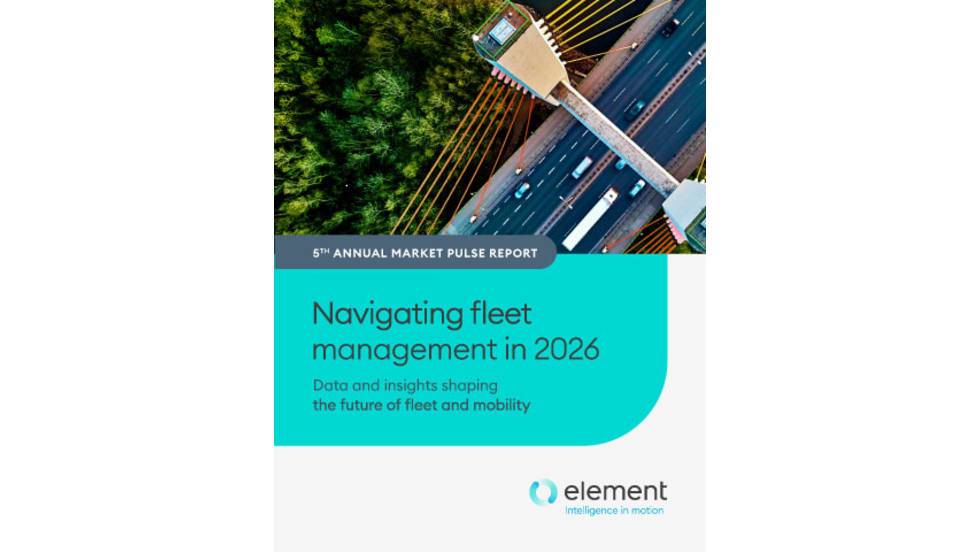
Fleet Costs Are Rising: Here’s How Leaders Are Responding
Fleet leaders are under pressure to reduce costs, adapt to economic uncertainty, and make smarter decisions. See how peers across North America are responding with real data, proven strategies, and forward-looking insights. Download the 2026 Market Pulse Report to benchmark your strategy and uncover where you can gain an edge.
Read More →
From Waffle House to AI: Fleet Trends You Need to Know
In this AF news recap, host Faith Howell covers how Waffle House stepped up during disaster response and new AI tech on the market.
Read More →
Fleet Operations in the Age of AI: Navigating Ethical and Legal Challenges
AI is no longer a future concept for fleets—it’s already embedded in the tools, data, and decisions that operators rely on every day. In this episode of the Fleet Forward Podcast, recorded live at Fleet Forward, industry leaders take the conversation beyond hype to examine what responsible AI adoption really looks like in fleet operations.
Read More →
Factory Installed vs. Aftermarket: Choosing the Right Telematics Path & Managing the Data
As fleets rethink how they capture, manage, and act on vehicle data, telematics is at a major inflection point. In this episode of the Fleet Forward Podcast, we dive deep into one of the most pressing questions facing fleet leaders today: Should you rely on OEM factory-installed connectivity, aftermarket devices, or a hybrid of both?
Read More →
What Real-Time Data Reveals About EV Cost, Performance, and Scalability
Experts from telematics analytics, fleet-as-a-service operations, and national EV benchmarking share how real-time data is reshaping fleet strategy—dispelling assumptions, validating best practices, and exposing costly missteps.
Read More →
Planning Through Policy Shifts: What Fleets Must Track in 2026
A powerhouse panel featuring experts from the American Automotive Leasing Association, CalSTART, and municipal fleet leadership dives into the realities of navigating shifting emissions rules, regulatory waivers, federal agency actions, the future of the EPA’s endangerment finding, and the push for unified standards. They also examine the impacts of tariffs, autonomous vehicle policy, battery innovation, and the accelerating global EV market.
Read More →
Managing Market Turbulence with Strategic Fleet Insights
This episode kicks off with a deep dive into the technologies and market forces reshaping today’s fleet landscape. Host Chris Brown is joined by Laolu Adeola (Leke Services), Tyson Jomini (J.D. Power), and Richard Hall (ZappiRide) to break down real-world data, shifting incentives, and practical strategies fleet leaders can use right now.
Read More →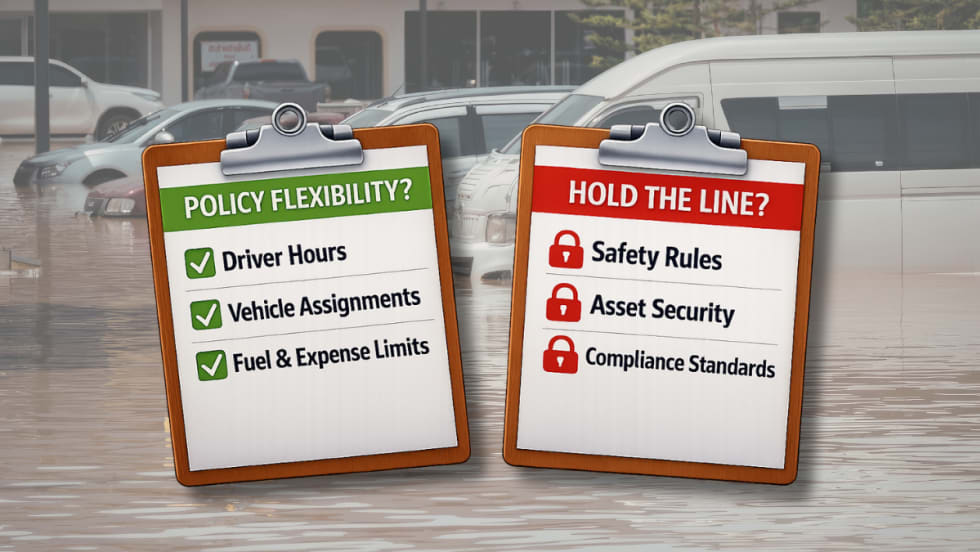
Adapting Fleet Policy When Disasters Strike
In the middle of natural disasters fleet managers must shift priorities to protect people and assets. What policy items should be loosened, and when should the line be held?
Read More →