




Ford Looking to Use Google’s Prediction Technology to Optimize Vehicle Performance
SAN FRANCISCO – Ford is using Google’s Prediction API software technology to identify techniques that could help the automaker build vehicles capable of independently altering their performance to improve fuel efficiency and driveability.
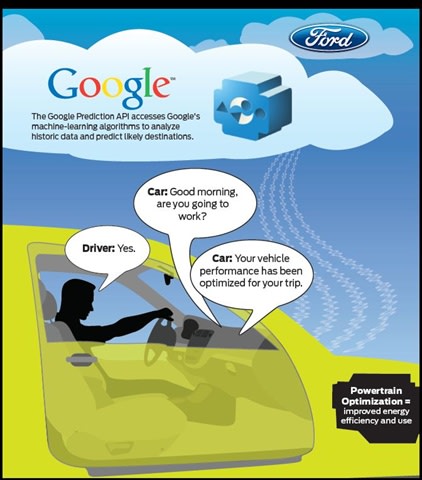
This diagram illustrates an example of how Ford could use Google's Prediction API to improve vehicle performance. Click on the image for a larger view.
SAN FRANCISCO – Ford is using Google’s Prediction API software technology to identify techniques that could help the automaker build vehicles capable of independently altering their performance to improve fuel efficiency and driveability.
Ford said its researchers are applying Google’s Prediction API to two years of the automaker’s own predictive driver behavior research and analysis. The Google API can convert information, such as historical driving data, for example locations a driver traveled to and the time of day for the trip, into real-time predictions of where a driver is traveling to at a given departure time. The automaker is hoping to use this data, which would be stored in the “cloud,” to develop automotive systems that would allow a vehicle to optimize its performance based on driving route, for example.
“The Google Prediction API allows us to utilize information that an individual driver creates over time and make that information actionable,” said Ryan McGee, technical expert, Vehicle Controls Architecture and Algorithm Design, Ford Research and Innovation. “Between Google Prediction and our own research, we are discovering ways to make information work for the driver and help deliver optimal vehicle performance.”
Ford gave an example where, after a vehicle owner opts into the service (in the case of fleets, a company decides to opt into using this service) the system would build an encrypted driver data usage profile based on routes and travel times. After starting the vehicle, the system would use this prediction technology to use historical driving behavior, along with current location and time of day, to predict the most likely destination and optimize driving performance to and from that destination.
The system would allow a driver to change destinations if needed. Ford gave the example of an on-board computer checking whether the driver is traveling to work, and if the driver says yes, the vehicle would optimize the powertrain control strategy for the trip to work.
In the case of a plug-in hybrid, the predicted route could include an area restricted to electric-only driving, and the vehicle could program itself to optimize energy use during the trip to preserve enough battery power to switch to all-electric mode in the EV-only zone.
“Once the destination is confirmed, the vehicle would have instant access to a variety of real-time information so it can optimize its performance, even against factors that the driver may not be aware of, such as an EV-only zone,” said McGee.
The Google Prediction API is one example of a technology that is helping Ford open doors to new predictive possibilities powered by the cloud.
“Ford already offers cloud-based services through Ford SYNC®, but those services thus far have been used for infotainment, navigation and real-time traffic purposes to empower the driver,” said Johannes Kristinsson, system architect, Vehicle Controls Architecture and Algorithm Design, Ford Research and Innovation. “This technology has the potential to empower our vehicles to anticipate the driver's needs.”
The automaker said it is now studying the feasibility of incorporating other driver-specific behaviors, such as driver style and habits, into the optimization process, which Ford said would allow the vehicle and driver to work together to maximize energy efficiency. Ford said that information security is a critical part of this research.
“We realize that the nature of this research includes the use of personal data and location awareness, something we are committed to protecting for our customers in everything we do,” said Kristinsson. “A key component of this project is looking at how to develop secure personal profiles that will ensure appropriate levels of protection and specific data use only by the driver and the vehicle to deliver the best driving experience.”
More Telematics
Element Expands Waymo Partnership to Support Toronto Robotaxi Fleet
As Waymo prepares to enter the Canadian market, Element Fleet Management will oversee the fleet operations supporting its planned Toronto launch. The partnership highlights the maintenance, charging, and infrastructure requirements behind operating autonomous vehicles at scale.
Read More →
GM Launches OnStar Fleet Intelligence Platform With AI Assistant
The new platform brings vehicle data, order tracking, connected services and fleet analytics into one system, with an AI assistant that can answer fleet questions using natural-language prompts.
Read More →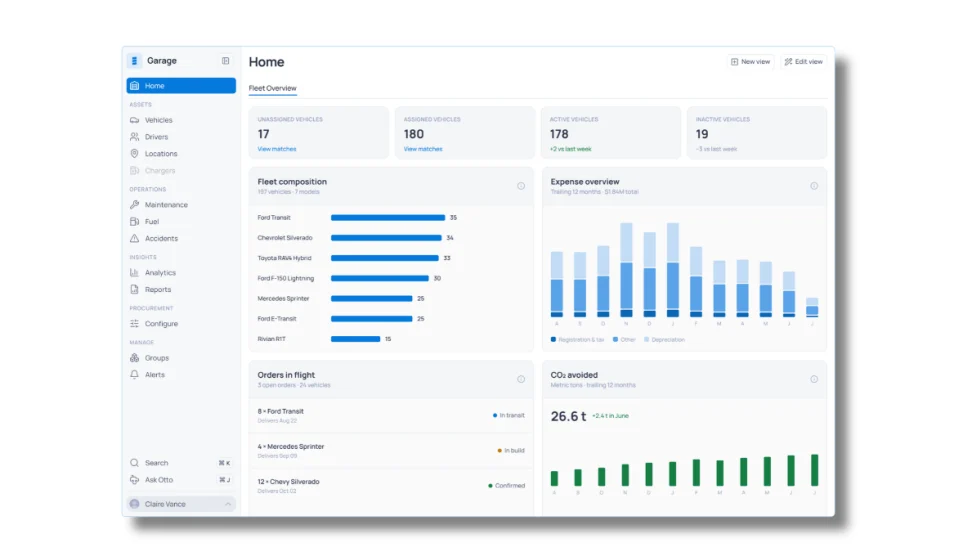
Inspiration Fleet Introduces Garage 2.0 Fleet Intelligence Platform
Fleet managers increasingly have access to data from vehicles, telematics, fuel, charging, and other systems, but those sources don't always communicate with one another. Inspiration Fleet's Garage 2.0 platform brings that information together while letting fleets keep working with different technology and service providers.
Read More →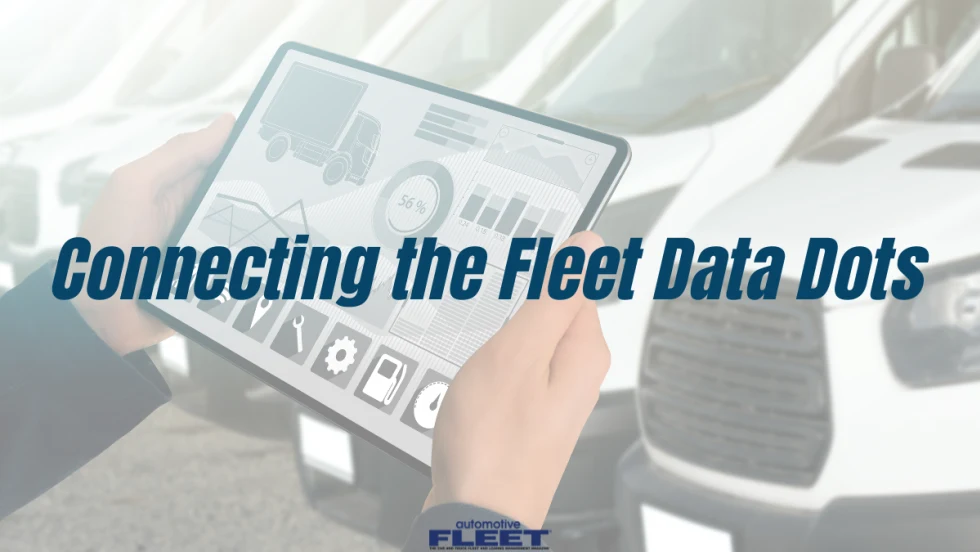
Inside Inspiration Fleet’s New Platform for Connecting Fleet Data
Inspiration Fleet CTO Chris Getner explains how the new Garage 2.0 platform is designed to connect disparate fleet data and what that could mean for fleet managers in practice.
Read More →
Fleet Manager’s Ultimate Playbook: Navigating the New Standard in OEM Connectivity
Rising operating costs, driver safety concerns, and unplanned downtime are putting unprecedented pressure on modern fleets. Discover how fleet managers use embedded OEM connectivity and real-time vehicle data to cut TCO, prevent downtime, and protect drivers without aftermarket telematics hardware.
Read More →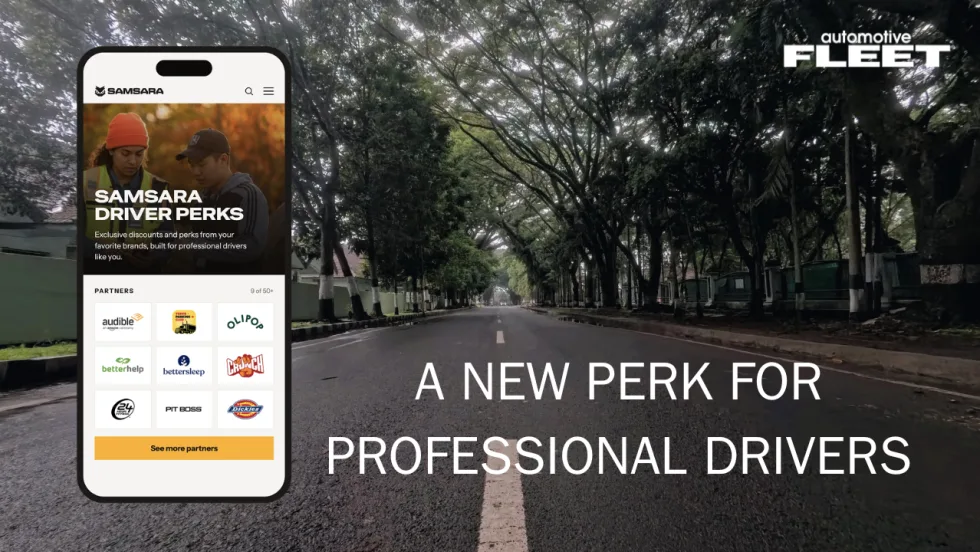
Samsara Driver Perks Adds New Benefit for Corporate Fleet Drivers
The rewards program gives eligible professional drivers access to discounts from more than 50 brands while giving fleets another way to support recruitment, retention, and the driver experience.
Read More →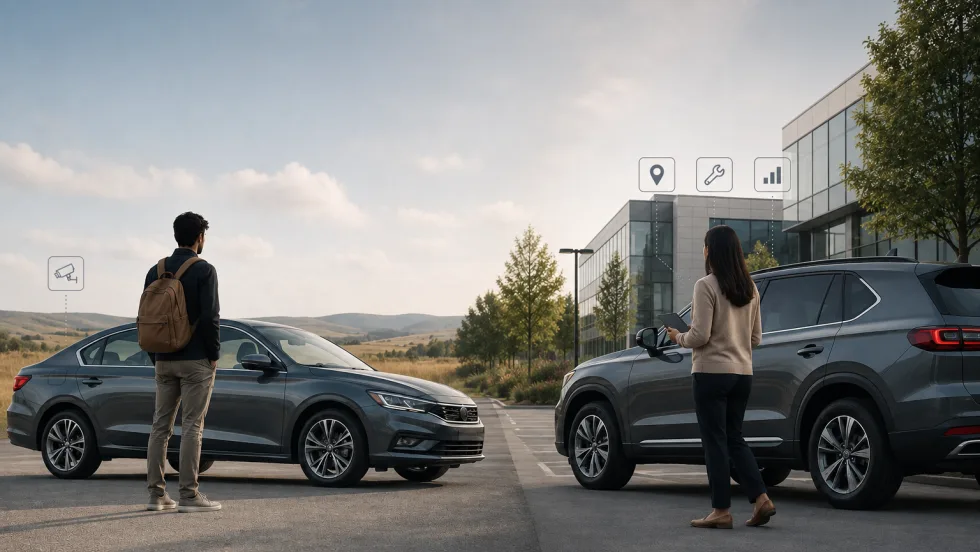
Inside the Church of Jesus Christ of Latter-day Saints’ Two-Track Telematics Strategy
With 20,000 vehicles and two fundamentally different driver populations, the Church faced a fleet management problem that a single telematics program couldn't solve. How it responded offers a replicable framework for any fleet where one size doesn't fit every driver.
Read More →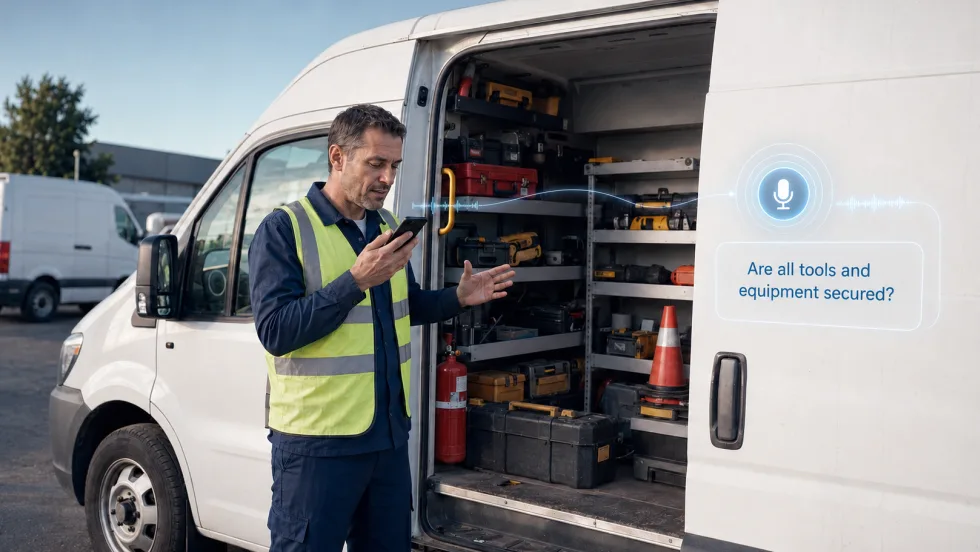
How Conversational AI Can Make Fleet Tasks Easier for Drivers
While most generative AI tools help fleet managers interpret data at their desks, Connex2X is applying voice interaction to tasks behind the wheel.
Read More →
Why Fleets Are Creating Dedicated Fleet Analyst Positions
Are fleet analyst positions the new norm? Listen here to find out.
Read More →
Teletrac Navman Begins Next Chapter as Standalone Private Company
What's new with Teletrac Navman and its new owner?
Read More →