Ford Lists 12 Top Fuel-Efficient Vehicles in Lineup
DEARBORN, MI Ford provided an overview of 12 of its fuel-efficient models as well as the technologies that have enabled fuel-efficiency improvements.
by Staff
February 28, 2011
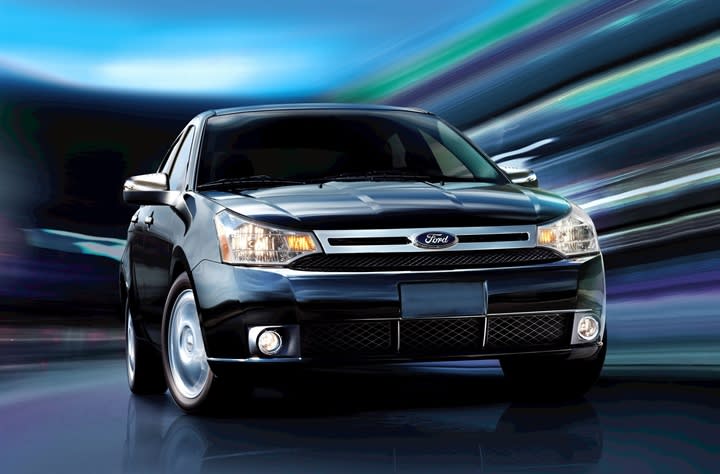
The 2011 Ford Focus.
2 min to read
DEARBORN, MI – Ford cited 12 cars, trucks, and SUVs in its lineup that are designed with improved fuel economy characteristics. The automaker stated that the vehicles that get better than 40 mpg are the Ford Focus SFE, which the EPA recently rated at 40 mpg; the 41 mpg city Fusion Hybrid; the 40 mpg highway Fiesta; and the Lincoln Hybrid MKZ, which gets 41 mpg city.
Outside of this group, the company listed a number of other fuel-efficient vehicles, including the following:
Ad Loading...
F-150, which gets 17 mpg city and 23 mpg highway
Super Duty, which has the 6.7L Power Stroke diesel engine and gets 20-percent better fuel economy than the previous 6.4L, according to the automaker
Edge, which gets 19 mpg city and 27 mpg highway. The company said its 2012 model will feature the upcoming 2.0L EcoBoost engine, which the company expects will provide even better fuel economy
Escape Hybrid, which gets 34 mpg city and 31 highway, according to 2010 EPA estimates
Ford Mustang, which gets 31 mpg highway with its 3.7L V-6 engine and six-speed automatic transmission
Transit Connect, which offers an estimated 21 mpg city and 26 highway
Ranger, which gets an EPA-estimated fuel economy of 22 mpg in the city and 27 on the highway for the 2.3-liter I-4 engine, based on 2010 ratings
The company cited a number of technologies that it’s using to achieve better fuel economy. The company said in 2010 it launched nine new engines and six new six-speed transmissions. Many of Ford’s new powerplants include fuel-saving technologies such as:
Twin independent variable camshaft timing (Ti-VCT): This technology enables the engine to operate at peak efficiency by continually adjusting the precise moment the intake and exhaust valves open.
Gasoline direct injection (GDI): This improves efficiency by raising the compression ratio and by using precise amounts of fuel placed directly in the combustion chamber.
Turbocharging: This uses exhaust gases to pressurize the engine cylinders with a more dense mixture of fuel and air, increasing power.
EcoBoost: This technology uses direct injection, turbocharging and variable valve timing to allow four-cylinder engines to deliver the power of V6s and V6s to deliver the power of V8s. EcoBoost engines save fuel in part because they burn less fuel and because they weigh less than the larger-displacement engines they replace, Ford stated.
EPAS: This eliminates drag on the engine by replacing the hydraulic pump with an electric motor. EPAS, available on Ford Mustang, F-150, Fiesta, the new Focus, and other vehicles improves fuel economy by approximately 4 percent, according to the company.
For fleet managers, fuel is one of the biggest line items in the budget — and it's one hybrids can shrink without changing how your people work. Download the eBook to see the numbers, understand the technology, and get a step-by-step guide to making the switch.
James Victory of NOV discusses how the company manages fleet safety, maintenance, and telematics across more than 150 locations supporting oilfield operations throughout the U.S.
Departmentally assigned vehicles often create hidden costs through underutilization, poor visibility, and increased administrative burden. This white paper explores how shared motor pool strategies help fleets reduce costs, improve accountability, and optimize vehicle utilization.
BBL Fleet expanded its footprint in the fleet management industry with the acquisition of Velcor Leasing Corporation of Madison through a stock purchase agreement finalized Feb. 27, 2026.
Fleet leaders are under pressure to reduce costs, adapt to economic uncertainty, and make smarter decisions. See how peers across North America are responding with real data, proven strategies, and forward-looking insights. Download the 2026 Market Pulse Report to benchmark your strategy and uncover where you can gain an edge.
AI is no longer a future concept for fleets—it’s already embedded in the tools, data, and decisions that operators rely on every day. In this episode of the Fleet Forward Podcast, recorded live at Fleet Forward, industry leaders take the conversation beyond hype to examine what responsible AI adoption really looks like in fleet operations.