




Ford Fusion Hybrid Team Reaches Mark in '1,000-Mile Challenge'
WASHINGTON, D.C. --- At 9:08 a.m. on April 27, the 2010 Ford Fusion Hybrid team hit the 1,000-mile mark on a single tank of gas, and the team is continuing its fuel-efficiency challenge with nearly one-third of a tank of fuel remaining.
WASHINGTON, D.C. --- At 9:08 a.m. on April 27, the 2010 Ford Fusion Hybrid team hit the 1,000-mile mark on a single tank of gas, and the team is continuing its fuel-efficiency challenge with nearly one-third of a tank of fuel remaining, Ford said.
The 1,000-mile mark was achieved with the Fusion Hybrid 1,000-Mile Challenge team leader and NASCAR driver, Carl Edwards, behind the wheel. Other team members include world-record breaking hypermiler Wayne Gerdes and several Ford hybrid engineers.
The 1,000-Mile Challenge started at 8:15 a.m. on Saturday, April 25, from Mount Vernon, Va., and is expected to end on Tuesday, April 28 in Washington, D.C.
A regular production version of the Fusion Hybrid delivered over 80 miles per gallon over the course of 47 hours of continuous driving. The team will continue to drive until the fuel tank is depleted, Ford said.
The vehicle is being put to the test to "demonstrate Ford's commitment to be the best, or amongst the best, in fuel economy in every vehicle segment in which it competes and to raise funds for the Juvenile Diabetes Research Foundation in the process," the automaker said.
As part of the event, the team is conducting clinics for media and customers in the Fusion Hybrid, providing interviews and vehicle demonstrations on how simple techniques can make a significant difference to real-world fuel economy numbers.
Mileage-maximizing techniques that the Ford team used and recommend include:
Slowing down and maintaining even throttle pressure
Gradually accelerating and smoothly braking
Maintaining a safe distance between vehicles and anticipating traffic conditions
Coasting up to red lights and stop signs to avoid fuel waste and brake wear
Minimizing use of heater and air conditioning to reduce the load on the engine
Closing windows at high speeds to reduce aerodynamic drag
Applying the "pulse and glide" technique while maintaining the flow of traffic
Minimizing excessive engine workload by using the vehicle's kinetic forward motion to climb hills, and using downhill momentum to build speed
Avoiding bumps and potholes that can reduce momentum.
More Green Fleet
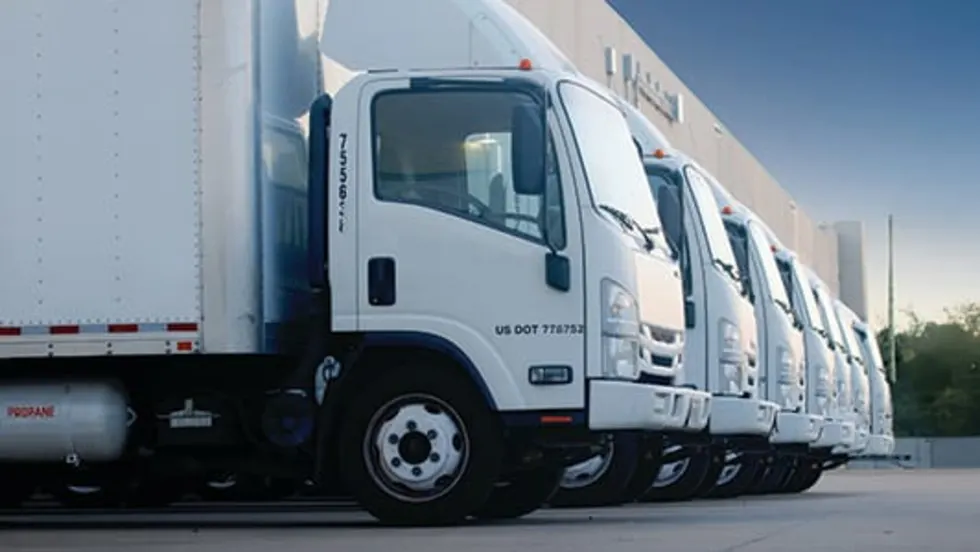
New Propane Autogas Program Offers Fleet Compensation
Qualified commercial fleets can receive $7,500 per eligible propane autogas vehicle and up to $10,000 for new refueling site prep. Learn how the program works and see whether your fleet qualifies.
Read More →
EV Charging Use Is Outpacing Infrastructure Growth
ChargePoint’s 2026 Charging Forward Report points to rising charger use, higher-powered charging, commercial vehicle electrification, and energy-management technology. Here’s what fleets should know.
Read More →
Merchants Fleet Reports 290M EV Miles as Fleets Navigate Changing Electrification Market
From millions in operating savings to hundreds of millions of EV miles, Merchants Fleet’s latest report reveals what’s working and what’s changing in fleet electrification.
Read More →
The EV Breakdown Nobody's Talking About: Why Most Electric Vehicle Roadside Calls Aren't Mechanical Failures
Here's why EV breakdowns are widely misunderstood.
Read More →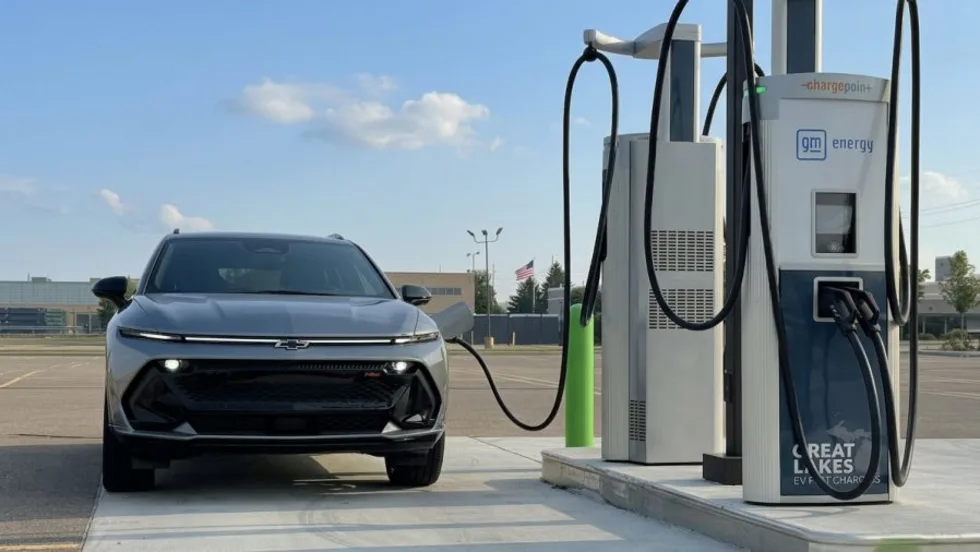
ChargePoint Now Available in Energy Pass
ChargePoint and additional planned charging network integrations were added to GM's Energy Pass.
Read More →

First Look: Slate Auto's Electric Fleet Pickup
Could an affordable, modular EV pickup make electrification more practical for fleets?
Read More →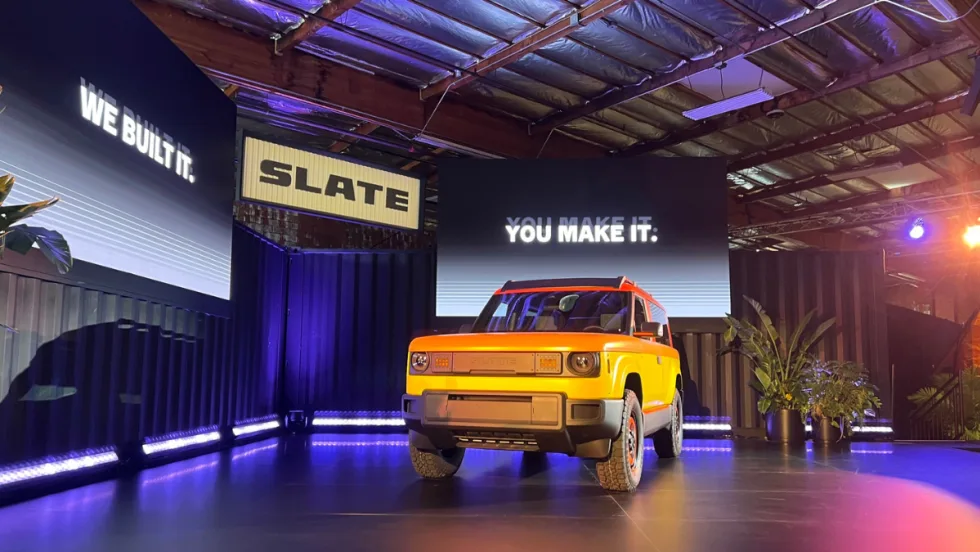
Slate Debuts Colorful, Unique EV Models
A recent media and client event, studded with electric vehicles dressed up on platforms, planted a new position for the manufacturer in the wider EV market. Fleets will find cost-saving advantages.
Read More →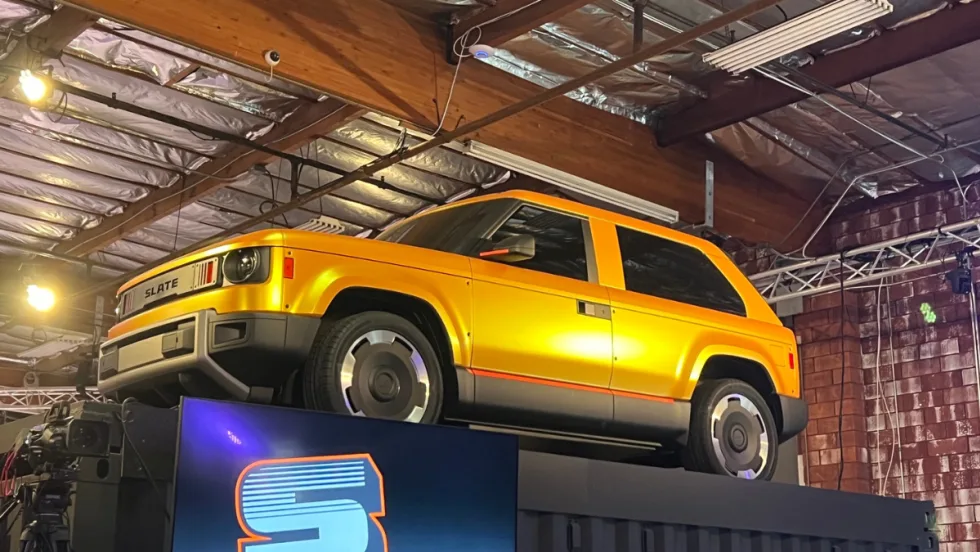
Slate Electric SUV, Pickup Switchable Model Aims For Light-Duty Fleets
Everything about this EV is counterintuitive and understated, making it stand out from the crowd.
Read More →
Inspiration Mobility Acquires Key Electrada Assets
Inspiration Mobility Group has acquired select assets of Electrada, adding the fleet electrification provider's team, technology, and charging infrastructure development capabilities to its energy management business.
Read More →