




Related Photos: Salvation Army's Disaster Relief Van
Ford Donates Custom Transit to Salvation Army
Ford has donated a custom Transit Van to support the Salvation Army's disaster relief efforts in southeast Michigan, Ford has announced.
by Staff
April 15, 2016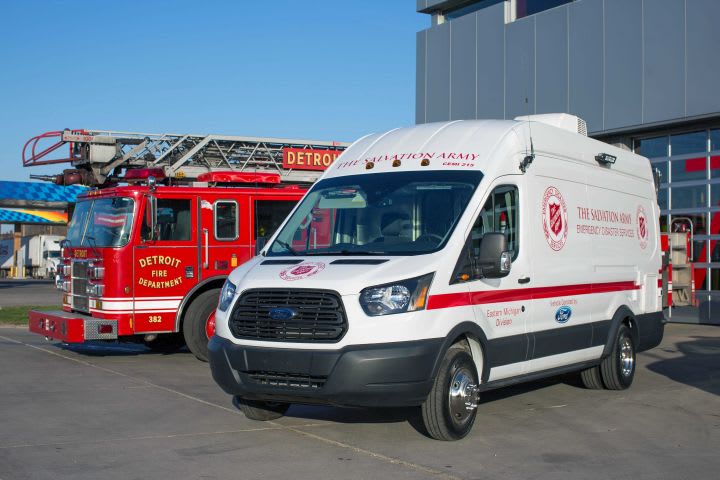
Photo courtesy of Ford.
2 min to read
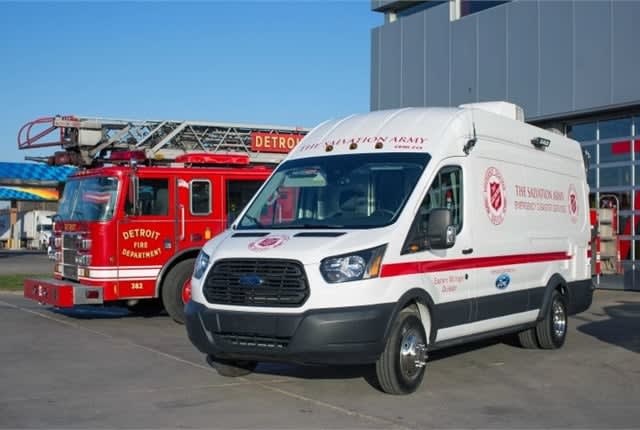
Photo courtesy of Ford.
Ford has donated a custom Transit Van to support the Salvation Army's disaster relief efforts in southeast Michigan, Ford has announced.
The 2016 Transit 350 cargo van will serve as a disaster response unit as part of The Salvation Army Eastern Michigan Division Emergency Disaster Services' canteen fleet. Ford will also donate a similar Transit in Kansas City.
The Salvation Army's regional disaster services volunteer team responds to calls for help from local authorities, and provides food, beverages, blankets, clothing, temporary shelter, communications support, emergency lighting, clean-up kits and comfort to victims and families of major disasters. The team also aids police, firefighters and other first responders at the emergency scene.
The high-roof Transit 350 cargo van has been set up with custom equipment such as emergency LED strobe lighting in the grille and roof, as well as sirens and external speakers. A generator and ham radio antenna will help keep Emergency Disaster Services team connected during a disaster.
The extended-wheelbase van's 487 cubic feet of cargo space houses a two-burner stovetop, microwave, coffeemaker, refrigerator, freezer, sink and electric hot water heater. Further food service upfits include two water tanks, a water pump and countertops. Food will be served through a custom window with a fold-out stainless steel shelf protected by a 10-foot awning.
LED ceiling lights controlled by four switches will help improve interior visibility at disaster sites. The upfits were completed by Livonia-based Technosports Creative. The dual-rear-wheel van is powered by the 3.5L V-6 EcoBoost engine.
When fully stocked, the Transit can serve approximately 250 disaster victims and first responder personnel.
More Upfitting

A Behind-the-Scenes Tour of a Fleet Upfit Facility
Get a behind-the-scenes look at how Driverge takes fleet vehicles from pilot builds to production and shipping.
Read More →
National Fleet Services Marks 30 Years of Fleet Upfitting Operations
Thirty years after its founding, National Fleet Services says its fleet assessments continue to uncover opportunities for more efficient, durable, and cost-effective vehicle upfits.
Read More →
Sponsored•July 2, 2026
How to Upfit, Equip, and Accessorize EVs for Work
From payload constraints and range tradeoffs to safety considerations and rising upfront costs, this conversation breaks down the realities of upfitting electric work trucks and vans.
Read More →
Driving Performance Across Trade Fleets: Upfit Standardization Strategies & Best Practices
Check out the best upfitting strategies and practices for trade fleets.
Read More →
John Poindexter Shares Product Launches, Growth Strategy for 2026
After a major acquisition, JB Poindexter’s CEO outlines what’s next, from smarter camera systems to early AI integration, and whether more deals are on the horizon.
Read More →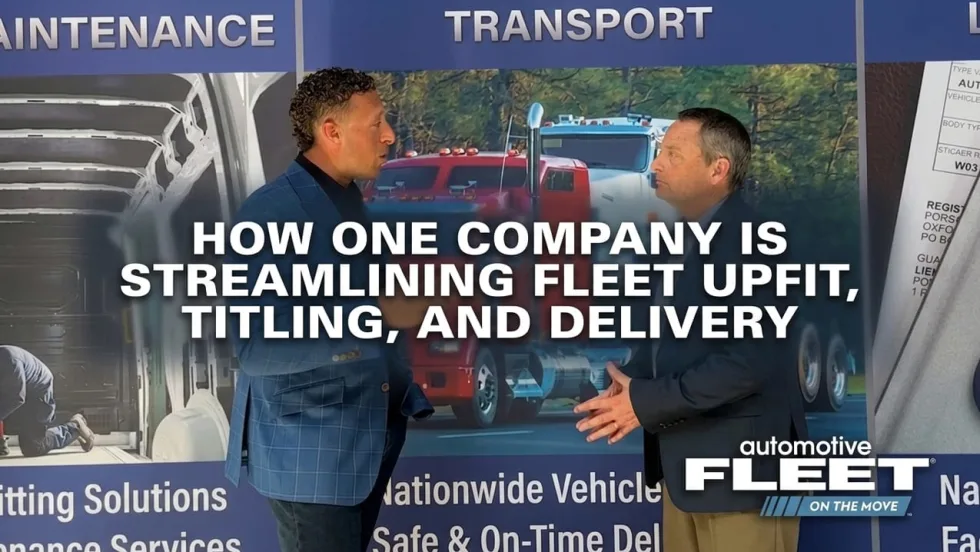
How One Company is Streamlining Fleet Upfit, Titling, & Delivery
Anew Solutions CEO Austin Schutte joins AF on the Move to discuss fleet upfitting, delivery logistics, and the importance of speed to completion in today’s fleet operations.
Read More →
Sortimo Presents New Upfitting Products
Sortimo detailed new racking systems, new floors, and more at Work Truck Week 2026.
Read More →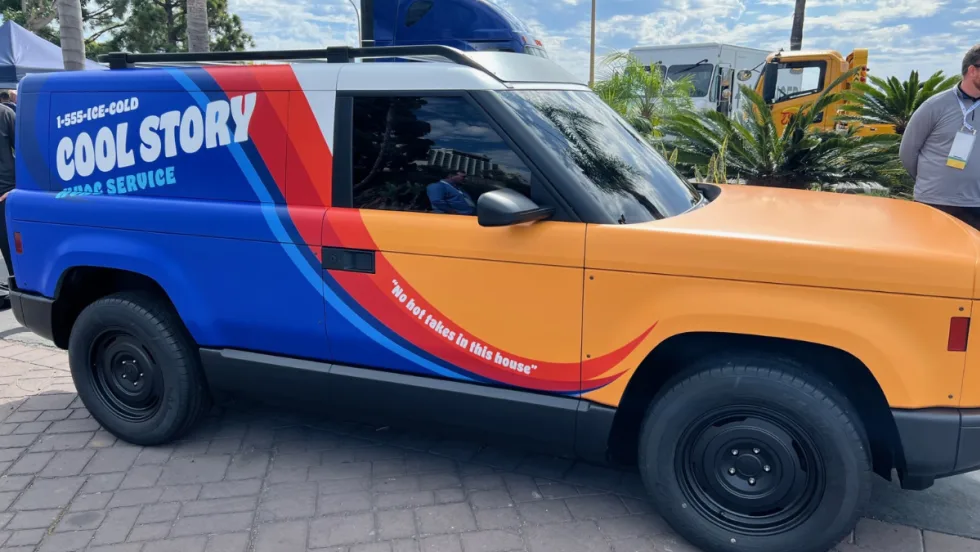
How To Upfit Electric Work Trucks and Vans
The biggest challenge lies in balancing additional equipment and accessories with EV battery capacity and range.
Read More →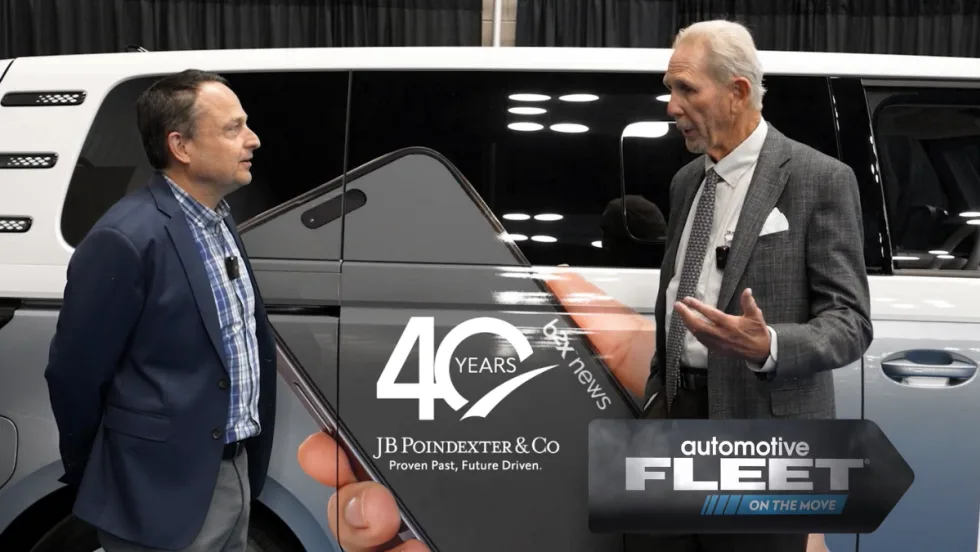
JB Poindexter’s CEO Talks Growth, Industry Disruption & What’s Next
John Poindexter, CEO of JB Poindexter & Co., discusses how his $2.5B enterprise is navigating technology transformation, acquisitions, and a fast-evolving commercial vehicle market.
Read More →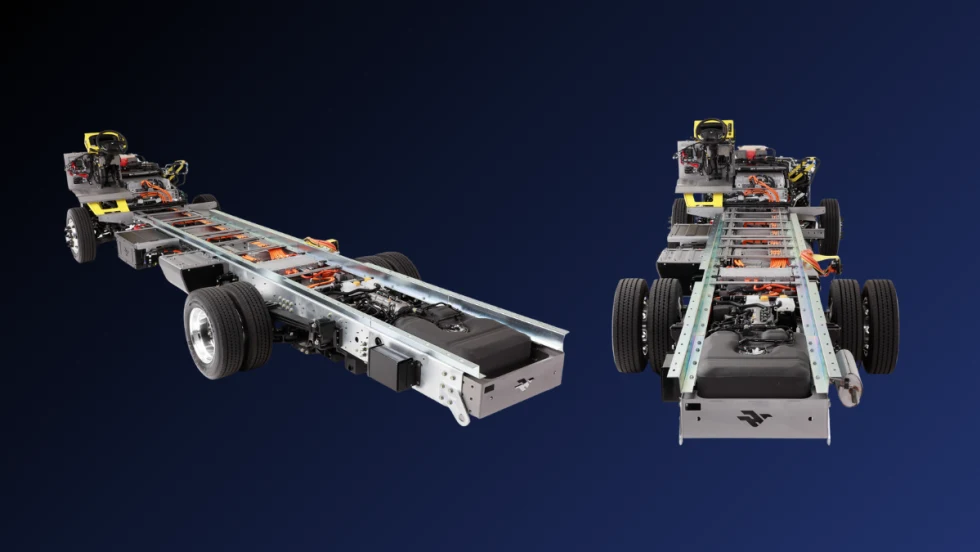
Harbinger Unveils Plug-In Hybrid Vehicle for Medium-Duty Fleets
The medium-duty truck company is expanding its American-made electric vehicle lineup to include a series hybrid model, offering up to 500 miles range.
Read More →