




Ford, Azure Dynamics Deliver First Transit Connect Electrics
The all-electric, zero-emissions Transit Connect Electric has a driving range of up to 80 miles per full charge.
Ford Motor Company and Azure Dynamics have begun shipping the first Ford Transit Connect Electrics to early customers in North America and to the United Kingdom for a demonstration project.
The all-electric commercial vans, built on the Ford Transit Connect vehicle body, are equipped with Azure Dynamics' patented Force Drive battery electric powertrain, and assembled by AM General at its facility in Livonia, Mich., are reaching the market 13 months after the collaboration to develop the zero-emission vehicle was first announced.
To date, all initial units have designated customers. Azure Dynamics' LEAD customer program includes seven companies that are taking delivery of their first units in 2010, with the remainder of their orders to be filled in 2011. Customers that have been previously announced include AT&T, Southern California Edison, Xcel Energy, Johnson Controls Inc., New York Power Authority, Canada Post and Toronto Atmospheric Fund EV300. Additional LEAD customers will be identified by the end of the year.
Ford first announced the collaboration in October 2009, with an agreement for Azure Dynamics to upfit the Transit Connect van with Azure's Force Drive battery electric drivetrain technology. Initial production began in the fourth quarter of 2010 with full production of the Transit Connect Electric slated to ramp up in April 2011.
Transit Connect Electric is the first product in Ford's accelerated electrified vehicle plan, and will be followed by the Focus Electric passenger car in 2011, along with a plug-in hybrid electric and two next-generation lithium-ion battery-powered hybrid vehicles in 2012.
Ford and Azure Dynamics already have announced they will collaborate to produce the Transit Connect Electric for the European market with first units to be delivered in 2011.
The all-electric, zero-emissions Transit Connect Electric has a driving range of up to 80 miles per full charge. Owners will have the option of recharging Transit Connect Electric with either a standard 120-volt outlet, or preferably a 240-volt charge station, typically installed at the user's base of operations for optimal recharging in six to eight hours. A transportable cord that works with both types of outlets will be available for convenient recharging at either voltage.
More Green Fleet

Merchants Fleet Reports 290M EV Miles as Fleets Navigate Changing Electrification Market
From millions in operating savings to hundreds of millions of EV miles, Merchants Fleet’s latest report reveals what’s working and what’s changing in fleet electrification.
Read More →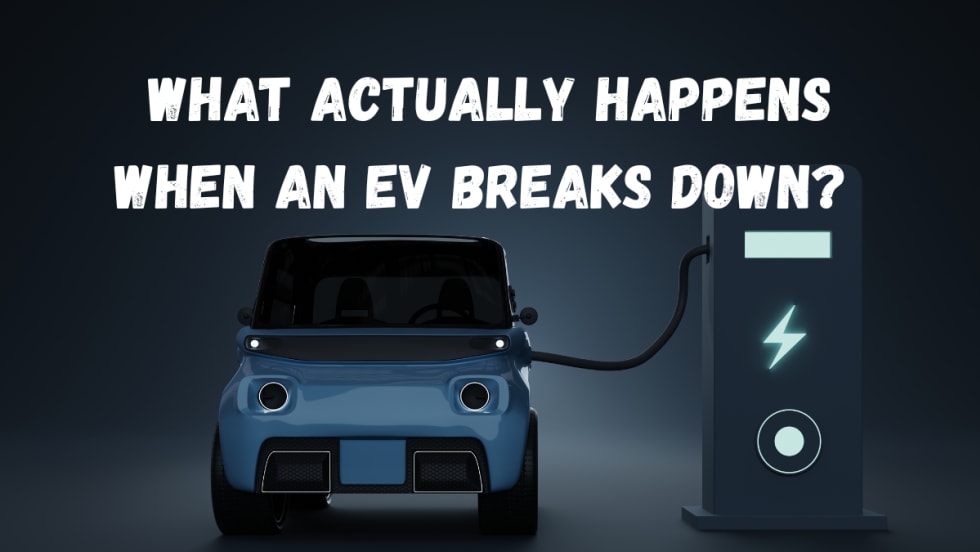
The EV Breakdown Nobody's Talking About: Why Most Electric Vehicle Roadside Calls Aren't Mechanical Failures
Here's why EV breakdowns are widely misunderstood.
Read More →
ChargePoint Now Available in Energy Pass
ChargePoint and additional planned charging network integrations were added to GM's Energy Pass.
Read More →
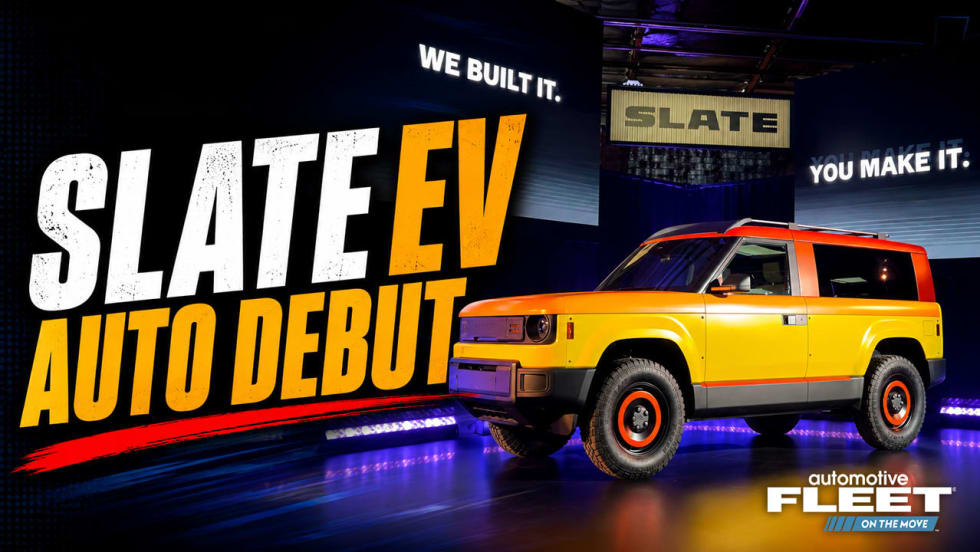
First Look: Slate Auto's Electric Fleet Pickup
Could an affordable, modular EV pickup make electrification more practical for fleets?
Read More →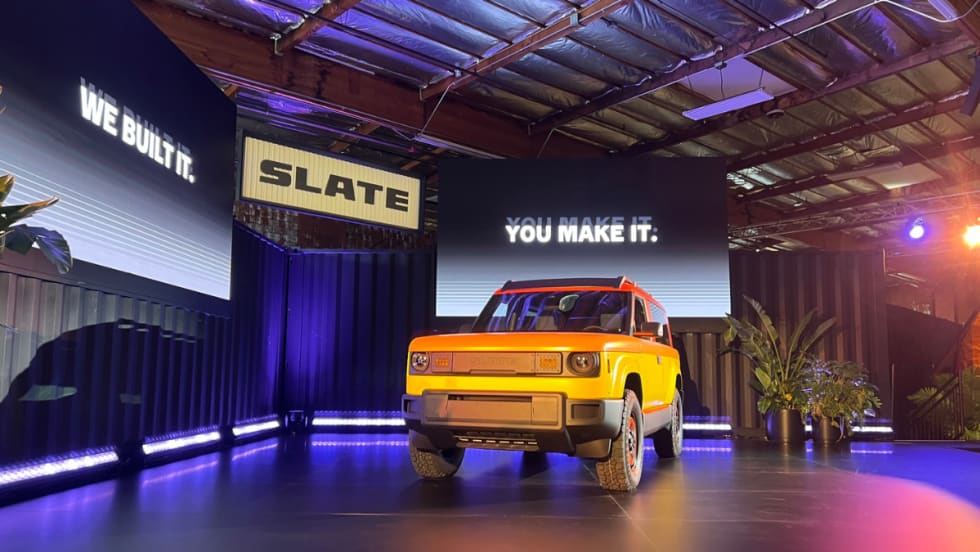
Slate Debuts Colorful, Unique EV Models
A recent media and client event, studded with electric vehicles dressed up on platforms, planted a new position for the manufacturer in the wider EV market. Fleets will find cost-saving advantages.
Read More →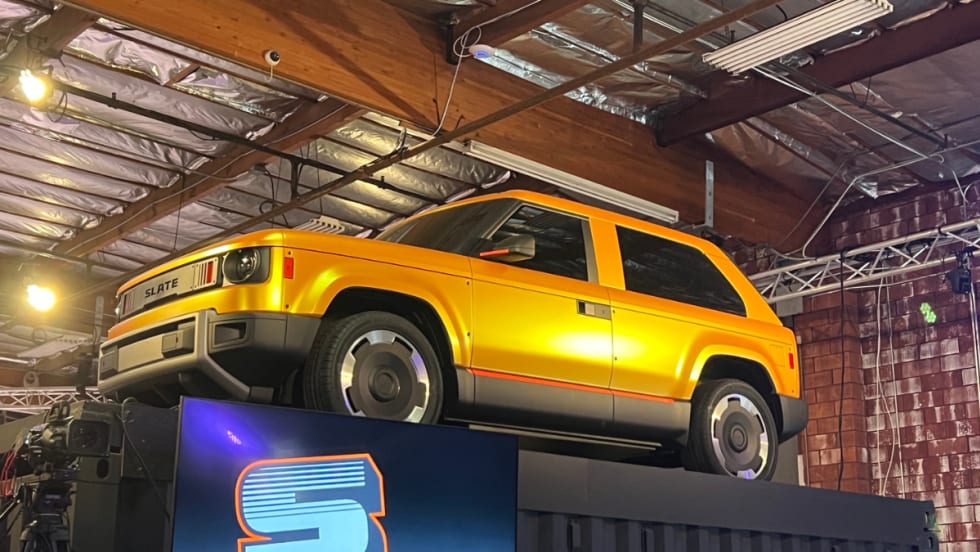
Slate Electric SUV, Pickup Switchable Model Aims For Light-Duty Fleets
Everything about this EV is counterintuitive and understated, making it stand out from the crowd.
Read More →
Inspiration Mobility Acquires Key Electrada Assets
Inspiration Mobility Group has acquired select assets of Electrada, adding the fleet electrification provider's team, technology, and charging infrastructure development capabilities to its energy management business.
Read More →
Turning Connected Vehicle Data Into Decisions That Matter
Fleet leaders have more data than ever, but turning that data into clear, actionable decisions remains a challenge. This white paper shows how leading organizations are using connected vehicle data to improve safety, reduce costs, and optimize fleet performance. Learn how to turn insight into action across your fleet.
Read More →
Are You Tracking Your Fleet's True Total Cost of Ownership?
Bobit Business Media surveyed 190 fleet professionals and found that while most fleets are tracking costs, fragmented systems and data gaps are keeping true TCO visibility out of reach. With rising pressure to control spend in an increasingly volatile environment, the gap between what fleets think they know and what the data actually shows is wider than you might expect. See how your peers are managing costs today and where the industry still has room to improve.
Read More →