




Foothill Transit to Electrify a Major Bus Route With 12 New Proterra Buses
Foothill Transit, a transit service, carrying 14 million passengers annually, moves forward with goal to completely electrify Route 291, which travels between LaVerne, Calif., and Pomona, Calif.
Foothill Transit, a joint powers authority with a 314-bus fleet covering more than 300 square miles each year in Southern California, bought 12 additional Altoona-tested, on-route charge electric buses from Proterra Inc., a provider of zero-emission battery electric transit solutions, to completely electrify its 291 route, which travels between LaVerne and Pomona.
Zero-emission electric buses are of particular interest in California, where there are many environmental non-attainment zones and California Air Resource Board (CARB) regulations, Proterra said.
Proterra recently sold its electric buses to two other transit systems: StarMetro of Tallahassee purchased an additional three electric vehicle (EV) buses from Proterra, increasing their EV fleet size to five, and the Worcester Regional Transit Authority in Massachusetts doubled its initial three bus order to six.
To keep pace with this growing demand, Proterra has doubled its production workforce, installed a second production line, added a second shift, and increased its sales staff.
In 2011, Foothill Transit became the first transit agency in the U.S. to use on-route charge electric buses.
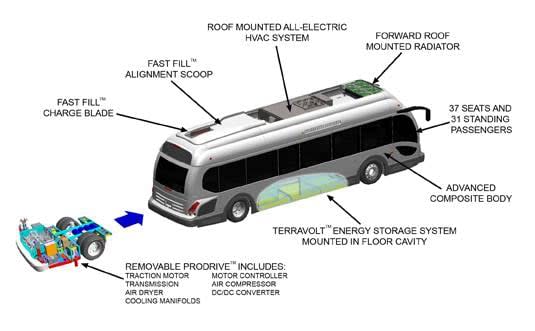
The Proterra EcoRide bus offers $750,000 in fuel savings per unit versus diesel, over a 16-year life cycle; 44 percent less carbon than compressed natural gas (CNG), and 87,000 pounds of carbon savings annually versus CNG.
Photo courtesy Proterra
More Green Fleet
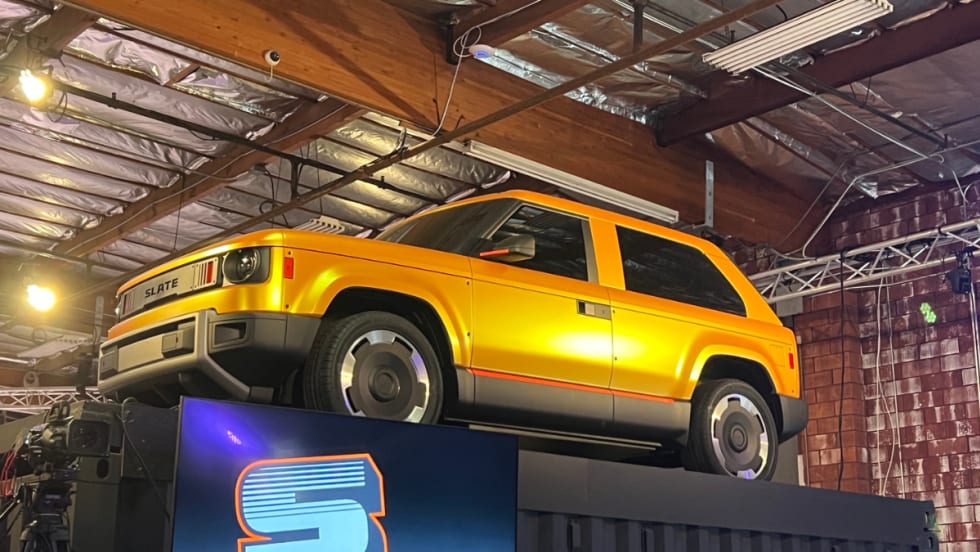
Slate Electric SUV, Pickup Switchable Model Aims For Light-Duty Fleets
Everything about this EV is counterintuitive and understated, making it stand out from the crowd.
Read More →
Inspiration Mobility Acquires Key Electrada Assets
Inspiration Mobility Group has acquired select assets of Electrada, adding the fleet electrification provider's team, technology, and charging infrastructure development capabilities to its energy management business.
Read More →
Turning Connected Vehicle Data Into Decisions That Matter
Fleet leaders have more data than ever, but turning that data into clear, actionable decisions remains a challenge. This white paper shows how leading organizations are using connected vehicle data to improve safety, reduce costs, and optimize fleet performance. Learn how to turn insight into action across your fleet.
Read More →
Are You Tracking Your Fleet's True Total Cost of Ownership?
Bobit Business Media surveyed 190 fleet professionals and found that while most fleets are tracking costs, fragmented systems and data gaps are keeping true TCO visibility out of reach. With rising pressure to control spend in an increasingly volatile environment, the gap between what fleets think they know and what the data actually shows is wider than you might expect. See how your peers are managing costs today and where the industry still has room to improve.
Read More →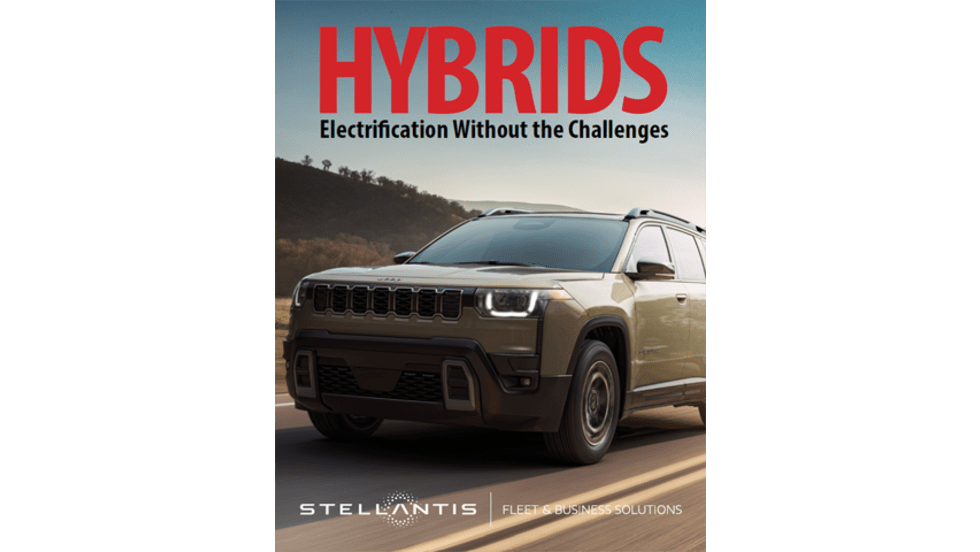
Hybrids: Electrification Without the Challenges
For fleet managers, fuel is one of the biggest line items in the budget — and it's one hybrids can shrink without changing how your people work. Download the eBook to see the numbers, understand the technology, and get a step-by-step guide to making the switch.
Read More →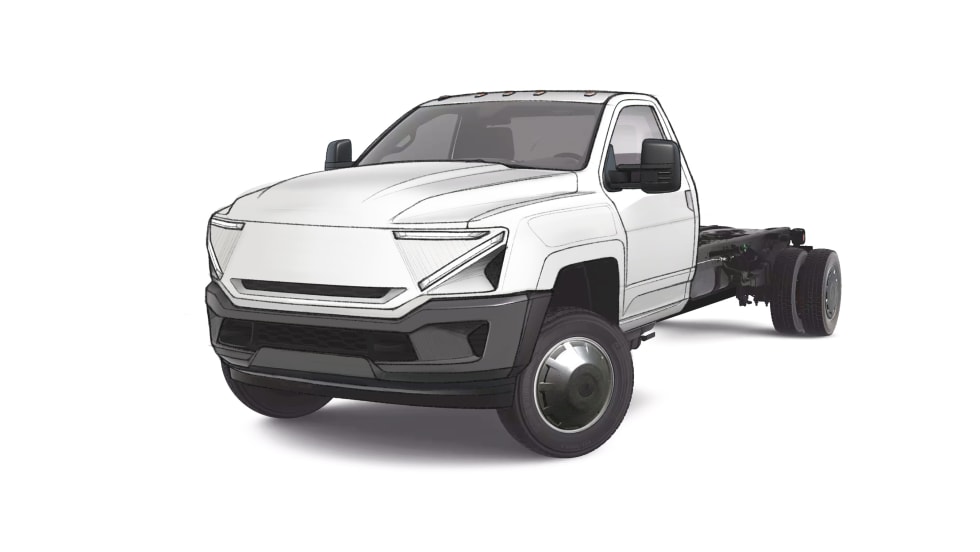
Startup ZMD Motors Developing Electric Conversion for Ram 5500 Work Trucks
Detroit-based company says it has begun early development of a system to convert internal combustion Ram 5500 chassis-cab trucks to electric power.
Read More →
U.S. EV Adoption Is Climbing, but Commercial and Passenger Markets Diverge
New industry group data revealed that light-duty electric vehicle sales are hitting record market share and volumes, while commercial EV volume dipped. What’s driving the fluctuations?
Read More →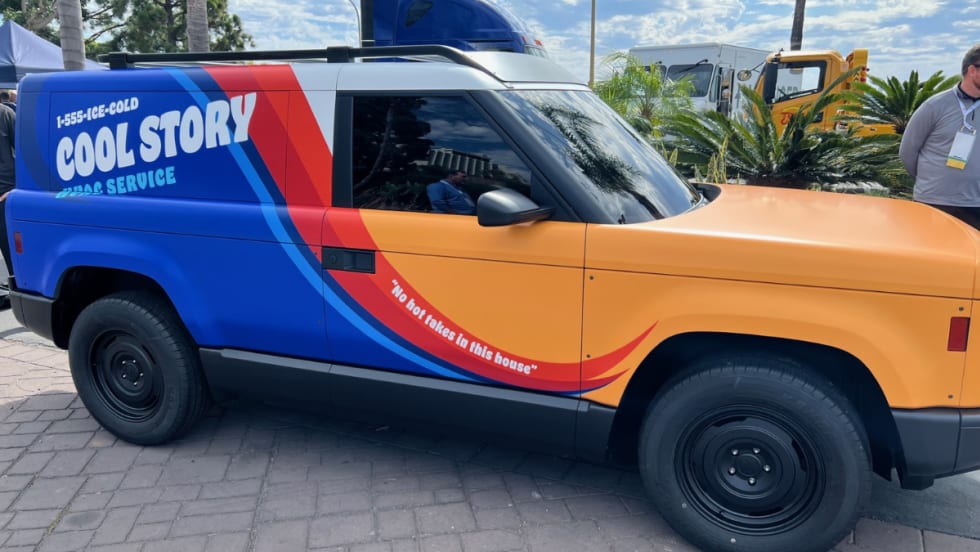
How To Upfit Electric Work Trucks and Vans
The biggest challenge lies in balancing additional equipment and accessories with EV battery capacity and range.
Read More →
How Fleets Can Adjust Approaches To EV Adoption
With the expiration of federal incentives, EV success now hinges less on government policy and more on discounts, battery tech progress, increased range, and broader infrastructure.
Read More →
Despite World Troubles, Forward Thinking Guides Fleets
Fleet operators shared their challenges during an annual conference that embraced the latest advances across all aspects of running private- and public-sector vehicles.
Read More →