




Related: Hurricane Harvey Could Disrupt Trucking for Some Time
Florida Escapes Worst of Irma, Impact Felt Across State
Hurricane Irma's late shift to the west seems to have spared Florida the worst of the storm, but even with reduced impact, its effects are widespread.
by Staff
September 12, 2017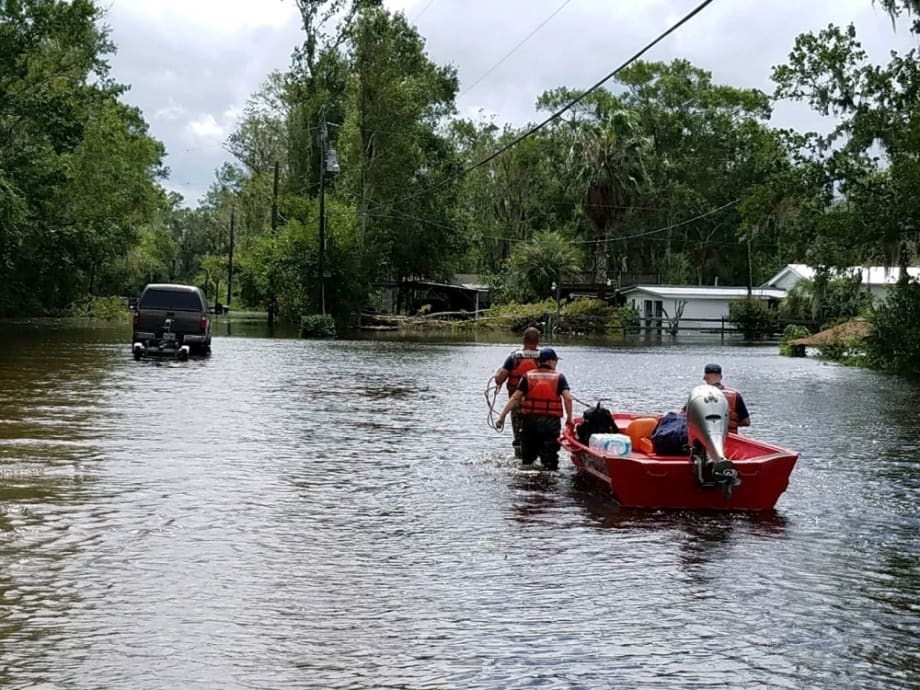
Coast Guard Flood Punt Teams conduct rescue operations in Jacksonville, Florida, Sept. 11, 2017. Photo: Courtesy of U.S. Coast Guard District 7
3 min to read
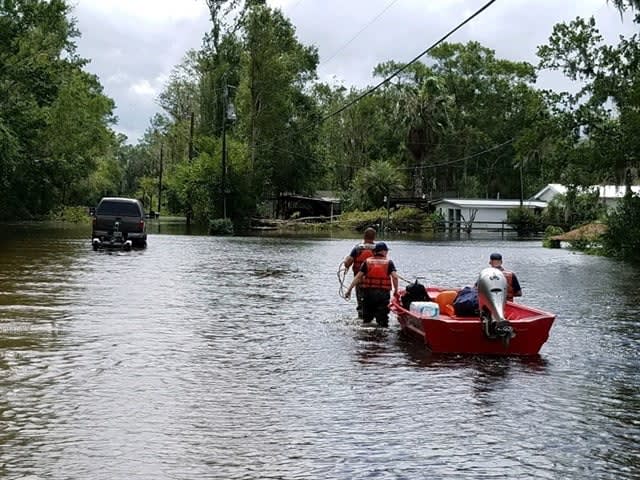
Coast Guard Flood Punt Teams conduct rescue operations in Jacksonville, Florida, Sept. 11, 2017. Photo: Courtesy of U.S. Coast Guard District 7
Hurricane Irma's late shift to the west seems to have spared Florida the worst of the storm, but even with reduced impact, its effects are widespread.
A combination of influences caused Irma to lose strength over the northern coast of Cuba and shift westward. That put it on a path that reduced the impact of high winds and storm surge on major urban centers in the southeast of the state, including Miami.
Recent estimates for total damage costs in the state are at $58 billion. That is far less than earlier numbers, which reached as high as $200 billion, according to Bloomberg. The current estimate is still higher than the total for Hurricane Andrew in 1992, which cost nearly $48 billion when adjusted for inflation, but is below the estimates for Hurricane Harvey, which may run upwards of $75 billion.
Fuel prices were up again in the latest numbers from the Energy Department. The average price of diesel fuel increased 4.4 cents for the week ending on Sept. 11 and stands at $2.80 per gallon. This is a week after jumping more than 15 cents in the aftermath of Hurricane Harvey. Perhaps more telling than the increase in price was a note in the report stating that data on Miami’s gas prices were unavailable due to the insufficient response from retailers.
A Florida Trucking Association representative told HDT that in the immediate aftermath of the storm, most Florida-based trucking companies are "still in damage assessment and power restoration mode and are doing the obvious things they need to do.”
As of Sept. 11, every major interstate and turnpike in the state was reopened. U.S. 1 South, which runs through the Florida Keys, is still being assessed for damage and no residents or visitors are permitted in the Keys until it is complete.
Florida residents are still being asked not to rush back to their homes and businesses as power, fuel, and other infrastructures are not restored in some places and congestion from returning Floridians is likely.
“Don't think just because this thing passed, you can run home,” said Florida Gov. Rick Scott in a briefing. “We've got downed power lines all across the state. We've got roads that are impassible still across the state. We've got debris all over the state."
Millions of residents are still without power a day after Irma moved through Florida. At the the worst of it, the hurricane left more than half of the state’s residents without power, according to a Washington Post report. But crews are working to repair damaged power lines and the number of people with power, especially on the east coast, is steadily increasing.
Ports from South Florida to South Carolina are slowly reopening, bringing back goods and fuel supplies to the region. With minimal damage, most are expected to reopen by Sept. 13.
More Operations

Sponsored•October 14, 2026
A buyer's guide to fleet management software in 2027
Buying fleet management software in 2027 means looking beyond features and price. As fleet operations, technology and expectations evolve, this guide explores what today’s fleet professionals should consider when choosing a system that can deliver value now and adapt to what comes next.
Read More →
What Will Shape the Next Era of Fleet Management?
EVs, AI, and autonomous vehicles are reshaping fleet management. Discover what’s ahead—and how fleet leaders can prepare for the next era.
Read More →
How Fleets Can Recruit and Train Veterans for Technician Roles
Here's how the technician shortage has affected uptime for fleets, and what to do about it.
Read More →

Avis Budget Group Deploys Neology Toll Management Technology Across Major Brands
Neology’s neoFleet platform will manage toll transactions and toll-authority operations for vehicles across Avis, Budget, Payless, Budget Truck and Zipcar.
Read More →
Fleet Personal-Use Charges Edge Higher in 2026
Nearly eight in 10 surveyed fleets allow personal use of company vehicles, while just over half of respondents report charging employees for the privilege.
Read More →
The Future of Fleet + What’s Changing Right Now | AF News Recap
Could developments overseas offer a preview of what’s coming for U.S. fleets? This week, we’re looking at the future of AI, autonomy, and electrification, plus Ford Pro’s new certified pre-owned program, smarter vehicle offboarding, and a new way for fleets to manage toll expenses.
Read More →
How to Handle Vehicle Offboarding
What do fleet managers need to do when a driver leaves?
Read More →
Sponsored•October 1, 2026
Fleet Manager’s Ultimate Playbook: Navigating the New Standard in OEM Connectivity
Rising operating costs, driver safety concerns, and unplanned downtime are putting unprecedented pressure on modern fleets. Discover how fleet managers use embedded OEM connectivity and real-time vehicle data to cut TCO, prevent downtime, and protect drivers without aftermarket telematics hardware.
Read More →
U.S. Bank Adds Verra Mobility Toll Management to Voyager Fleet Platform
The integration allows U.S. Bank Voyager fleet customers to manage toll payments and violations alongside fuel, EV charging and maintenance expenses.
Read More →
ADAS Prevents Crashes. But Repairs Cost More | AF News Recap
ADAS-equipped vehicles may crash less often, but they can cost more when they do. This week, we’re breaking down what that tradeoff means for fleets, plus Subaru’s first Forester Wilderness Hybrid, Nissan’s new e-POWER Rogue, and why Calstart has become Catalyst Mobility.
Read More →