




Fleets View Red-Light Cameras as Cash Machines
While statistics have shown red-light cameras to be effective in reducing red-light running violations, the programs have been criticized as cash machines that made money for the cameras' operators and the municipalities where they are operated.

While statistics have shown red-light cameras to be effective in reducing red-light running violations, the programs have been criticized as cash machines that make money for the cameras' operators and the municipalities where they are operated. Guy Young, fleet manager for Western Exterminator Co. based in Anaheim, CA, said several company drivers have received red-light camera citations and are required to pay for all moving violations personally. Young did point out that several municipalities in Southern California have been accused of allowing their yellow light intervals to be adjusted with the intent of increasing revenue. He feels the cameras should only be used to improve traffic safety and only in conjunction with police efforts. California Senate Bill 667, which became law in California on Jan. 1, 2002, establishes minimum yellow light interval requirements to assure that yellow light timing will be set for safety rather than revenue-generating purposes. "Ideally, all revenue generated from red-light cameras would be directed toward improving road safety or safe driving programs," Young said in an interview with Automotive Fleet. Jack Evans, who is manager of fleet and risk services for Raycom Media Inc. and Community Newspaper Holdings Inc. in Montgomery, AL, told Automotive Fleet he was not in favor of the camera operations being subcontracted to outside non-police agencies for profit. But if the cameras are used as a tool by police departments, he is in favor of them. “I think drivers should respect the law, and if a camera catches them not doing so, so be it,” Evans said. Young and Evans’ sentiments were echoed in the results of a survey question asked on Automo-tive Fleet’s Web site at www.fleet-central.com: Are Red-Light Cameras Safety Devices or Cash Machines? Here are the results: Cash Machines: 65% Safety Devices: 35%
More Operations

It's All Downhill from Here! Fleet Industry Raises $22,000 for Skilled Trades Scholarships
Work Truck’s Lauren Fletcher and Automotive Fleet’s Chris Brown turned a friendly racing rivalry into $22,000 for automotive technology and skilled trades scholarships.
Read More →
The Top 300 Commercial Fleets
The Top 300 Commercial Fleets: See the List
Read More →


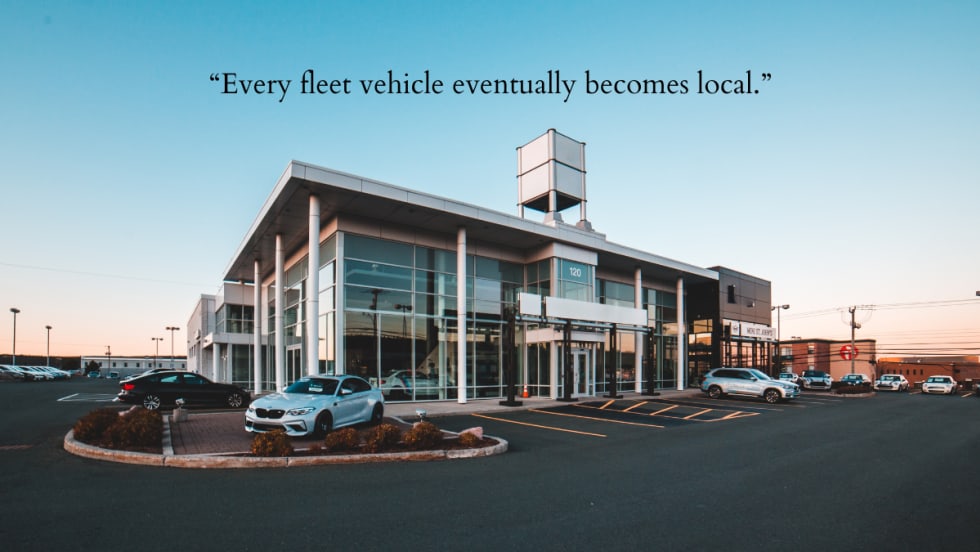
Your Local Dealer Knows More Than You Think
Your local dealer can provide an information advantage that extends well beyond courtesy deliveries.
Read More →
Fleet Meets: Austin Schutte
Here are some industry insights, personal touches, and words of advice from the CEO and Founder of Anew Solutions.
Read More →
Soap Box Derby Challenge: What’s Powering Team Brown
The car is coming together, the students are solving real build problems, and the fleet industry is helping push Team Brown toward the starting line.
Read More →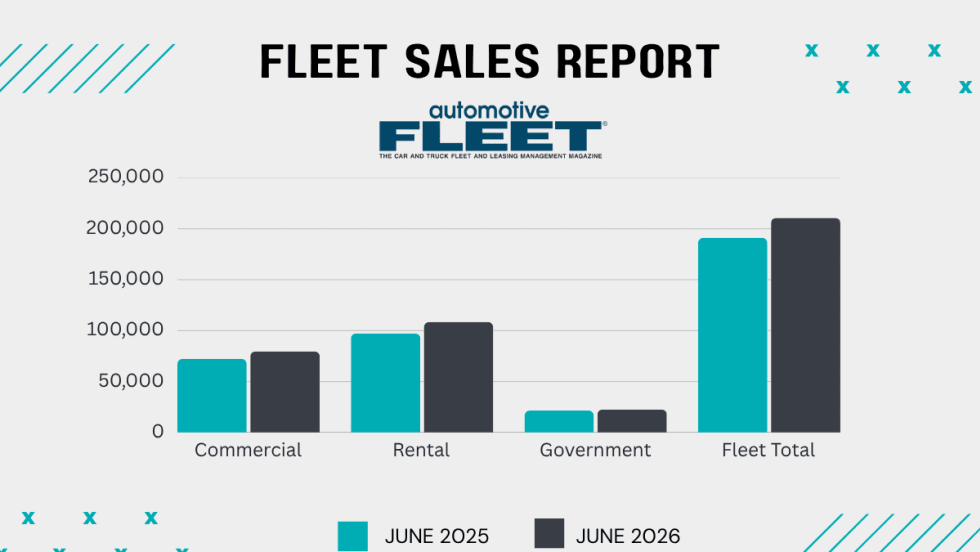
Commercial Fleet Sales Contribute To June, YTD Gains
The fleet sector has boosted its vehicle purchases at a reliable pace in the first half of this year compared with 1H 2025.
Read More →
What Fleet Managers Really Want From Vendors
From customer service frustrations and technology breakdowns to RFQs, change management, and the growing impact of turnover across the industry, this conversation pulls back the curtain on the real operational challenges fleet managers are navigating every day.
Read More →
Fleet Safety Masterclass: Industry Leaders on Storytelling, Strategy & Innovation
In this special masterclass episode, industry leaders break down what it really takes to build safer fleets in today’s increasingly distracted and data-driven world.
Read More →
Integrating Legacy Fleet Systems and Historical Data
In this episode, we bring together fleet and technology leaders to unpack the realities of data integration, system migrations, and the evolving role of AI in fleet management.
Read More →