




Fleets to Continue Focus on Hybrids
As companies look to save on fuel costs while staying environmentally friendly, hybrid-electrics and plug-in hybrids will continue garnering attention.
The trend for fleet managers to pursue vehicles that save on fuel costs while maintaining a low impact on the environment should continue for the next several years. For that reason, global hybrid fleet sales will surpass 830,000 vehicles in 2015, up from 280,000 in 2008. That is according to a new study from Pike Research.
Hybrid electric vehicles and plug-in hybrids will best serve fleets in their pursuit of fuel-saving, environmentally friendly vehicles. Next-generation plug-in hybrid electric vehicles will represent 21 percent of total hybrid fleet sales in 2015, according to the study, titled "Hybrid Electric Vehicles for Fleet Markets."
Limited access to hybrid electric vehicles has been a barrier so far in fleets' ability to cut fuel costs and lower emissions, said Pike Research managing director Clint Wheelock. Manufacturers have focused mainly on small consumer vehicles due to the high cost of larger batteries. Also, as fleet operators' rely on leasing rather than purchasing, government incentives and tax breaks do not stimulate adoption of commercial hybrids, he added.
The government, university, and utility sectors will be among the top early adopters of commercial hybrids. Fleets with a mix of cars and trucks, such as municipal governments, will take a particularly strong interest. Key companies to watch in this sector include A123 Systems, Eaton Corp., Ford Motor Co., General Motors, ISE Corp. Johnson Controls-Saft, LG Chem, Panasonic, and Toyota, according to the study.
The Pike Research study examines the opportunities and challenges for hybrid electrics and plug-in hybrids in fleet markets around the world, including light cars and trucks and the medium/heavy duty truck segments. The study reviews hybrid and battery technology issues, with forecasts included for the global vehicle market, hybrid electric and plug-in hybrid sales (total and fleet), total commercial vehicle registrations, and fleet sales by segment. Key market players are also profiled, including automotive OEMs, heavy-duty truck and bus manufacturers, and key suppliers including battery manufacturers.
The report covers technology issues such as plug-in hybrid electric vehicle drivetrains, parallel hybrid design of mild hybrids and full hybrids, series hybrid design/extended range electric vehicle, and medium/heavy-duty truck hybrid design.
It also covers battery technology such as lead acid batteries, nickel-sodium chloride batteries, nickel metal hydride batteries, lithium ion batteries, and lithium titanate batteries.
More Green Fleet
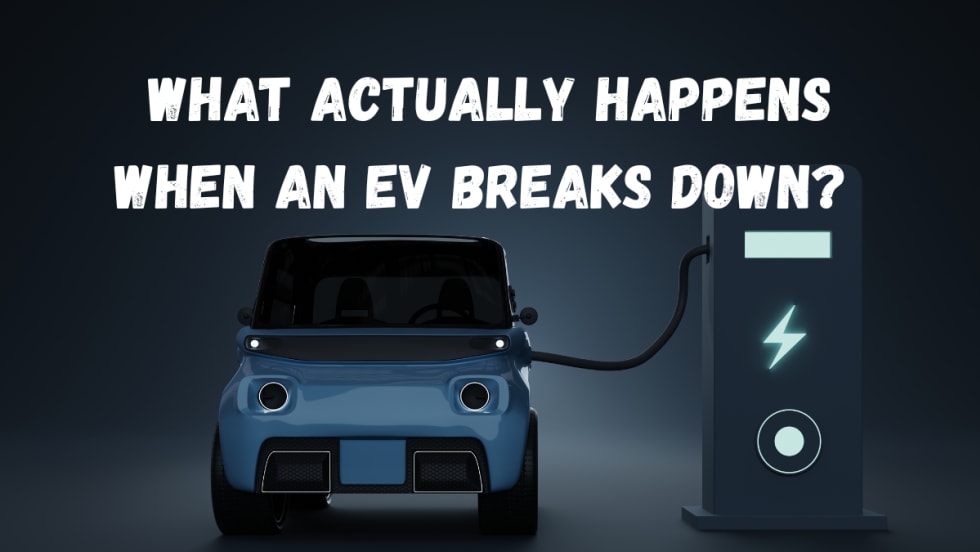
The EV Breakdown Nobody's Talking About: Why Most Electric Vehicle Roadside Calls Aren't Mechanical Failures
Here's why EV breakdowns are widely misunderstood.
Read More →
ChargePoint Now Available in Energy Pass
ChargePoint and additional planned charging network integrations were added to GM's Energy Pass.
Read More →

First Look: Slate Auto's Electric Fleet Pickup
Could an affordable, modular EV pickup make electrification more practical for fleets?
Read More →
Slate Debuts Colorful, Unique EV Models
A recent media and client event, studded with electric vehicles dressed up on platforms, planted a new position for the manufacturer in the wider EV market. Fleets will find cost-saving advantages.
Read More →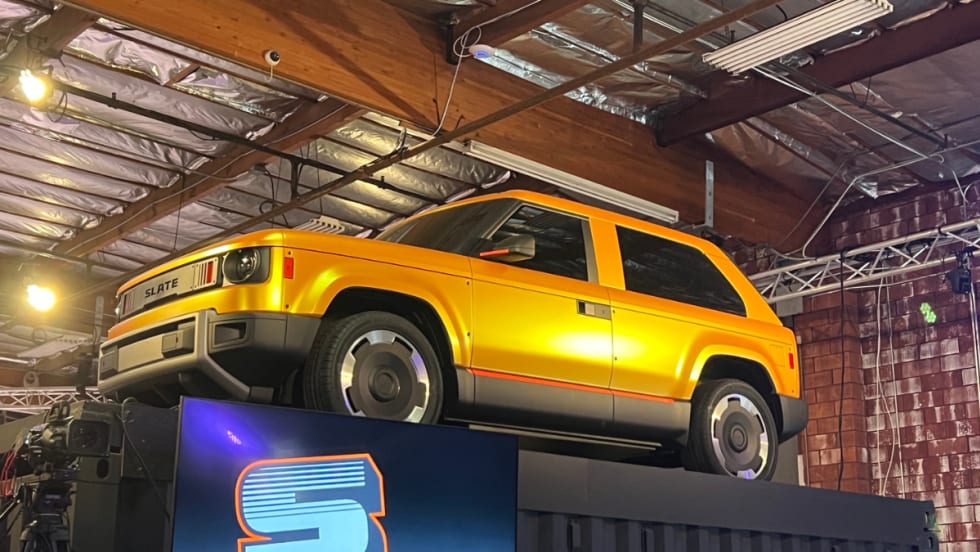
Slate Electric SUV, Pickup Switchable Model Aims For Light-Duty Fleets
Everything about this EV is counterintuitive and understated, making it stand out from the crowd.
Read More →
Inspiration Mobility Acquires Key Electrada Assets
Inspiration Mobility Group has acquired select assets of Electrada, adding the fleet electrification provider's team, technology, and charging infrastructure development capabilities to its energy management business.
Read More →
Turning Connected Vehicle Data Into Decisions That Matter
Fleet leaders have more data than ever, but turning that data into clear, actionable decisions remains a challenge. This white paper shows how leading organizations are using connected vehicle data to improve safety, reduce costs, and optimize fleet performance. Learn how to turn insight into action across your fleet.
Read More →
Are You Tracking Your Fleet's True Total Cost of Ownership?
Bobit Business Media surveyed 190 fleet professionals and found that while most fleets are tracking costs, fragmented systems and data gaps are keeping true TCO visibility out of reach. With rising pressure to control spend in an increasingly volatile environment, the gap between what fleets think they know and what the data actually shows is wider than you might expect. See how your peers are managing costs today and where the industry still has room to improve.
Read More →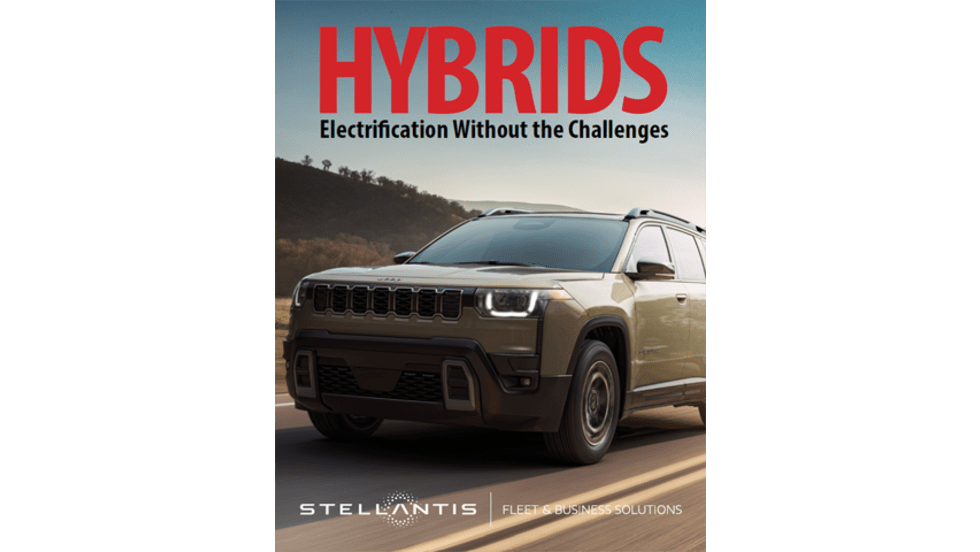
Hybrids: Electrification Without the Challenges
For fleet managers, fuel is one of the biggest line items in the budget — and it's one hybrids can shrink without changing how your people work. Download the eBook to see the numbers, understand the technology, and get a step-by-step guide to making the switch.
Read More →