




Fleet Safety Video Tip: Rural Driving
Rural roads can pose a variety of hazards. Here's some advice, from the Ohio Department of Public Safety, you can pass along to fleet drivers.
For many urban dwellers, the promise of a drive through a bucolic farming region – far away from urban congestion – seems inviting, even relaxing. But that doesn’t mean fleet drivers should let down their guard while traveling through rural areas.
Rural roads can pose a variety of dangers. Animals darting across the road, slow-moving farm vehicles just over the crest of a hill, low spots covered in rainwater – these are just a few examples.
A study released last year by the National Highway Traffic Safety Administration examined fatal crashes that occurred in 2012. Although 19 percent of the U.S. population lived in rural areas, rural fatalities represented 54 percent of all traffic fatalities in 2012. The study also found that the fatality rate per 100 million vehicle miles traveled was 2.4 times higher in rural areas than in urban areas (1.86 and 0.77, respectively).
Thirty-one percent (5,660) of the rural road fatalities were related to speeding. Alcohol-impaired driving and lower seat belt use were also major factors contributing to the higher rate of fatal crashes on rural roads.
According to the Ohio Department of Public Safety, these are some of the hazards that drivers should keep in mind:
Rural roads aren’t always designed for fast and efficient travel. You may encounter unpaved roads, gravel surfaces or roads without regular maintenance.
Expect blind spots, steep hills and sharp curves.
A narrow road width doesn’t allow for safe passing.
Rural roads often lack signage and night lighting.
Rural roads often lack shoulders or guardrails, even with the presence of deep ditches.
Common obstacles include slow-moving vehicles (see video), livestock and wild animals, fallen trees and landslide debris.
Railroad crossings might lack gates or lights to warn of an oncoming train, so always stop and look both ways carefully before proceeding.
Tall crops and weeds may limit sight distance.
Trees, mailboxes and utility poles may be very close to the road.
The conditions above may require driving below the posted speed limit and using extra caution, the Ohio Department of Public Safety advises. Remember, in the event of a crash, it may take longer for emergency services to arrive. Here are some additional tips and warnings you can pass along to fleet drivers:
Always wear your seatbelt.
Pay attention to, and be aware of, changing road conditions.
Gravel roads have less traction, so applying the brakes hard or turning sharply may cause your vehicle to skid.
Slow down and be patient behind slow-moving vehicles. Only pass them when it’s legal and safe.
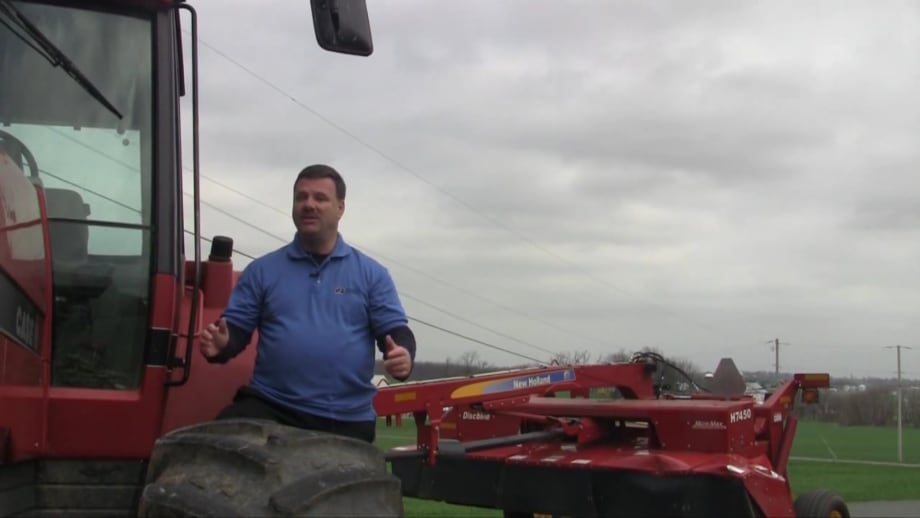
To view a video about the hazards posed by slow-moving farm vehicles, click on the photo or link below the headline. The Pennsylvania Farm Bureau produced the video.
More Safety

What’s Next for Fleet? Safety, AI & Industry Recognition | AF News Recap
Could your company's culture be encouraging distracted driving? This week, we're exploring how workplace expectations affect driver safety, what AI, EVs, and autonomous vehicles could mean for the future of fleet management, and how fleet professionals can strengthen their award nominations.
Read More →
Does Your Fleet's Culture Encourage Distracted Driving?
What happens when the people responsible for enforcing safety rules are the ones setting the wrong example? The answer may reveal why some of the biggest risks to fleet drivers have little to do with what's written in the employee handbook.
Read More →
Fleet Manager’s Ultimate Playbook: Navigating the New Standard in OEM Connectivity
Rising operating costs, driver safety concerns, and unplanned downtime are putting unprecedented pressure on modern fleets. Discover how fleet managers use embedded OEM connectivity and real-time vehicle data to cut TCO, prevent downtime, and protect drivers without aftermarket telematics hardware.
Read More →
From Driver Well-Being to EV Charging | AF News Recap
Mental health belongs in the fleet safety conversation. This week, we’re looking at five ways fleets can support employee well-being before a crisis, plus Holman’s expansion in Mexico, new one-day Fleet Forward passes, and why EV charging demand is outpacing infrastructure growth.
Read More →
Nexar-Nauto Merger Aims to Give Fleets Better Safety Intelligence Through Larger Driving Dataset
Stefan Heck tells Automotive Fleet that combining more than 10 billion miles of driving history with Nexar's AI models will give fleets deeper insights into driver risk and roadway conditions than either company could provide independently.
Read More →
Don't Wait for a Crisis: 5 Ways to Build Mental Health Into Your Fleet Safety Program
For Suicide Prevention Month, fleet and safety leaders have an opportunity to put mental health where it belongs: at the center of workplace safety.
Read More →
How Camera Data Can Strengthen a Fleet’s Insurance Renewal
Insights from a commercial insurance carrier and a broker show how fleets can turn video telematic data, driver coaching, and improved claims results into a stronger case at insurance renewal.
Read More →
The Safest Fleets Aren’t the Ones with the Most Technology
You’ve made the telematics investment. Here’s how to capture the other half of its value and build the safest fleet on the road.
Read More →
Hidden in Plain Sight: Fleet Compliance Risks
Fleet compliance isn't just about having policies — it's about consistently enforcing them. This practical guide reveals six hidden compliance risks common in public sector and shared fleet operations and outlines proven strategies to improve visibility, accountability, and audit readiness
Read More →
NETS Sets 2026 Fleet Safety Benchmark Conference for Indianapolis
The Sept. 15–17 program will feature fleet benchmarking data, case studies, emerging technologies, and implementation strategies while running alongside the NSC Safety Congress & Expo.
Read More →