




Fleet Safety Tip of the Week
This week’s tip, taken from the California Driver Handbook, concerns steering control and techniques. You may want to pass this along to your drivers as a friendly reminder.
This week’s tip, taken from the California Driver Handbook, concerns steering control and steering techniques. You may want to pass this along to your drivers as a friendly reminder.
Look at the steering wheel as a clock face, and place your hands at 9 and 3 o’clock or slightly lower at 8 and 4 o’clock. These are the desired hand positions that reduce the possibility of turning the wheel too sharply.
To reduce forearm and hand injuries, your hands should be placed on the lower half of the steering wheel, with your knuckles on the outside of the wheel and your thumbs stretched along the rim of the steering wheel.
Pull-Push Steering – Use pull-push steering for most turning maneuvers. Put your hands in the 8 and 4 o’clock positions. Pull down with one hand and push up with the other. This results in smooth steering and reduces the potential for over-steering, which can lead to loss of control. Keep your hands and thumbs on the outside of the wheel.
Hand-Over-Hand Steering – Use hand-over-hand steering when steering movements are critical, such as when parking, performing sharp right turns or correcting a skid. Use quick movements on entry to the maneuver, and then use slow, smooth movements when straightening the wheel.
One-Hand Steering – Use one-hand steering for backing maneuvers that do not require full left or right turns, or when operating vehicle controls for information, safety or comfort.
More Safety
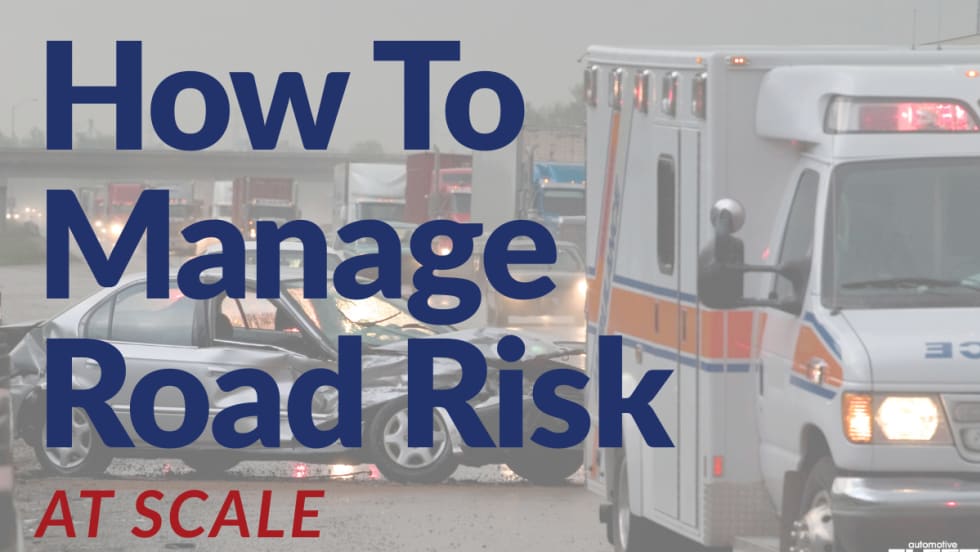
Managing Road Risk at Scale: Why Fleet Safety Needs a Data-Driven Framework
Insights from the FIA Road and Driver Safety Indexes reveal how to manage road risk on a larger scale.
Read More →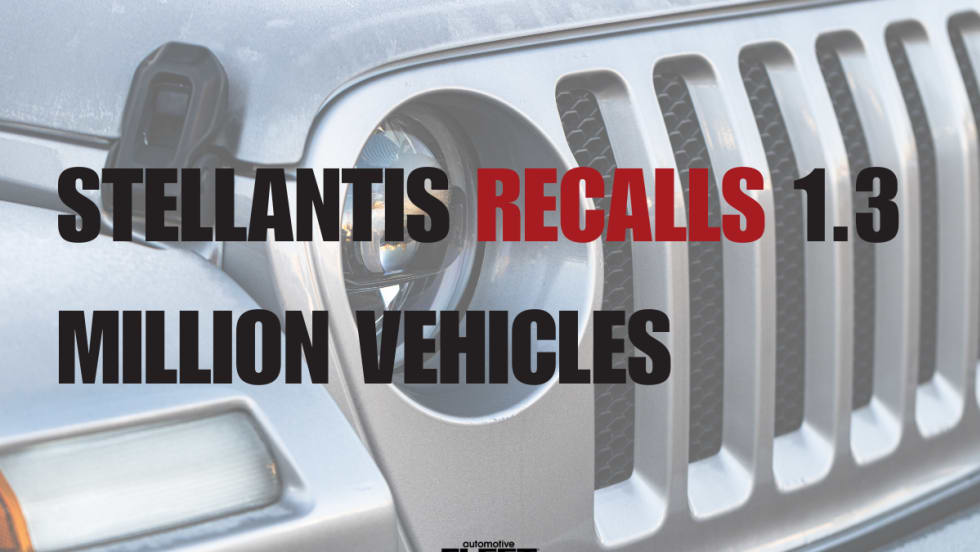
Stellantis Recalls 1.3 Million Jeep Vehicles Worldwide Over Fire Risk
Stellantis is recalling more than 1.3 million Jeep Wrangler and Gladiator models worldwide over a fire risk linked to power steering pump wiring.
Read More →
Coaching Is Not Training, Even When AI Is Doing It
AI-powered safety platforms can detect risky behaviors and deliver immediate feedback. But effective driver development still requires a foundation of training followed by coaching that reinforces those skills.
Read More →
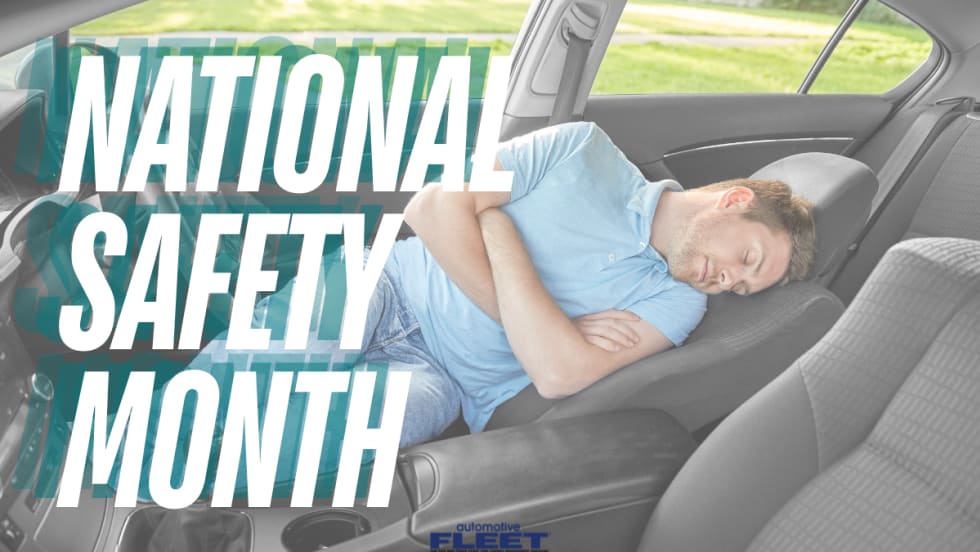
How Emotions Behind the Wheel Can Affect Fleet Safety
During National Safety Month, fleets are encouraged to look beyond distracted driving and recognize how stress, fatigue, and emotional well-being influence driver performance and crash risk.
Read More →
Nominations Open for 2026 Fleet Safety Award
Nominations have officially opened for the 2026 Fleet Safety Award Winner.
Read More →
Turning Connected Vehicle Data Into Decisions That Matter
Fleet leaders have more data than ever, but turning that data into clear, actionable decisions remains a challenge. This white paper shows how leading organizations are using connected vehicle data to improve safety, reduce costs, and optimize fleet performance. Learn how to turn insight into action across your fleet.
Read More →
Cameras, Safety and Insurance: From Reactive Claims to Real-time Prevention
Commercial auto remains one of the most challenging and costly lines of coverage for fleet operators and insurers alike. Learn more about how to effectively address these issues from Onur Aksan, Enterprise Business Development Executive, Geotab.
Read More →
NAFA Fleet Safety Symposium to Collocate With 2026 Fleet Forward Conference
The daylong certificate program will precede the Fleet Forward Conference at the Gaylord National Harbor in Maryland.
Read More →
The Distractions You Can’t Turn Off: What Drivers Face Outside the Vehicle
Fleet drivers face constant visual, cognitive, and environmental interruptions the moment they hit the road. From roadside chaos to mental fatigue and digital overload, today’s biggest driving risks often come from outside the vehicle itself.
Read More →
FLASH Weather AI Launches First Deep-Learning Hail Prediction Model With High-Resolution Forecasting
FLASH Weather AI has launched a first-of-its-kind hail prediction model capable of forecasting hail size and arrival time at 1-kilometer resolution up to 55 minutes ahead, giving fleets and insurers critical time to prepare for severe storms.
Read More →