




Fleet Safety Tip of the Week: Safely Driving Around Slow-Moving Vehicles
A special symbol is commonly displayed on the back of slow-moving vehicles, alerting approaching drivers to slow down and use extra precautions.
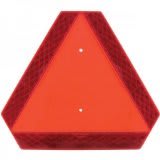
Are all your fleet drivers very familiar with the slow-moving vehicle symbol? It identifies vehicles that travel at a speed of 25 miles per hour or less. This symbol, displayed on the rear of the vehicle, is used most commonly to identify slow-moving, farm-operated equipment as well as horse-drawn carriages. The likelihood of encountering such a vehicle is greater in agricultural areas, particularly during harvest season, and in Amish country.
During the day, the fluorescent orange triangle in the center of the symbol is most visible to motorists approaching from the back. During the night, however, the reflective red border of the symbol is most visible.
Drivers need to readily recognize this symbol and respond with extreme caution.
Here are some tips, prepared by Ohio State University Extension farm management instructor Mike Hogan, to help drivers share the road with slow-moving farm equipment vehicles:
Be patient. The machinery operator will let you pass when there is room to get the equipment off the road.
Allow time and space to pass. Machinery might be longer and wider than it seems. Wagons and pulled machinery may swerve and need extra room to pass. The accident rate is twice as high when multiple wagons are being pulled.
Be sure to signal before passing and move to the passing lane far enough ahead of time to make sure the road is clear.
Don’t rely on your horn to warn farmers. The noise from tractors and other farm machinery often drowns out other sounds.
Remember, it takes longer for farm machinery to accelerate than it does for cars. Watch out for places where farm equipment enters or exits.
Don’t wait for farmers to signal you to pass, it is the driver’s decision to pass or not.
Also, keep in mind that horses drawing carriages can easily become frightened by fast-approaching vehicles. Here are some more tips from the Kentucky DMV:
Before passing, drivers should approach the carriage slowly and pass only when safe to do so or motioned by the carriage driver.
Blowing the vehicle horn should be avoided – it might frighten the animal and could lead to erratic behavior.
Drivers should also watch for hand signals from the carriage operator indicating turns.
Also use extreme caution when meeting a horse-drawn carriage traveling the opposite direction.
More Safety

How Better Visibility Cut Speeding Violations by 48%
Fleet leaders don't need more data, they need clearer visibility into what the data is saying. This case study explores how one utility replaced speeding-event counts with a single metric — miles driven in violation — to strengthen safety and significantly reduce speeding violations.
Read More →
Operation Safe Driver Week: Why the Industry's Oldest Safety Campaign Still Matters to Fleets
A look at how a 2007 enforcement initiative became one of the most consequential weeks on the fleet safety calendar, and what it means for your drivers in 2026.
Read More →
Nexar-Nauto Merger Aims to Give Fleets Better Safety Intelligence Through Larger Driving Dataset
Stefan Heck tells Automotive Fleet that combining more than 10 billion miles of driving history with Nexar's AI models will give fleets deeper insights into driver risk and roadway conditions than either company could provide independently.
Read More →
From Silos to Solutions: Relationship Management for Safer Fleets
From telematics adoption and driver accountability to policy consistency and risk mitigation, this episode breaks down what it really takes to build a safer fleet culture without slowing business down.
Read More →
IIHS Launches First Commercial Vehicle Safety Evaluations
The Insurance Institute for Highway Safety has begun evaluating heavy-duty pickups and cargo vans for driver protection. Which models earned top marks?
Read More →
Reducing Risk by Eliminating Phone Use Behind the Wheel
Hosted with the cofounder of Lifesaver Mobile, this episode addresses phone use behind the wheel and how to design a driving environment that actually helps prevents accidents.
Read More →
Cameras, Safety and Insurance: From Reactive Claims to Real-Time Prevention (Part 2 of 2)
Part Two: Commercial auto remains one of the most challenging and costly lines of coverage for fleet operators and insurers alike. Continue learning more about how to effectively address these issues from Onur Aksan, Enterprise Business Development Executive, Geotab
Read More →
How 5-Second Telematics Data Is Changing Fleet Safety
This episode connects with Steve Santostasi of Ford Pro and covers how a few seconds of data can make a difference in fleet safety.
Read More →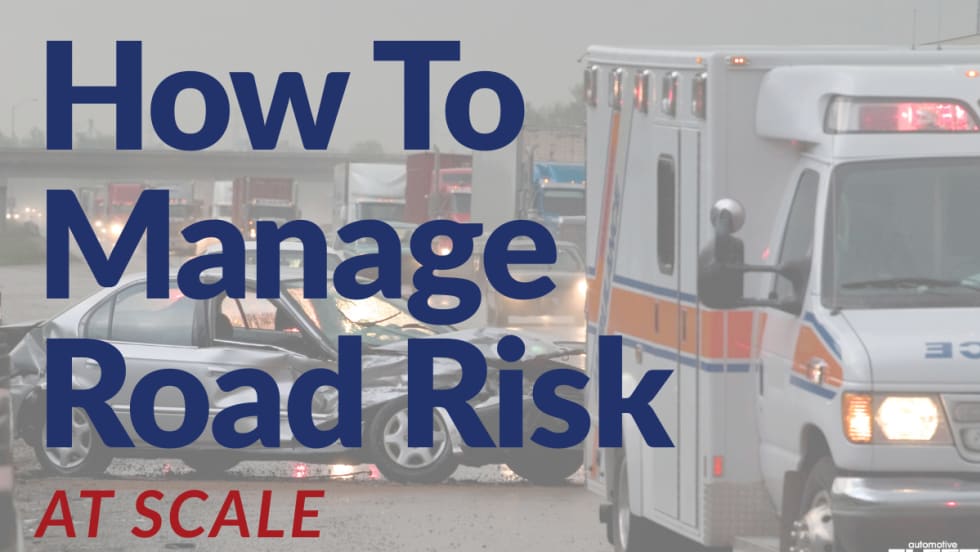
Managing Road Risk at Scale: Why Fleet Safety Needs a Data-Driven Framework
Insights from the FIA Road and Driver Safety Indexes reveal how to manage road risk on a larger scale.
Read More →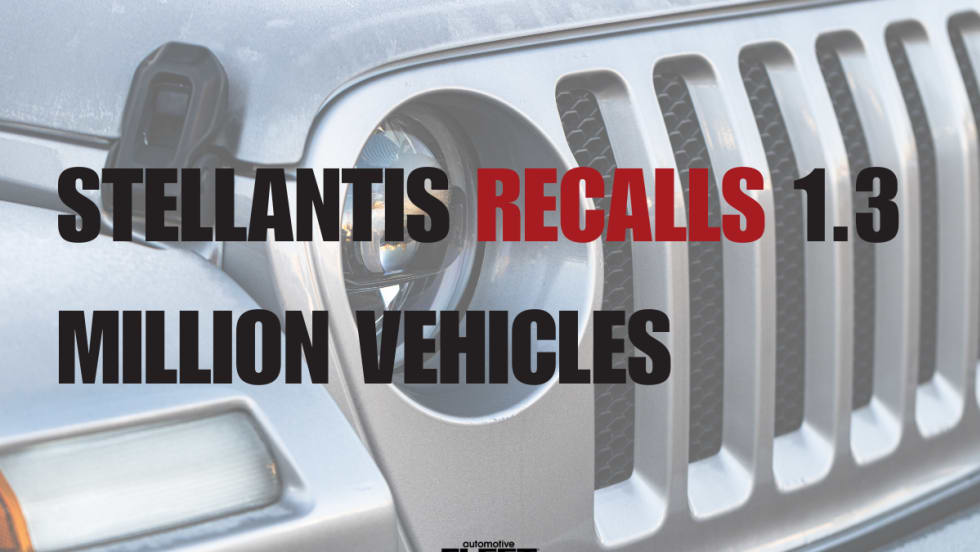
Stellantis Recalls 1.3 Million Jeep Vehicles Worldwide Over Fire Risk
Stellantis is recalling more than 1.3 million Jeep Wrangler and Gladiator models worldwide over a fire risk linked to power steering pump wiring.
Read More →