





More on Industry Angst: Buyer-Seller Trust Must be Restored, Fleet Managers Contend
Fleet-Manufacturer Relationships Sinking Says AFP
Fleets across the U.K. report issues such as late cancelled orders, lack of communication with major car and van makers, and suspicions that large fleets are often placed last when stock is allocated.
April 12, 2023

Fleet managers in the U.K. and North America find relationships with OEMs at a low ebb, citing among other complaints a lack of transparency and communication.
Photo: SHVETS Production
3 min to read
Relationships between fleets and motor manufacturers appear to be at an “all-time low”, says the Association of Fleet Professionals (AFP), a U.K.-based nonprofit supporting the corporate fleet industry.
The AFP findings echo similar sentiments and complaints in the North American fleet community Automotive Fleet Editor Mike Antich reported earlier this year.
AFP members across U.K. fleet industry are reporting issues such as late cancelled orders, lack of communication from representatives from major car and van makers, and a suspicion that large fleets are often being placed last when stock is allocated.
Getting Worse Not Better
“There’s a general perception that this issue is getting worse rather than better,” commented Paul Hollick, AFP chair. “Everyone knows and understands that there are ongoing production issues affecting almost every manufacturer, but no-one can comprehend why this has seemingly caused a complete breakdown in responsibility and communication.
According to Hollick, the difficulties with placing orders, connecting with the right OEM contact, and orders being pulled without explanations “seem to be consistent for almost every manufacturer across all of our fleets.
“We are hearing regular stories from across our membership about orders for dozens or even hundreds of cars and vans being cancelled more than a year after they were first made and within weeks of when they were due,” Hollick explained. “This leaves fleets high and dry. It’s having a direct impact on businesses that need transport and, on a personal basis, potentially damages the perception of the fleet manager within their business.”
With such high degrees of ill feeling, some in the fleet industry talk of organizing manufacturer boycotts, said Hollick.
“As an organization, we don’t think any form of boycott would be an effective strategy but the fact that such an idea is being raised just shows the strength of feeling,” he stated.
Offending OEMs Won’t be ‘Easily Forgiven’
Hollick said fleets have repeatedly promised that when supply issues return to some kind of normality, “the worst-offending manufacturers will not be easily forgiven and our members will not work with them in the future where a choice exists.”
A further point of contention, Hollick said, was manufacturers appeared to be giving priority to retail customers and small fleets over large scale vehicle buyers of vehicles.
“Especially for certain types of more fashionable vehicle, it seems that it is easier to get hold of supply if you a private individual or if you run 10 vehicles rather than if you run a thousand,” he pointed out. “This is something that makes no sense whatsoever – especially at a time when fleets are often paying something very close to retail prices.
“It’s a common complaint that before the pandemic, fleet managers were pursued by manufacturer reps on a daily basis and now, they haven’t heard from any in years. That’s not a basis for responsible, long-term partnerships. Manufacturers should realize the damage they are doing and change their approach as quickly as possible.”
Hearing much the same unhappy criticisms from North American fleet managers, Antich said he believed the market difficulties will ultimately be resolved, but a “collective solution” is required “to keep the buyer-seller relationship strong.” He encouraged fleet industry leaders to “to grab the baton and take the collective lead” to rebuild manufacturer-fleet relationships and help them grow stronger in the future.
More Global Fleet
GeoFencing Adds to Your Truck Security Arsenal
Geofencing is a familiar fleet tool today, but its early adoption marked a major shift in vehicle tracking, route monitoring, and the debate over employee privacy.
Read More →
Holman Takes Full Ownership of ARIZA in Mexico
Holman is bringing its Mexican fleet management operation fully under its own brand after more than 30 years as a joint venture. The change gives multinational fleet customers a single Holman operation across the U.S., Canada, and Mexico.
Read More →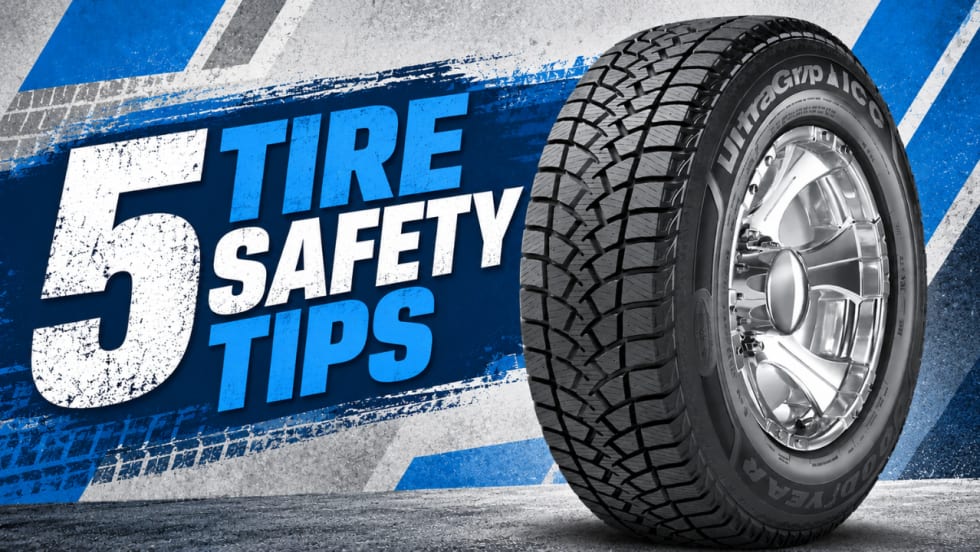
5 Tire Maintenance Tips to Help Prevent Work Truck Downtime
Regular tire checks can do more than extend tread life. These five maintenance practices can help work truck fleets catch problems early, reduce costs, and prevent downtime.
Read More →

Proven Ways to Reduce Work Truck Downtime
The age-old problem of downtime will always be a reality, but with new strategies at hand, fleets have more ways to keep trucks on the road longer.
Read More →


Cameras, Safety and Insurance: From Reactive Claims to Real-Time Prevention (Part 2 of 2)
Part Two: Commercial auto remains one of the most challenging and costly lines of coverage for fleet operators and insurers alike. Continue learning more about how to effectively address these issues from Onur Aksan, Enterprise Business Development Executive, Geotab
Read More →
Cameras, Safety and Insurance: From Reactive Claims to Real-time Prevention
Commercial auto remains one of the most challenging and costly lines of coverage for fleet operators and insurers alike. Learn more about how to effectively address these issues from Onur Aksan, Enterprise Business Development Executive, Geotab.
Read More →
Fleet Costs Are Rising: Here’s How Leaders Are Responding
Fleet leaders are under pressure to reduce costs, adapt to economic uncertainty, and make smarter decisions. See how peers across North America are responding with real data, proven strategies, and forward-looking insights. Download the 2026 Market Pulse Report to benchmark your strategy and uncover where you can gain an edge.
Read More →
Enterprise Fleet Management Surpasses 900,000 Vehicles in U.S. & Canada
Enterprise Mobility connects with mobility solutions around the globe
Read More →