




Fleet Embraces Minnesota's Biodiesel Mandate
Minnesota began requiring all diesel fuel in the state to contain 10% biodiesel on July 1, becoming the first state to mandate sales of the B-10 blend.
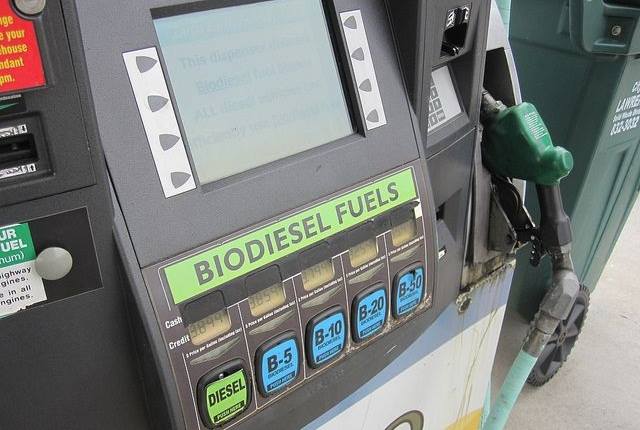
Photo via flickr/United Soybean Board.
Minnesota began requiring all diesel fuel in the state to contain 10% biodiesel on July 1, becoming the first state to mandate sales of the B-10 blend.
The state is dialing down the requirement during winter months, when fueling stations sell diesel with 5% of biodiesel. Previously, the state required diesel fuel to contain at least 5% biodiesel and 2% during the winter.
One of the fleets affected by this change, the state's Department of Natural Resources, isn't worried about the mandate. Dave Schiller, fleet, safety and materials handler, manages approximately 600 on-road diesel vehicles and about the same number of off-road vehicles.
"We've been experimenting with B-20 and other blends for some years and like the added lubricity from the bio portion," Schiller said. "We also like that there is no degrade in fuel economy."
When biodiesel made its debut in Minnesota nearly a decade ago, poor-quality fuel led to clogged fuel filters, angry drivers, and emergency waivers of the new law. However, the biodiesel industry says the quality problem has long been solved, and Schiller agrees.
"The quality of the biodiesel component has really improved with the ASTM specification, and we don't anticipate problems from going to a B-10 blend," he said. "We don't expect any performance or maintenance issues with this change, but we will watch our filters more closely for a while."
Schiller expects the biodiesel mandate to help the fleet financially in the long run. While biodiesel prices fluctuate and will continue to do so, he said this past spring, the biofuel has been cheaper than diesel.
Originally, state lawmakers wanted all diesel fuel to contain 10% biodiesel by 2012 and 20% by 2015, but inadequate blending infrastructure pushed back the deadline. A B-20 mandate is still on the books for 2018.
U.S. biodiesel is most often made from soybean oil, and Minnesota ranks third in soybean production in the nation. According to the Minnesota Department of Agriculture, the state has three biodiesel plants with a combined production capacity of approximately 63 million gallons.
Sixteen other states now have mandates or tax incentives to blend biodiesel with petroleum-based diesel, according to the National Biodiesel Board. Illinois offers a tax break to blend biodiesel at 11% or more, but only Minnesota mandates that high of a blend.
More Green Fleet
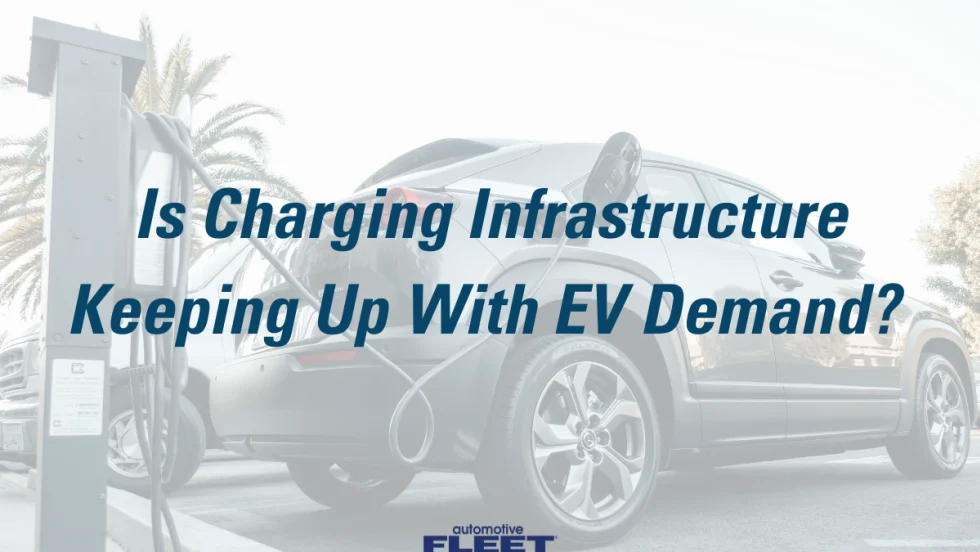
EV Charging Use Is Outpacing Infrastructure Growth
ChargePoint’s 2026 Charging Forward Report points to rising charger use, higher-powered charging, commercial vehicle electrification, and energy-management technology. Here’s what fleets should know.
Read More →
Merchants Fleet Reports 290M EV Miles as Fleets Navigate Changing Electrification Market
From millions in operating savings to hundreds of millions of EV miles, Merchants Fleet’s latest report reveals what’s working and what’s changing in fleet electrification.
Read More →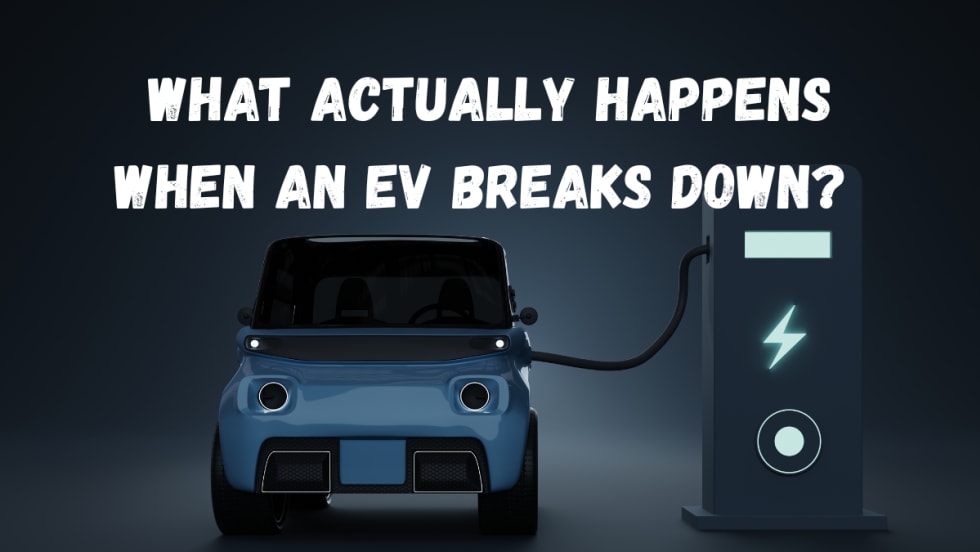
The EV Breakdown Nobody's Talking About: Why Most Electric Vehicle Roadside Calls Aren't Mechanical Failures
Here's why EV breakdowns are widely misunderstood.
Read More →
ChargePoint Now Available in Energy Pass
ChargePoint and additional planned charging network integrations were added to GM's Energy Pass.
Read More →

First Look: Slate Auto's Electric Fleet Pickup
Could an affordable, modular EV pickup make electrification more practical for fleets?
Read More →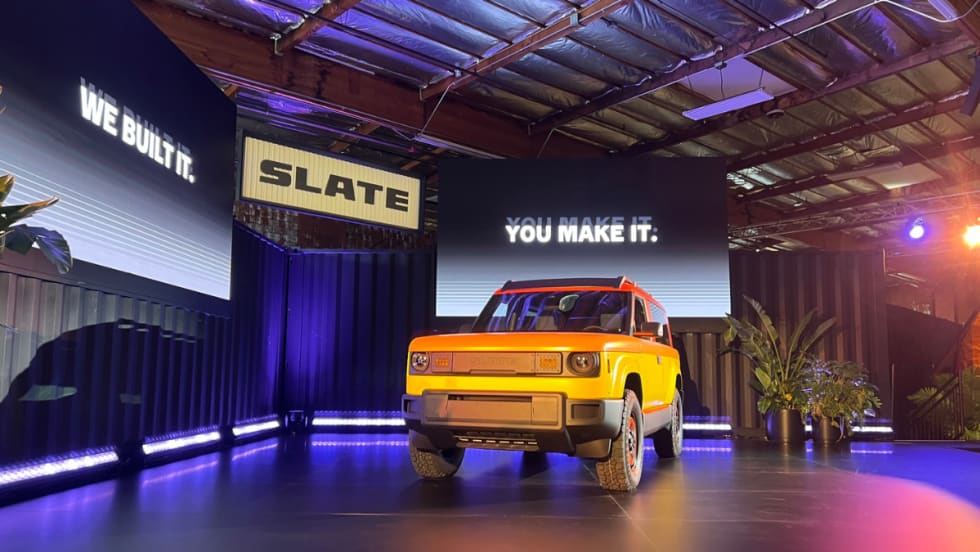
Slate Debuts Colorful, Unique EV Models
A recent media and client event, studded with electric vehicles dressed up on platforms, planted a new position for the manufacturer in the wider EV market. Fleets will find cost-saving advantages.
Read More →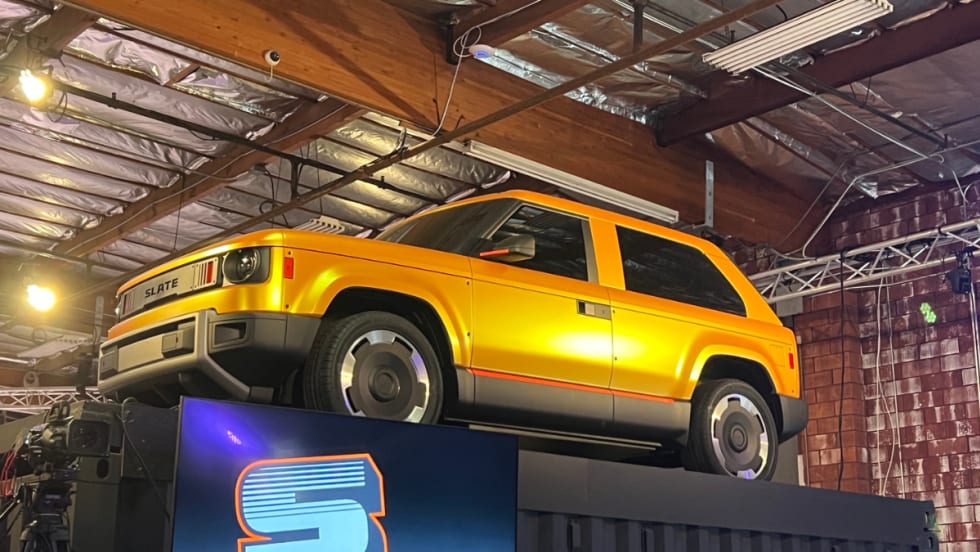
Slate Electric SUV, Pickup Switchable Model Aims For Light-Duty Fleets
Everything about this EV is counterintuitive and understated, making it stand out from the crowd.
Read More →
Inspiration Mobility Acquires Key Electrada Assets
Inspiration Mobility Group has acquired select assets of Electrada, adding the fleet electrification provider's team, technology, and charging infrastructure development capabilities to its energy management business.
Read More →
Turning Connected Vehicle Data Into Decisions That Matter
Fleet leaders have more data than ever, but turning that data into clear, actionable decisions remains a challenge. This white paper shows how leading organizations are using connected vehicle data to improve safety, reduce costs, and optimize fleet performance. Learn how to turn insight into action across your fleet.
Read More →