




Fewer Take-Home Vehicles for Denver Officers
A budget-cutting agreement between Denver Mayor Wellington Webb and Police Chief Gerry Whitman will slash by about 14 percent the number of city cars police officers can take home.

A budget-cutting agreement between Denver Mayor Wellington Webb and Police Chief Gerry Whitman will slash by about 14 percent the number of city cars police officers can take home. An executive order to be signed will keep those vehicles within 25 miles of where an officer works and will impose other restrictions, Webb said. But City Councilman Ed Thomas, a former police officer, said that isn't enough. He wants the Police Department to abandon plans to buy 23 "luxury" sport utility vehicles, which he said will cost $670,000. He also proposed that take-home cars for all city employees be cut by 50 percent. "There are 569 take-home vehicles in those agencies, and if you cut them in half, just the gas alone would save about $1 million a year," said Thomas. He said he would give up his city car, a 1996 Honda, on May 31. "If we sold off half the fleet as used cars, reduced the fuel cost and the liability costs, we'd save in the neighborhood of some $4 million," he said. "That is far better than cutting police officers or firemen or not having the fire stations we need." The City Council's Public Safety Committee will meet to review policies on take-home police cars and other potential budget-cutting measures. Whitman said much of the 14-percent reduction in take-home police cars will result from the 25-mile restrictions. "That's a logical move, since taking those cars more than 25 miles away reduces their effectiveness in responding to emergencies anyway," Whitman said. He said he has identified the cars that would no longer be taken home, but has not notified officers. "We'll probably tighten it down pretty quickly after we get the executive order," he said, but it will take time to draft new policies based on that order. There is no estimate on how much will be saved. However, the chief disagreed with Thomas' insistence on not buying the new SUVs. "Those are replacements for vehicles we already have that have too many miles on them," Whitman said. "They are going primarily to the SWAT team, and they have to be large enough to hold all their gear." Thomas has criticized the number of cars officers take home but has drawn criticism for his city car. Council President Joyce Foster said she disagrees with Thomas. "He can do what he likes about his own city car, but I don't want us to micromanage the budget of the Police Department or of the other city managers," she said. "I have absolute confidence in Gerry Whitman to decide how to handle his budget cuts and still provide the police protection the city needs and my constituents want."
More Operations
The Top 300 Commercial Fleets
The Top 300 Commercial Fleets: See the List
Read More →
Your Local Dealer Knows More Than You Think
Your local dealer can provide an information advantage that extends well beyond courtesy deliveries.
Read More →

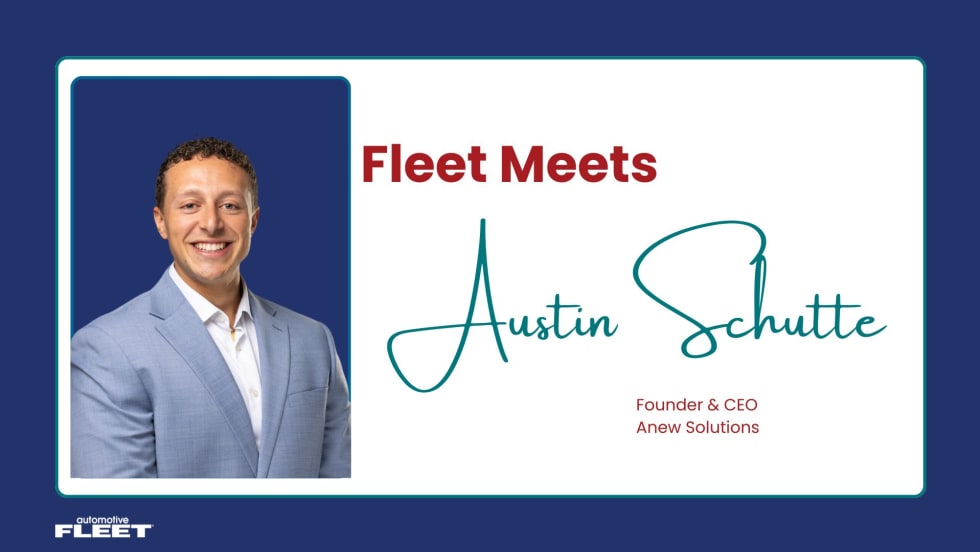
Fleet Meets: Austin Schutte
Here are some industry insights, personal touches, and words of advice from the CEO and Founder of Anew Solutions.
Read More →
Soap Box Derby Challenge: What’s Powering Team Brown
The car is coming together, the students are solving real build problems, and the fleet industry is helping push Team Brown toward the starting line.
Read More →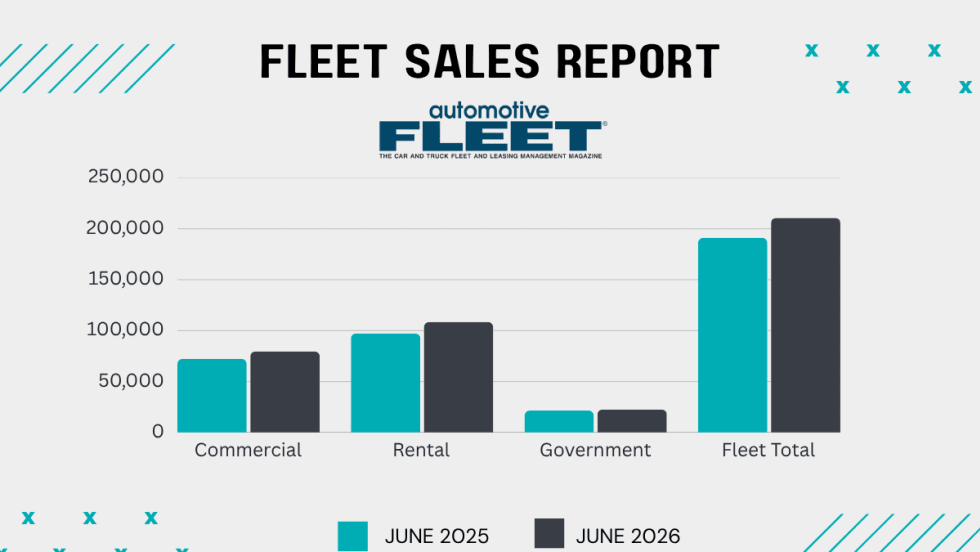
Commercial Fleet Sales Contribute To June, YTD Gains
The fleet sector has boosted its vehicle purchases at a reliable pace in the first half of this year compared with 1H 2025.
Read More →
What Fleet Managers Really Want From Vendors
From customer service frustrations and technology breakdowns to RFQs, change management, and the growing impact of turnover across the industry, this conversation pulls back the curtain on the real operational challenges fleet managers are navigating every day.
Read More →
Fleet Safety Masterclass: Industry Leaders on Storytelling, Strategy & Innovation
In this special masterclass episode, industry leaders break down what it really takes to build safer fleets in today’s increasingly distracted and data-driven world.
Read More →
Integrating Legacy Fleet Systems and Historical Data
In this episode, we bring together fleet and technology leaders to unpack the realities of data integration, system migrations, and the evolving role of AI in fleet management.
Read More →
From Resistance to Results: Change Management Strategies for Fleets
From new technologies and safety programs to evolving regulations, fleets are under constant pressure to adapt. But as Dr. Betz explains, success isn’t about the system you implement—it’s about whether your people actually use it.
Read More →