




Feds Ease Alt-Fuel Vehicle Purchasing Mandate
The U.S. Department of Energy has made it easier for state and utility fleets to comply with alt-fuel vehicle purchasing mandates by including hybrid vehicles, alt-fuel fueling infrastructure, alt-fuel non-road equipment, and emerging technologies.
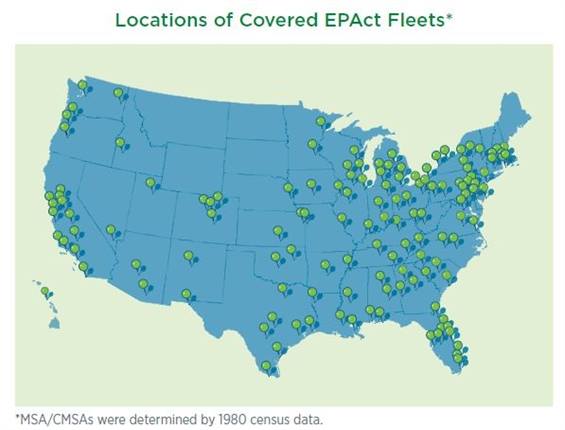
Photo via U.S. DOE.
The U.S. Department of Energy has made it easier for state and utility fleets to comply with alt-fuel vehicle purchasing mandates by including hybrid vehicles, alt-fuel fueling infrastructure, alt-fuel non-road equipment, and emerging technologies.
The changes go into effect April 21, the DOE announced.
Covered fleets must acquire alternative-fuel vehicles as a percentage of their annual light-duty vehicle acquisitions or reduce their petroleum consumption under the State and Alternative Fuel Provider Fleet Program of EPAct. The latest move should increase fleet compliance with EPAct regulations.
Under standard compliance, 75% of the new light-duty vehicles state fleets acquire each year must be AFVs; for alt-fuel providers (utilities), the requirement is 90%. Use of biodiesel can apply toward this requirement. Fleets can also reduce petroleum consumption in lieu of acquiring AFVs under the alternative compliance plan.
Battery-electric hybrids, plug-in hybrid electric vehicles (PHEVs), and fuel cell electric vehicles (FCEVs) now receive 0.5 credits per vehicle. Neighborhood electric vehicles will receive a 0.25-point credit. These vehicles were previously excluded.
For alt-fuel fueling infrastructure, fleets can now receive one credit for every $25,000 invested toward developing that infrastructure. Fleets can earn a maximum of five credits if the infrastructure is for private use and 10 credits if the infrastructure can be used by the public, with a 10-credit maximum.
Fleets investing in mobile alternative fuel non-road equipment can receive one credit per $25,000 invested, with a five-credit cap.
Finally, fleets can receive one credit per $25,000 invested in emerging technology, which is defined as specified pre-production vehicle types. Fleets must invest at least $50,000 to qualify (for a two-credit minimum), and there is a five-credit maximum.
Fleets can bank credits by acquiring AFVs prior to or in excess of requirements. They can save the credits for later use or sell credits to other covered fleets. Covered fleets currently hold about 70,000 banked credits, which covers about four years of operation of the program without purchasing any AFVs.
While the number of covered fleets fluctuates annually, the most current list covers 291 fleets. Two hundred eighty one are under standard compliance, while 10 are under alternative compliance.
More Green Fleet


First Look: Slate Auto's Electric Fleet Pickup
Could an affordable, modular EV pickup make electrification more practical for fleets?
Read More →
Slate Debuts Colorful, Unique EV Models
A recent media and client event, studded with electric vehicles dressed up on platforms, planted a new position for the manufacturer in the wider EV market. Fleets will find cost-saving advantages.
Read More →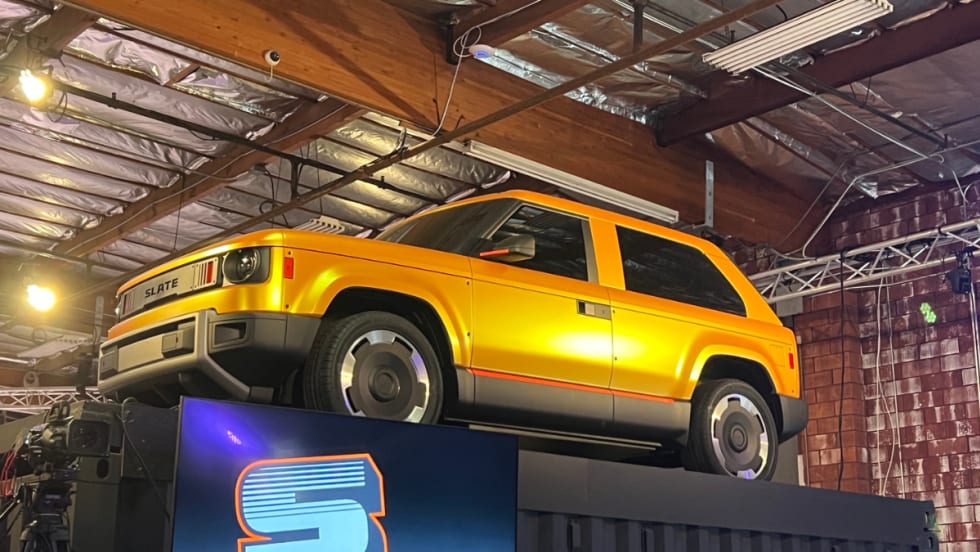
Slate Electric SUV, Pickup Switchable Model Aims For Light-Duty Fleets
Everything about this EV is counterintuitive and understated, making it stand out from the crowd.
Read More →
Inspiration Mobility Acquires Key Electrada Assets
Inspiration Mobility Group has acquired select assets of Electrada, adding the fleet electrification provider's team, technology, and charging infrastructure development capabilities to its energy management business.
Read More →
Turning Connected Vehicle Data Into Decisions That Matter
Fleet leaders have more data than ever, but turning that data into clear, actionable decisions remains a challenge. This white paper shows how leading organizations are using connected vehicle data to improve safety, reduce costs, and optimize fleet performance. Learn how to turn insight into action across your fleet.
Read More →
Are You Tracking Your Fleet's True Total Cost of Ownership?
Bobit Business Media surveyed 190 fleet professionals and found that while most fleets are tracking costs, fragmented systems and data gaps are keeping true TCO visibility out of reach. With rising pressure to control spend in an increasingly volatile environment, the gap between what fleets think they know and what the data actually shows is wider than you might expect. See how your peers are managing costs today and where the industry still has room to improve.
Read More →
Hybrids: Electrification Without the Challenges
For fleet managers, fuel is one of the biggest line items in the budget — and it's one hybrids can shrink without changing how your people work. Download the eBook to see the numbers, understand the technology, and get a step-by-step guide to making the switch.
Read More →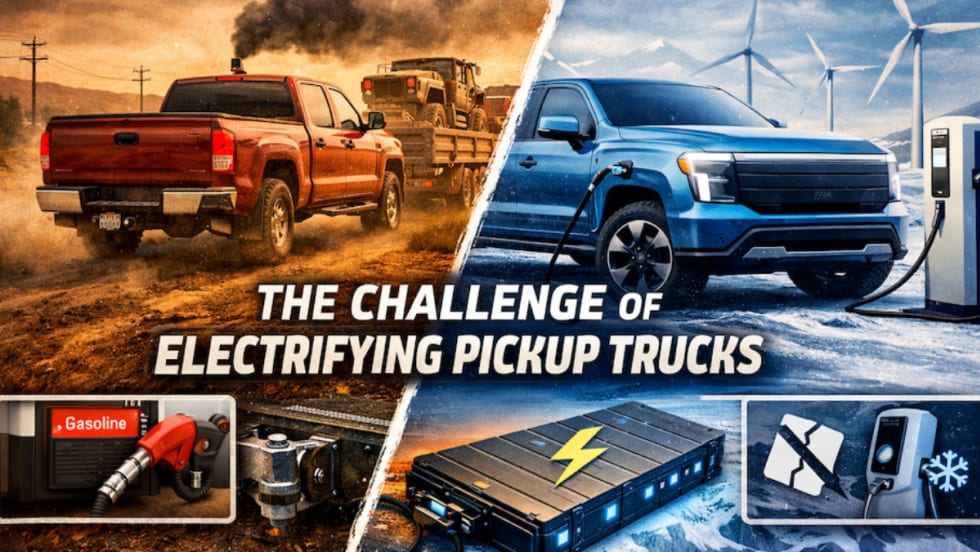
Why America’s Most Popular Vehicle is So Hard to Electrify
Turning America’s favorite workhorse electric means balancing range, payload, charging infrastructure, and price, an equation automakers are still trying to solve.
Read More →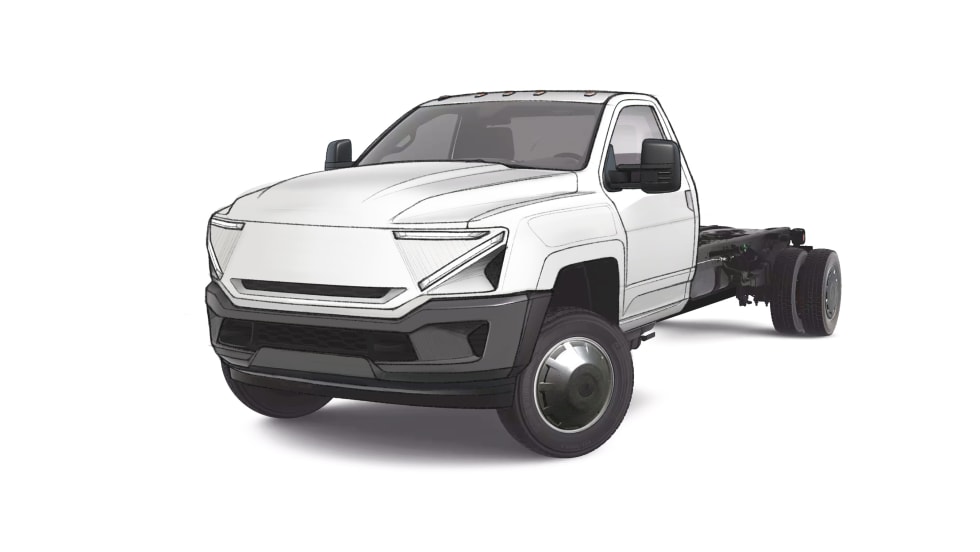
Startup ZMD Motors Developing Electric Conversion for Ram 5500 Work Trucks
Detroit-based company says it has begun early development of a system to convert internal combustion Ram 5500 chassis-cab trucks to electric power.
Read More →