




Feds Commit $7M Toward Hydrogen Vehicles
The U.S. Department of Energy has awarded $7 million to projects expected to advance the development of hydrogen fuel cell systems for variously sized vehicles.
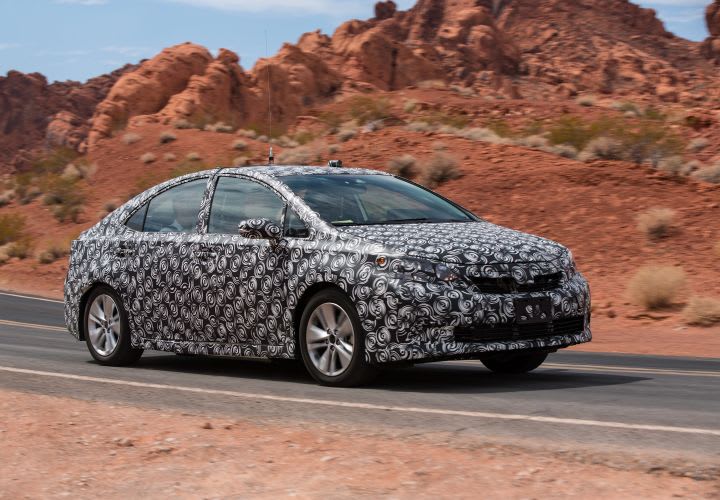
Toyota has been testing an engineering prototype of a fuel cell vehicle planned for the 2015 model year.
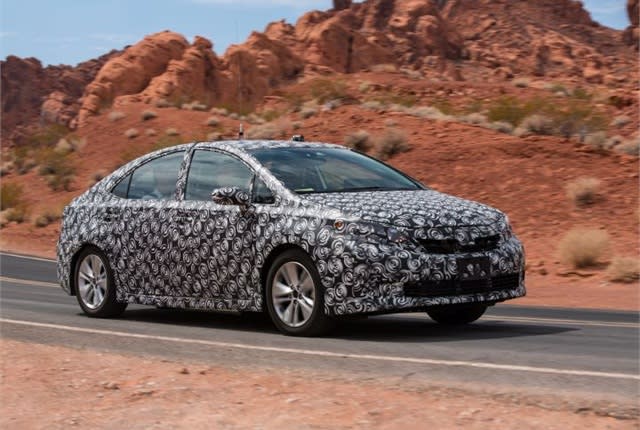
Toyota has been testing an engineering prototype of a fuel cell vehicle planned for the 2015 model year.
The U.S. Department of Energy has awarded $7 million to projects expected to advance the development of hydrogen fuel cell systems for variously sized vehicles.
The funds will go toward improving on-board hydrogen storage that will "be critical to the widespread commercialization of hydrogen and fuel cell technologies," according to a release.
The grants have been given as follows:
Materia of Pasadena, Calif. will receive $2 million to reduce the cost of compressed hydrogen storage systems. The project will demonstrate a novel resin system that reduces the use of expensive carbon fiber composites for high pressure storage tanks.
PPG Industries of Greensboro, N.C., will receive $1.2 million to demonstrate a novel high strength glass fiber that is stronger than the carbon fibers used today at half of the cost.
Sandia National Laboratories of Livermore, Calif., will receive $1.2 million to systematically screen low cost alternative materials for use in hydrogen storage systems.
Lawrence Livermore National Laboratory of Livermore, Calif., will receive $1.2 million to develop a reversible, high-capacity storage material that can bond to and release hydrogen in a vehicle, reducing the amount of hydrogen that needs to be pumped in the tank.
Ardica of San Francisco, Calif., will receive $1.2 million to transition and scale-up a low-cost production process for the production of aluminum hydride, a potential high-capacity hydrogen storage material.
HRL Laboratories of Malibu, Calif., will receive $1 million to develop high capacity reversible hydrogen storage materials that have properties needed for practical hydrogen storage applications.
The Department of Energy produced a primer about how fuel cell technology works. View that video here.
More Green Fleet
EV Charging Use Is Outpacing Infrastructure Growth
ChargePoint’s 2026 Charging Forward Report points to rising charger use, higher-powered charging, commercial vehicle electrification, and energy-management technology. Here’s what fleets should know.
Read More →
Merchants Fleet Reports 290M EV Miles as Fleets Navigate Changing Electrification Market
From millions in operating savings to hundreds of millions of EV miles, Merchants Fleet’s latest report reveals what’s working and what’s changing in fleet electrification.
Read More →
The EV Breakdown Nobody's Talking About: Why Most Electric Vehicle Roadside Calls Aren't Mechanical Failures
Here's why EV breakdowns are widely misunderstood.
Read More →
ChargePoint Now Available in Energy Pass
ChargePoint and additional planned charging network integrations were added to GM's Energy Pass.
Read More →

First Look: Slate Auto's Electric Fleet Pickup
Could an affordable, modular EV pickup make electrification more practical for fleets?
Read More →
Slate Debuts Colorful, Unique EV Models
A recent media and client event, studded with electric vehicles dressed up on platforms, planted a new position for the manufacturer in the wider EV market. Fleets will find cost-saving advantages.
Read More →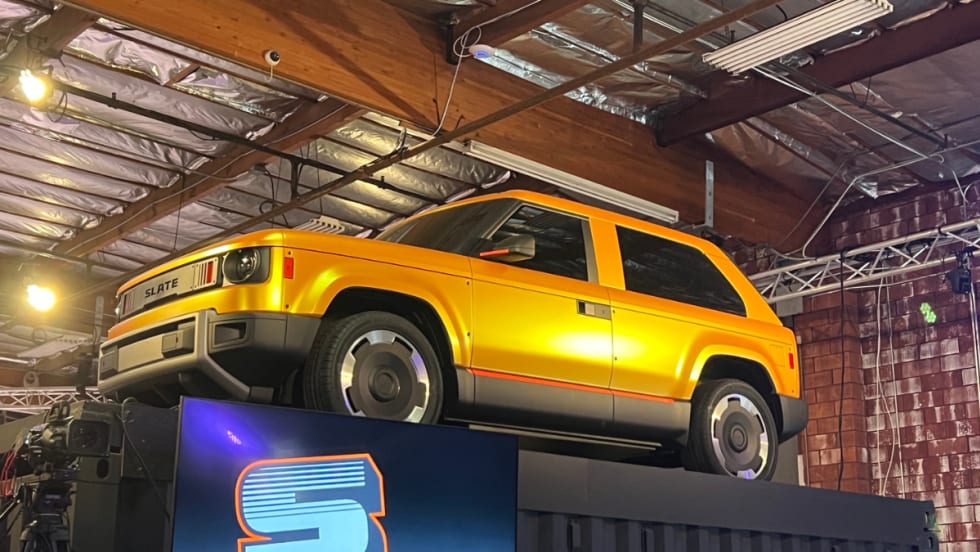
Slate Electric SUV, Pickup Switchable Model Aims For Light-Duty Fleets
Everything about this EV is counterintuitive and understated, making it stand out from the crowd.
Read More →
Inspiration Mobility Acquires Key Electrada Assets
Inspiration Mobility Group has acquired select assets of Electrada, adding the fleet electrification provider's team, technology, and charging infrastructure development capabilities to its energy management business.
Read More →
Turning Connected Vehicle Data Into Decisions That Matter
Fleet leaders have more data than ever, but turning that data into clear, actionable decisions remains a challenge. This white paper shows how leading organizations are using connected vehicle data to improve safety, reduce costs, and optimize fleet performance. Learn how to turn insight into action across your fleet.
Read More →